Key facts: Smoke Odor Removal in Powderhorn
How smoke smell climbs a Powderhorn house
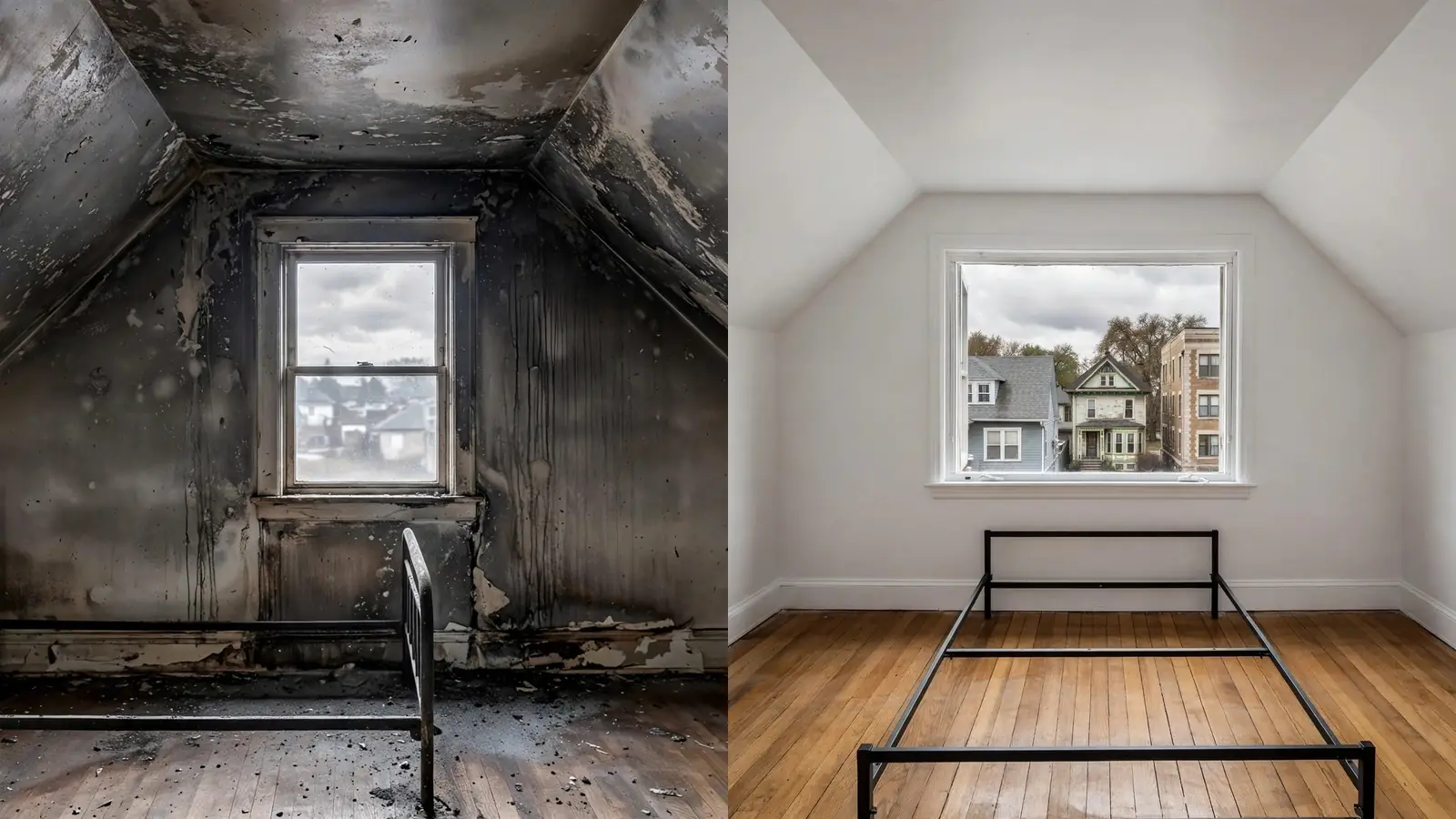
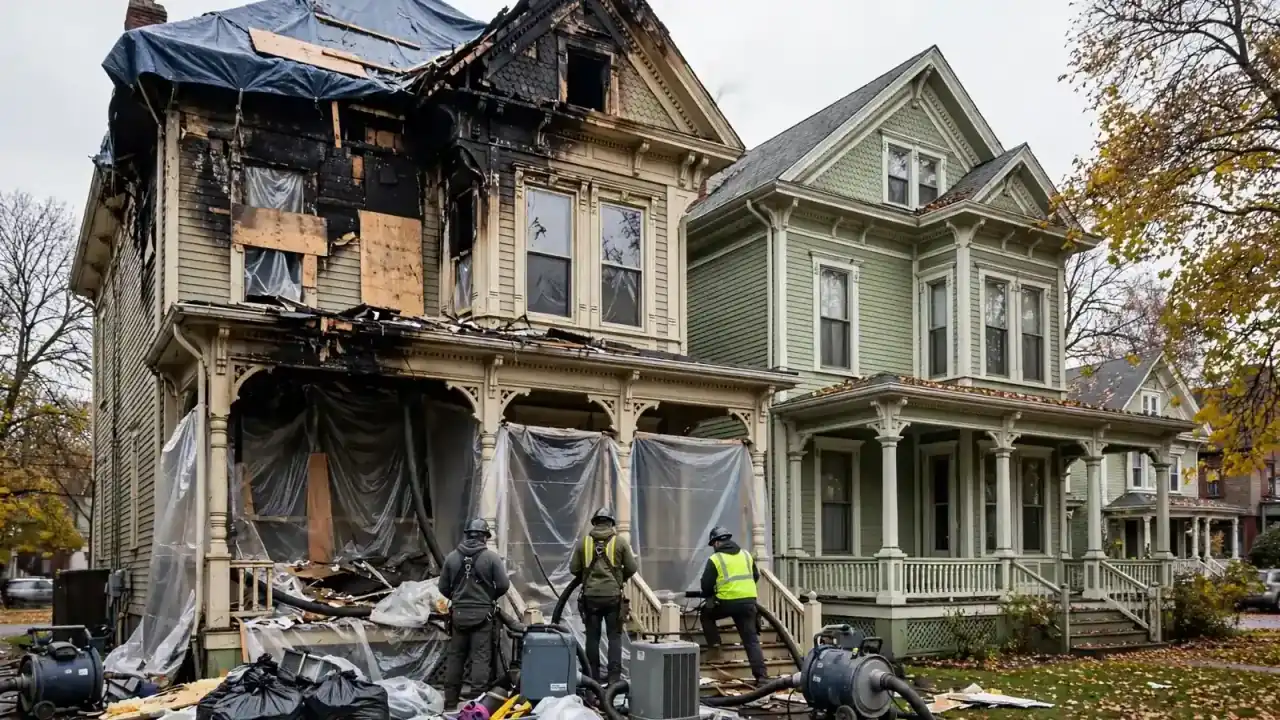
Powderhorn's tall houses have a main staircase, often with an open landing, linking the main floor to the second floor and the attic. During a fire, hot smoke rushes up that stairway and fills the top of the house first. The upper rooms usually smell worse than the room where the fire started, and the attic smells worst of all.
Plaster walls, wood trim, hardwood floors and old attic insulation all absorb odor. As they warm on sunny days or when the heat runs, they release it again. Lasting results come from cleaning or removing these materials at the source.
Attic rooms and eave storage
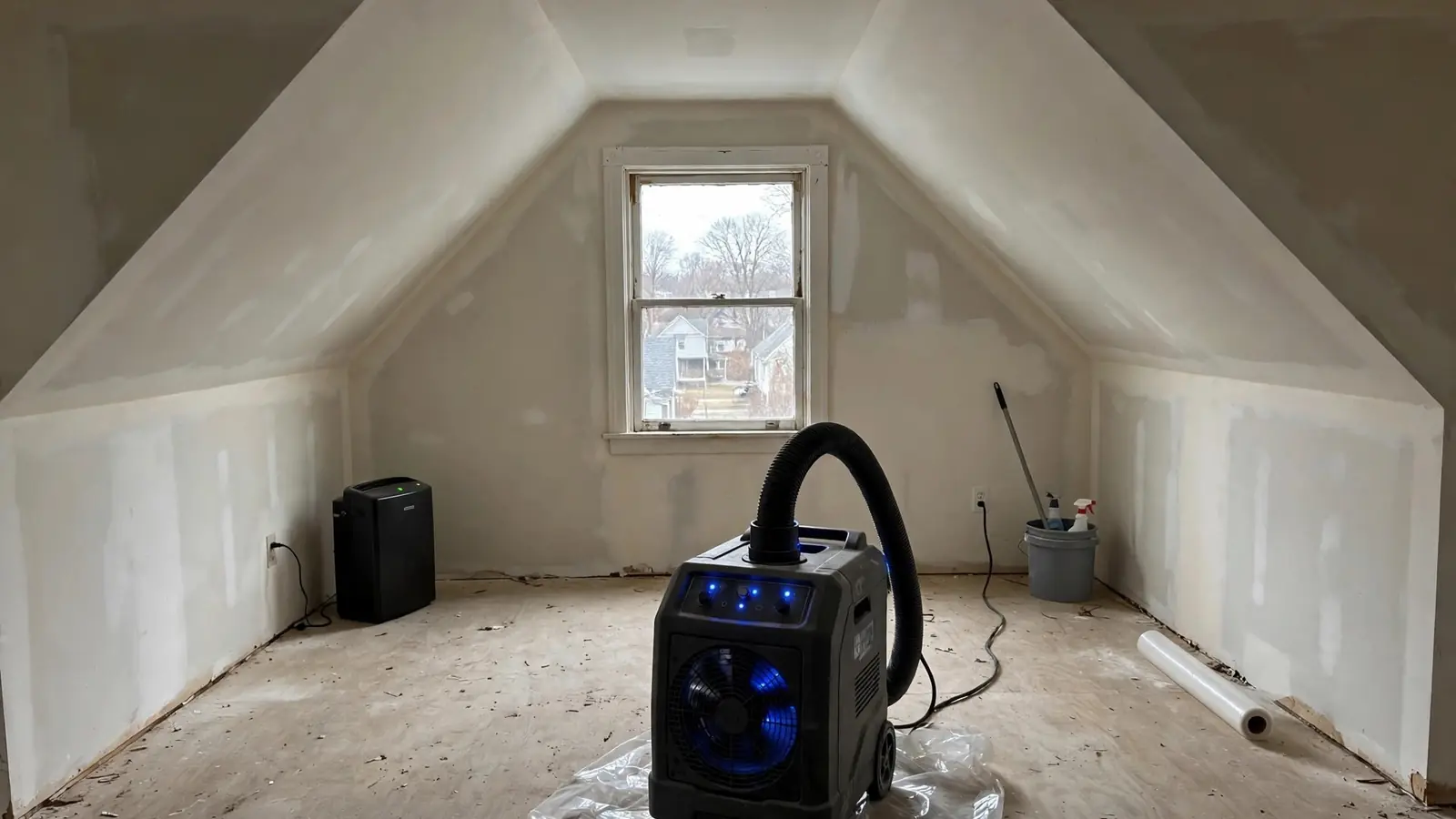
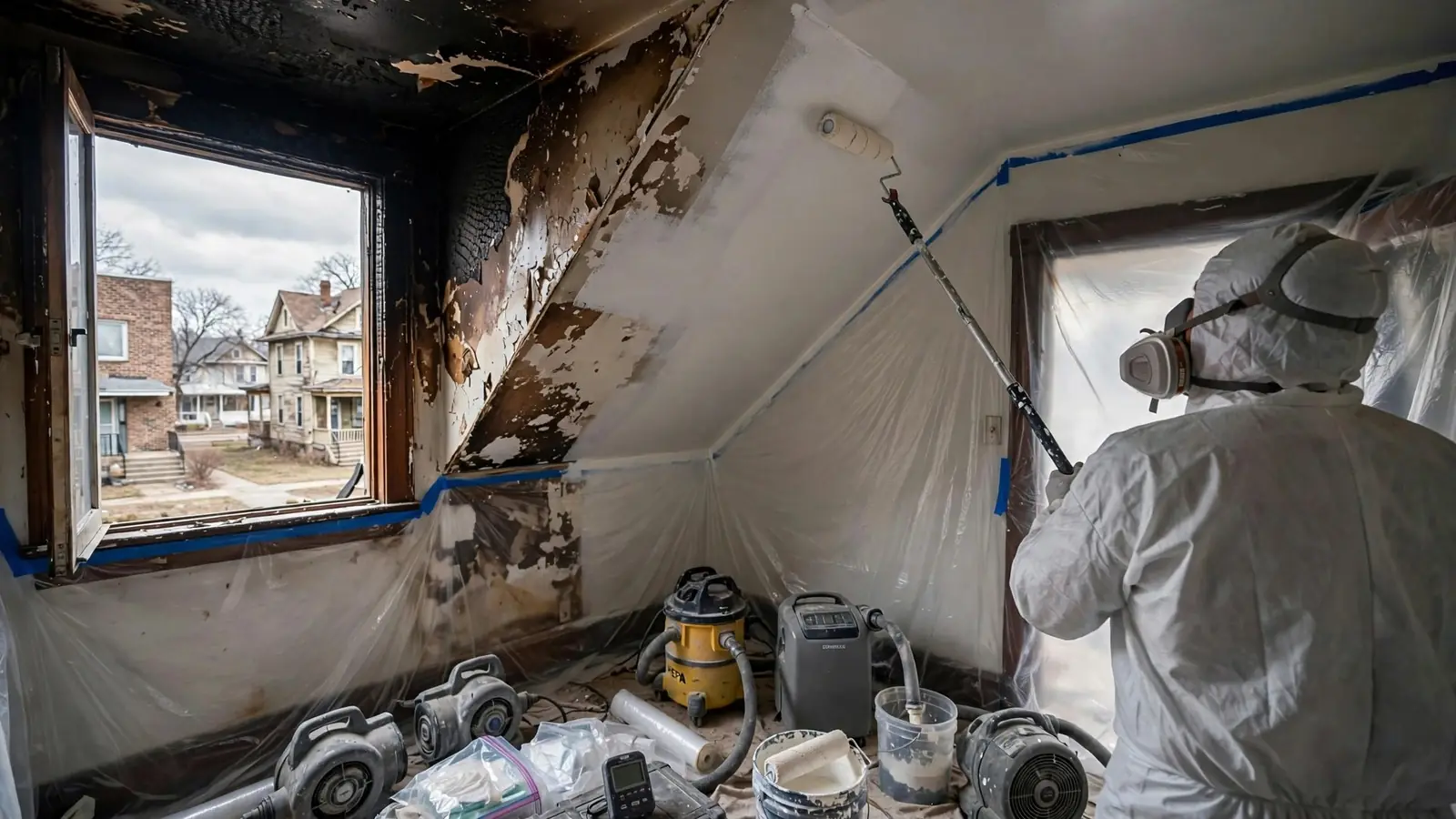
Many Powderhorn houses have a finished or partly finished attic with rooms under the roof and storage in the eaves. These spaces take the heaviest smoke. Boxes, old clothes, furniture and insulation stored there soak up the smell.
Each eave space is emptied, insulation that took on smoke is removed after testing for asbestos [6], and roof boards and rafters are cleaned and sealed. Our guide to smoke odor that won't go away explains why these spaces are so important.
Removing smoke odor from a Powderhorn home
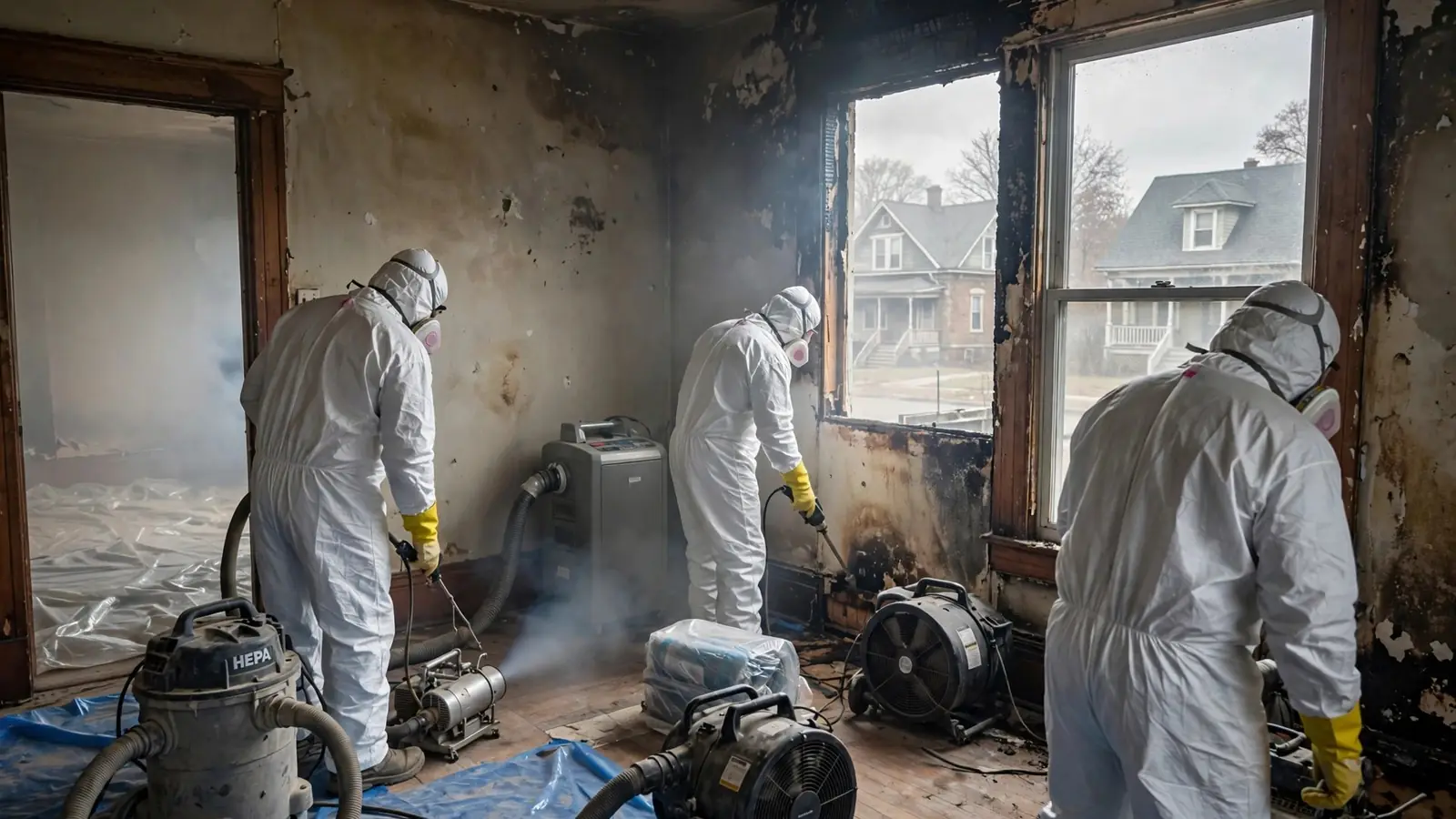
Working from the attic of a tall house to its basement.
- 1
Map the odor in the Powderhorn house
Check the attic, upper floors, stairway, basement and porch.
- 2
Remove materials that hold smell
Bag old insulation and soft goods that will not clean.
- 3
Clean from the attic down
Ceilings, walls, trim, floors and radiators are cleaned.
- 4
Seal and deodorize the empty house
Seal wood and plaster, then treat and air the house.
Radiators and old heating systems
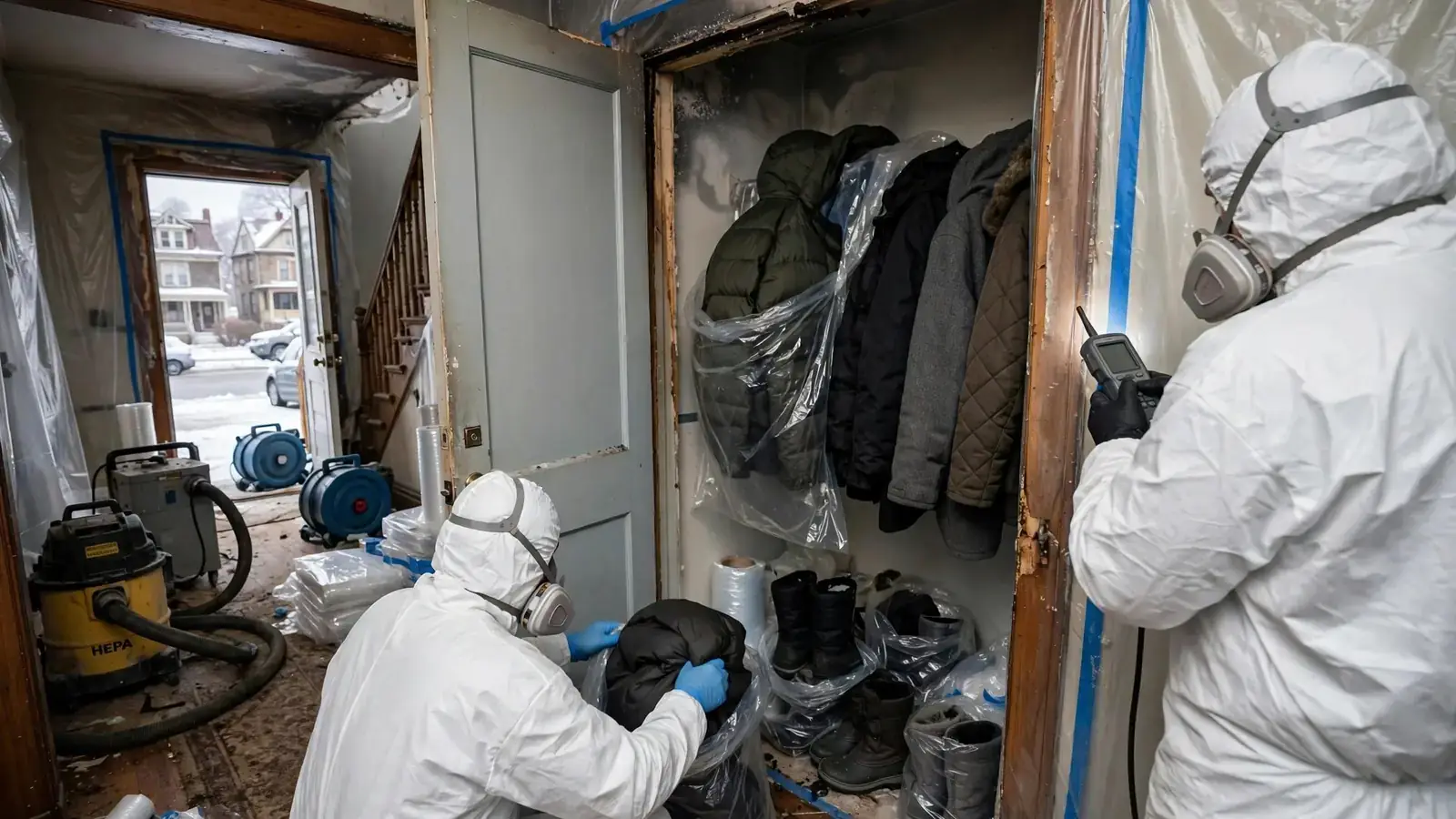
Many Powderhorn houses heat with radiators fed by a boiler, while others were converted to forced air. Radiators collect soot that releases smell every time they warm. Ducts in converted houses carry residue to every room.
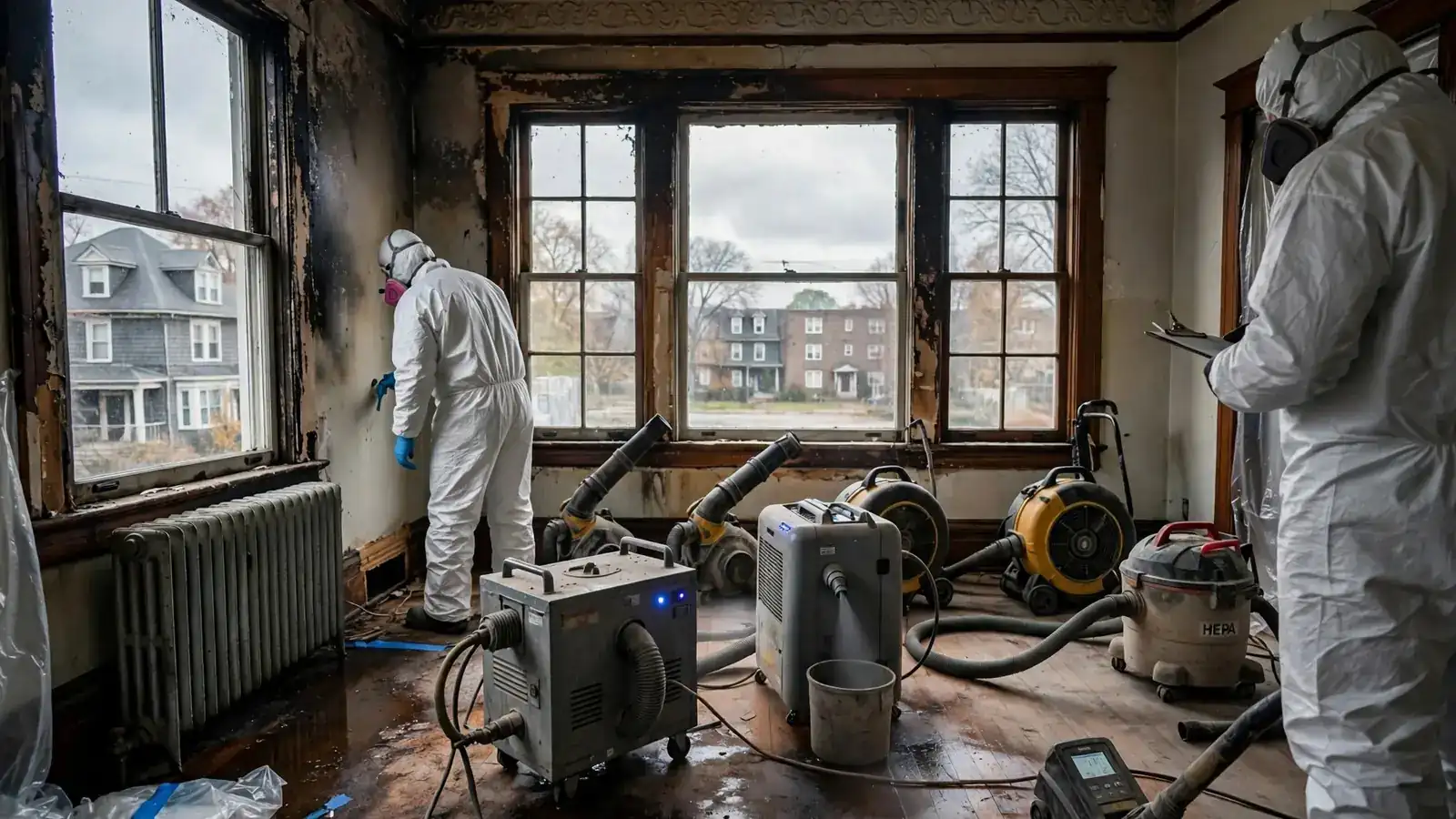
Radiators are cleaned, often removed from the wall to reach the fins. Ducts and the furnace are cleaned, and filters are changed several times after restart. A heating contractor checks the system before use.
Duplexes, walk-ups and Lake Street apartments
Smoke in one unit of a duplex or walk-up drifts into shared stairs and other units. In mixed-use buildings on Lake Street, a fire in a shop below can send smoke into the apartments above. Every affected space needs cleaning and deodorizing.
The building owner handles common areas and building systems. Residents and business owners handle their own belongings and spaces through their own insurance. Agreeing on access and timing early helps.
Front porches and smell at the door
Enclosed porches are often where firefighters enter, and they take smoke and soot on ceilings, walls and windows. A smoky porch greets you every time you come home. It is cleaned along with the house and sealed before painting.
Porch furniture, rugs and cushions usually smell strongly after a fire. Some can be cleaned; others are better replaced.
Fresh air in winter
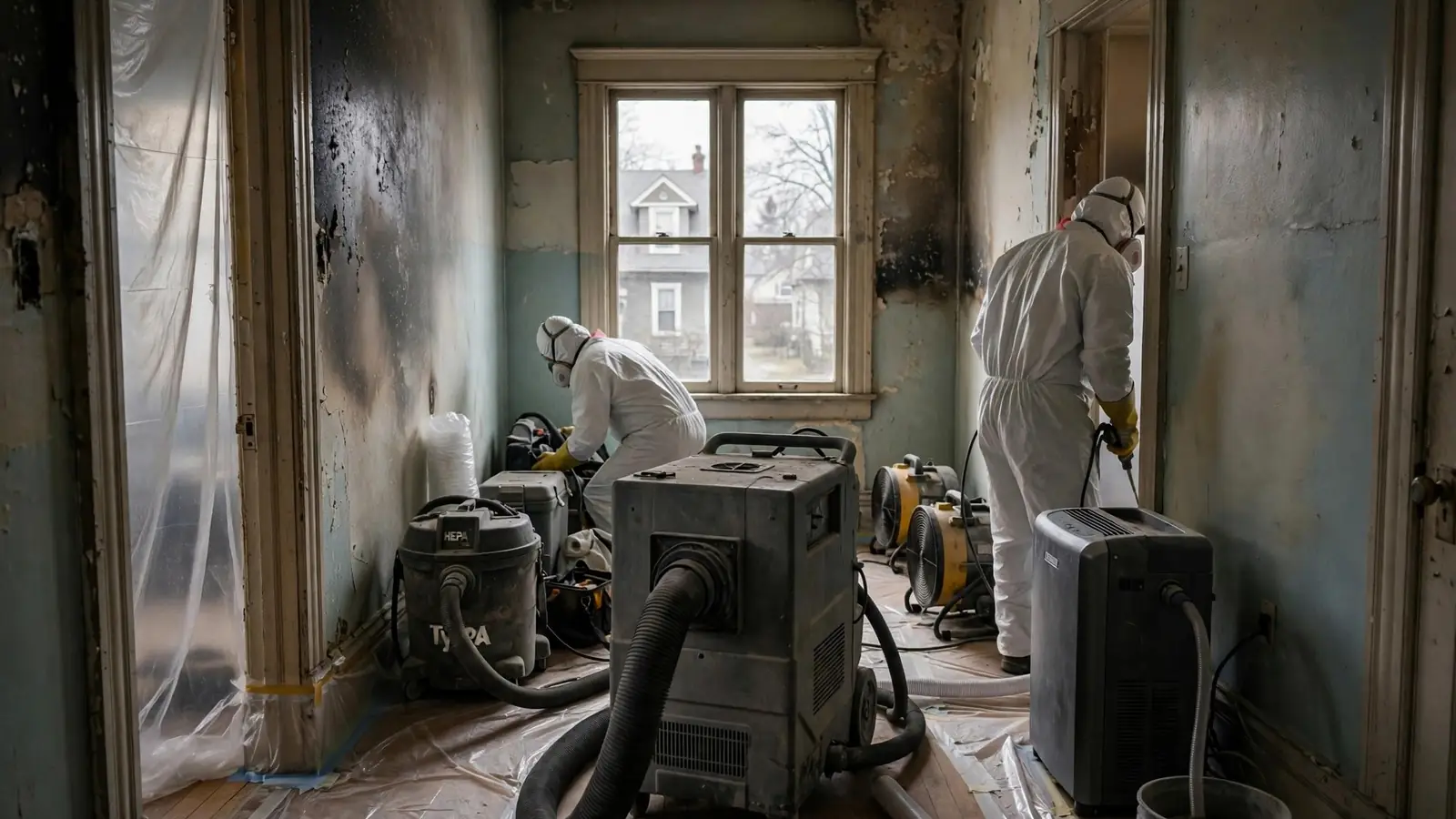
Airing out a house helps clear odor, but Minnesota winters make long ventilation hard. Air scrubbers with HEPA and carbon filters clean indoor air while windows stay shut. On milder days, short bursts of fresh air help.
Ozone and similar treatments are used only when the building is empty. The EPA warns ozone can harm the lungs [3].
Basements and musty smells
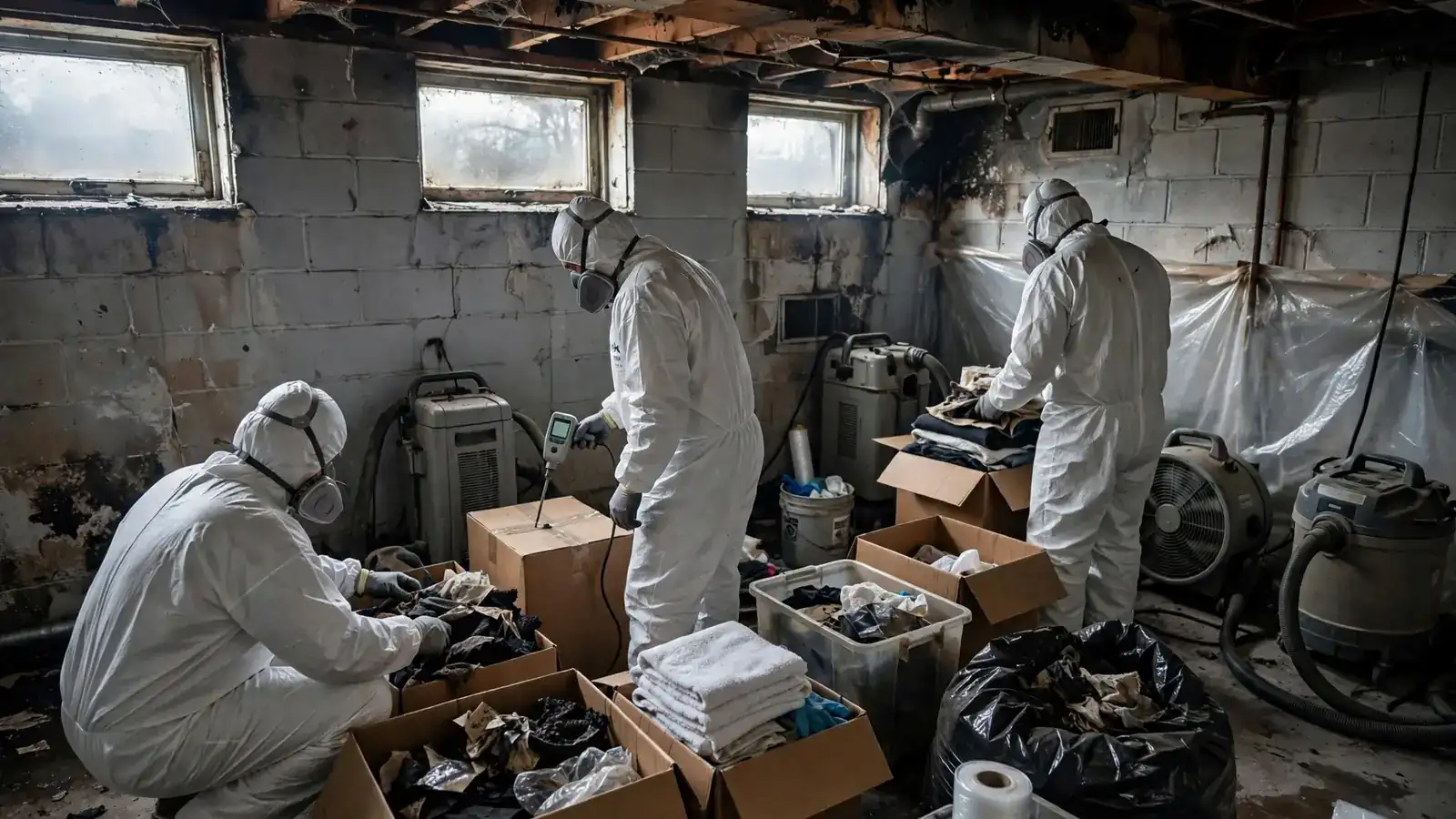
Water from a fire upstairs eventually reaches the basement. A musty smell can join the smoke odor if the basement stays damp. The Minnesota Department of Health says moisture should be controlled quickly to prevent mold [4].
The basement is dried before anything is sealed. Mention any earlier moisture problems to the contractor.
Keeping a paper trail of Powderhorn odor treatment
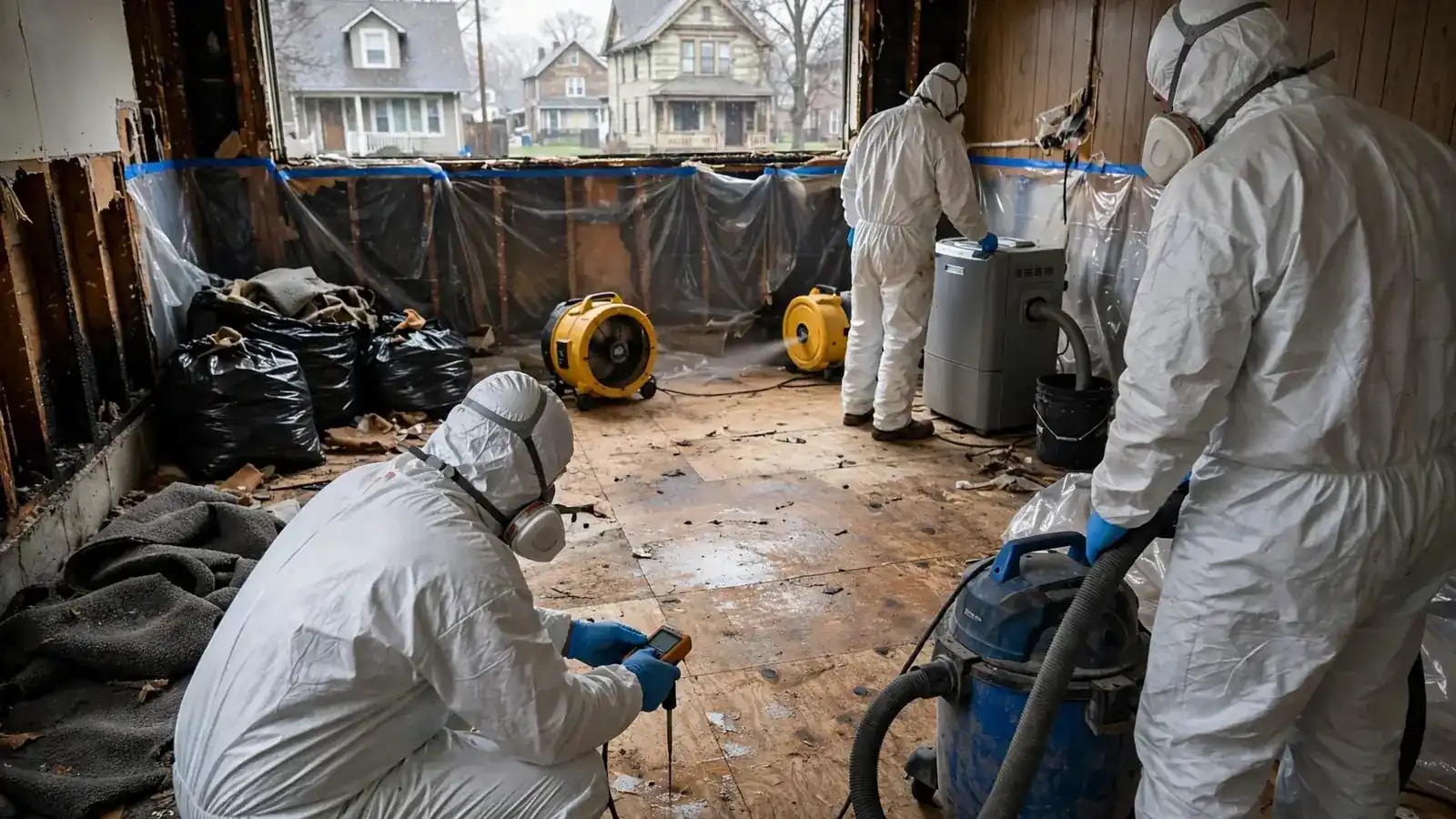
Ask for a list of what was removed, cleaned, sealed and treated. Photos of attic rooms, eave spaces and radiators before and after help explain the work. The Minnesota Department of Commerce encourages policyholders to keep records [5].
The Powderhorn area page has more about these buildings. If the smell returns, ask the contractor to come back.
FAQ
Smoke Odor Removal in Powderhorn: questions
Why does the attic of my Powderhorn house smell worst?
Smoke rises up the stairway and collects at the top of the house. Attic rooms and eave storage trap it.
Can smoke smell spread to my apartment from a shop on Lake Street?
Yes. Smoke from a business below can reach apartments above through shared floors and stairs.
Will my radiators need cleaning after a fire?
Usually. Their fins trap soot, and the smell returns when they heat up.
Sources and citations
- [1]U.S. Fire Administration: After a fire
- [2]IICRC: S700 Standard for Professional Fire and Smoke Damage Restoration
- [3]U.S. EPA: Ozone generators that are sold as air cleaners
- [4]Minnesota Department of Health: Mold and moisture in homes
- [5]Minnesota Department of Commerce: Disaster Information Center
- [6]U.S. EPA: Protect your family from exposures to asbestos
- [7]Wikipedia: Powderhorn Park, Minneapolis