
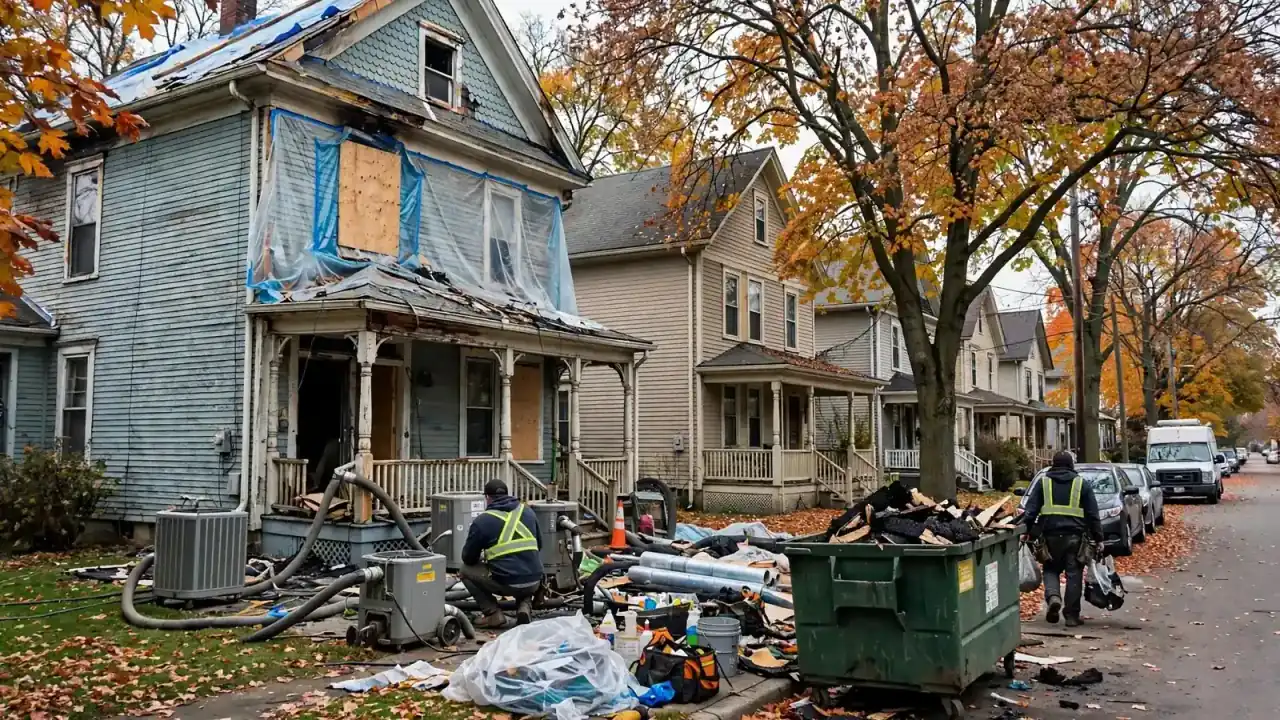
Service areas
Fire damage restoration near meMinneapolis neighborhoods we cover
From mill-era Northeast to lakeside Kenwood, Minneapolis neighborhoods have very different houses. These pages explain what changes about a fire restoration in each one. Every page lists the ZIP codes it covers and the public sources behind it.
All service areas
 Service area
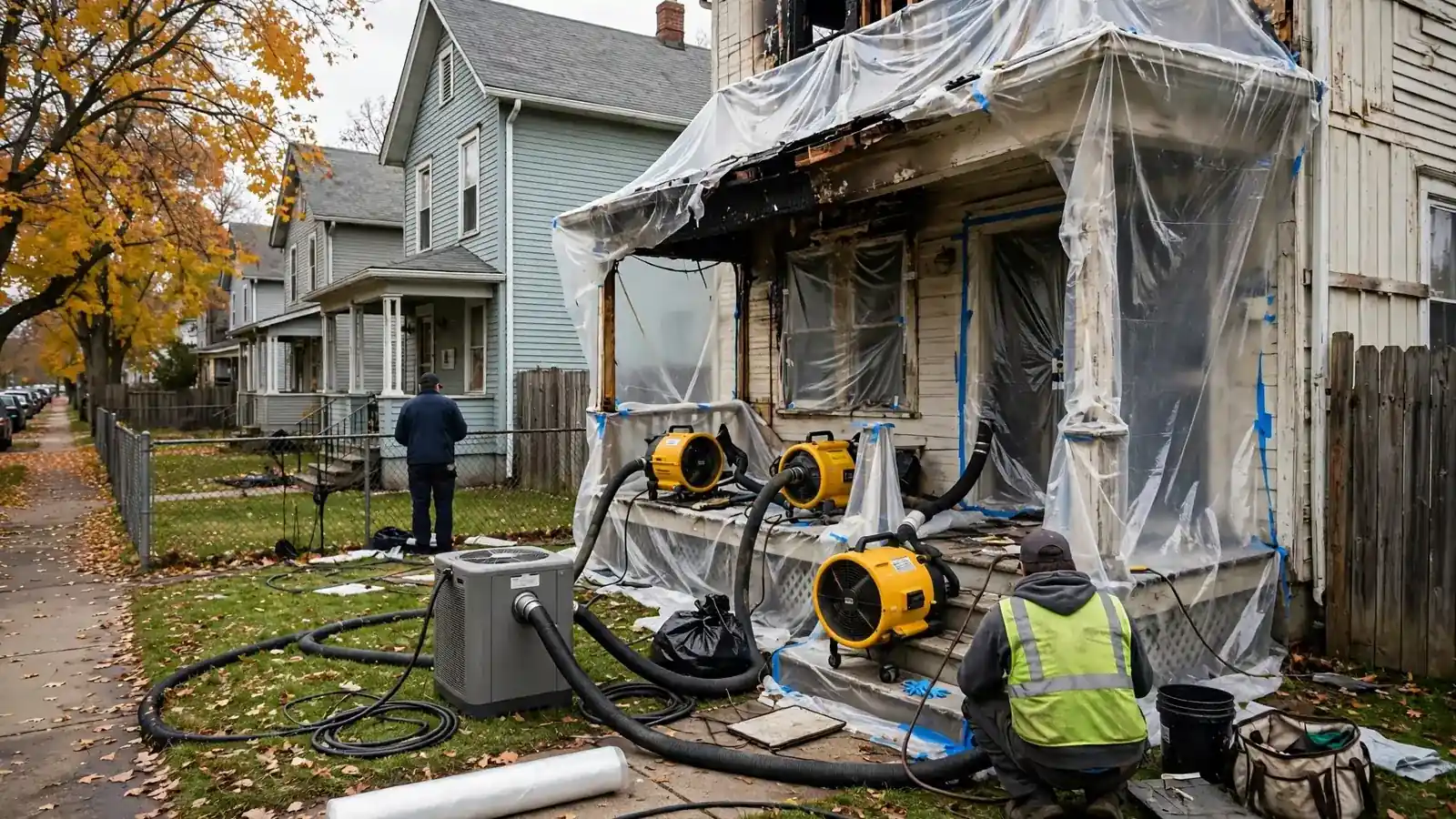
Camden
North Minneapolis homes along the Mississippi: modest single-family houses, basements, older heating and detached garages.
Learn more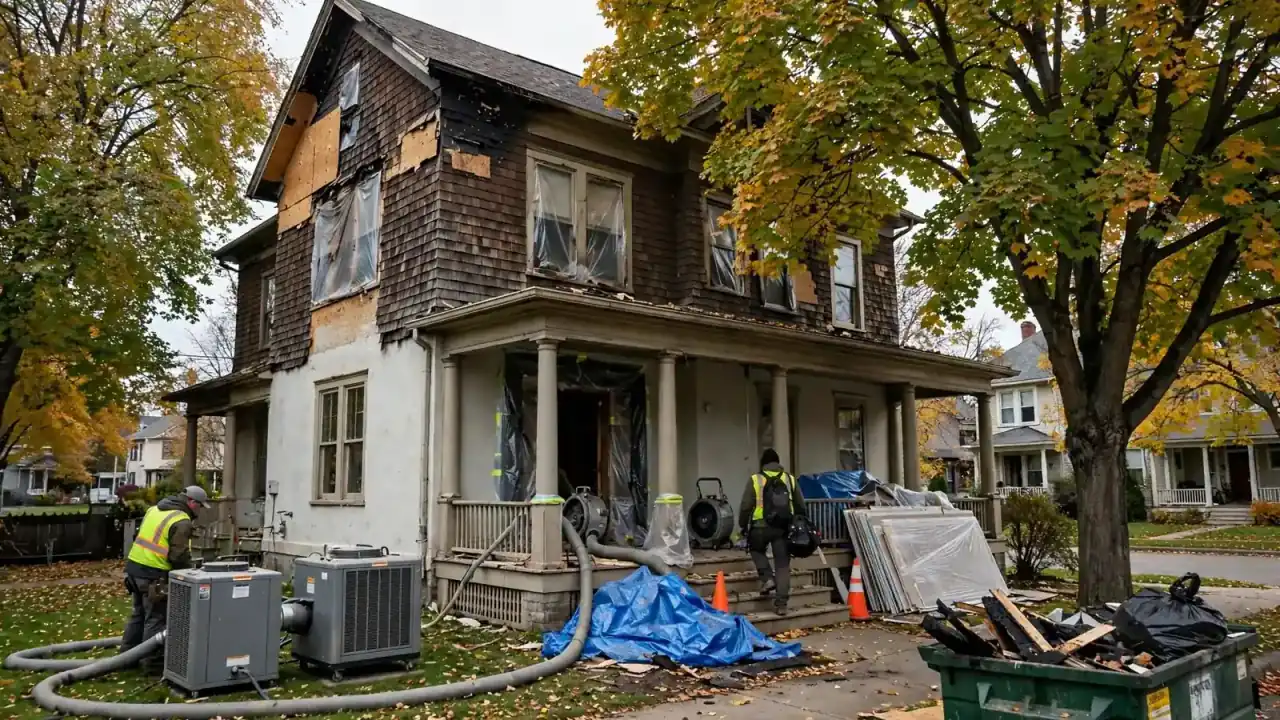 Service area
Kenwood
Large historic houses between Lake of the Isles and Cedar Lake: multiple floors, fine woodwork, plaster detail and valuable contents.
Learn more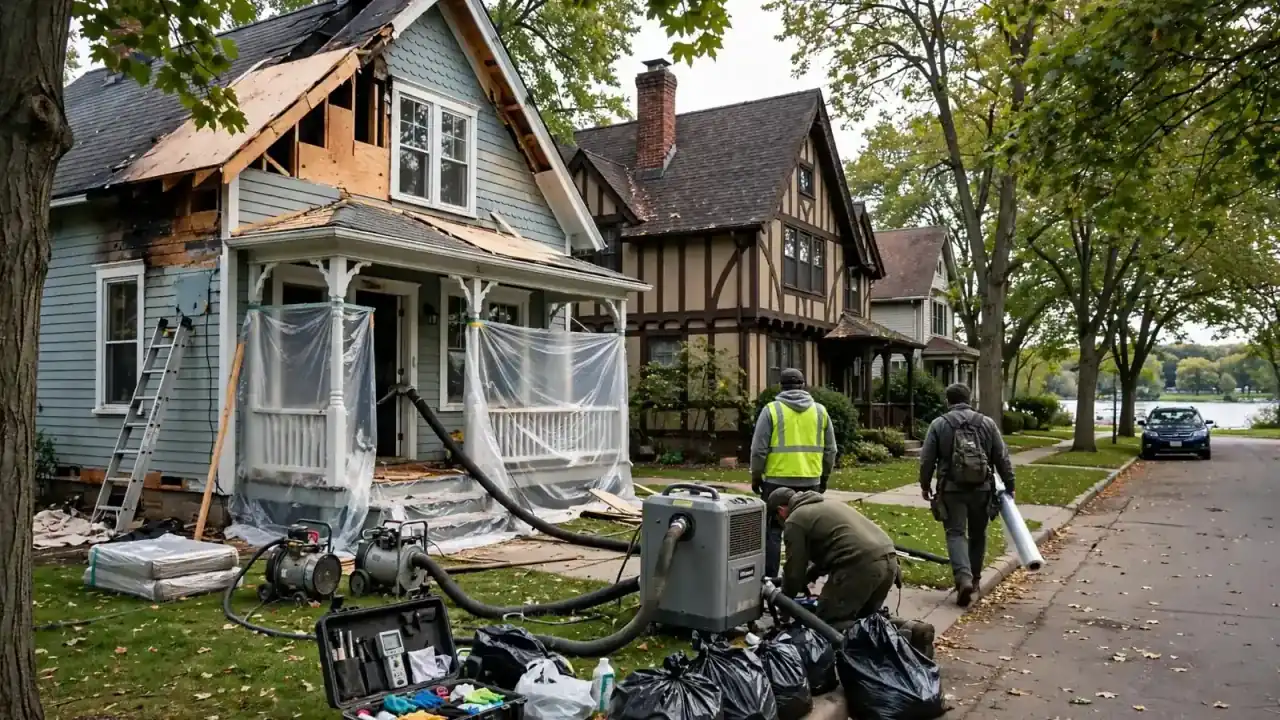 Service area
Linden Hills
Streetcar-era cottages, Tudors and colonials above Lake Harriet, mixed with rebuilds: tight lots, finished basements and old trees.
Learn more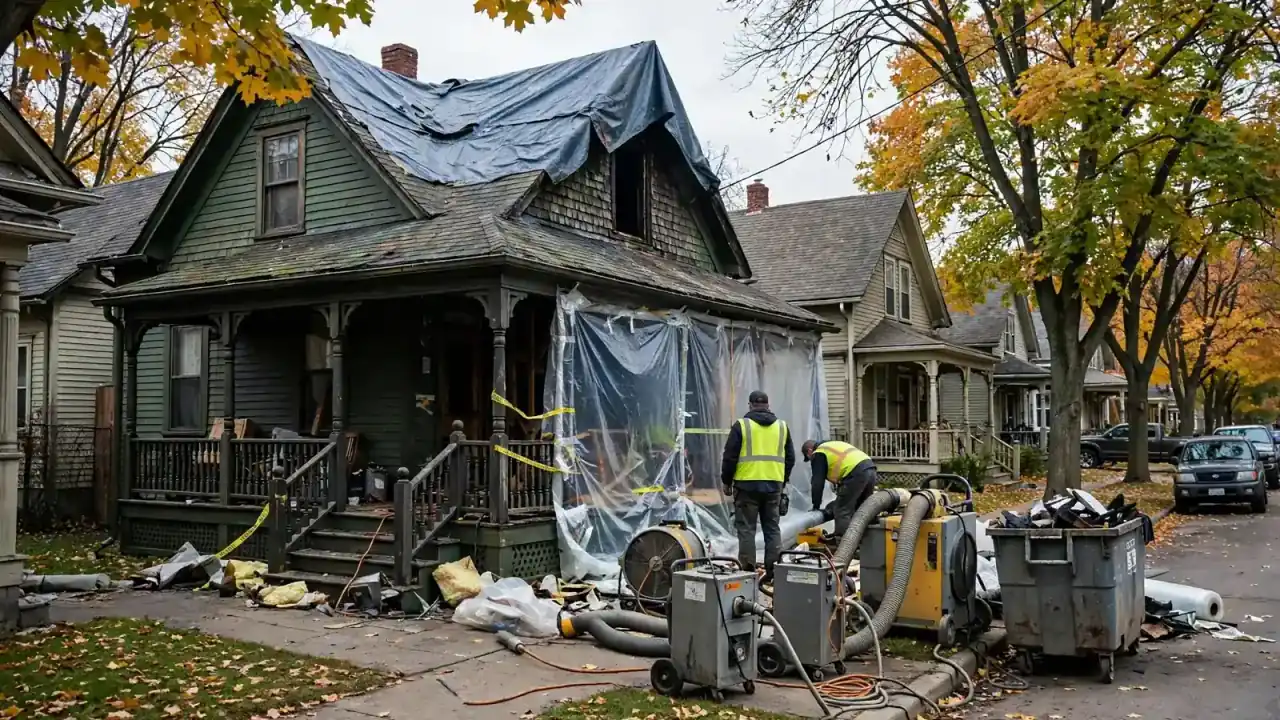 Service area
Longfellow
1906 to 1920s bungalows and catalog homes between Hiawatha and the river: story-and-a-half layouts, knee walls and basements.
Learn more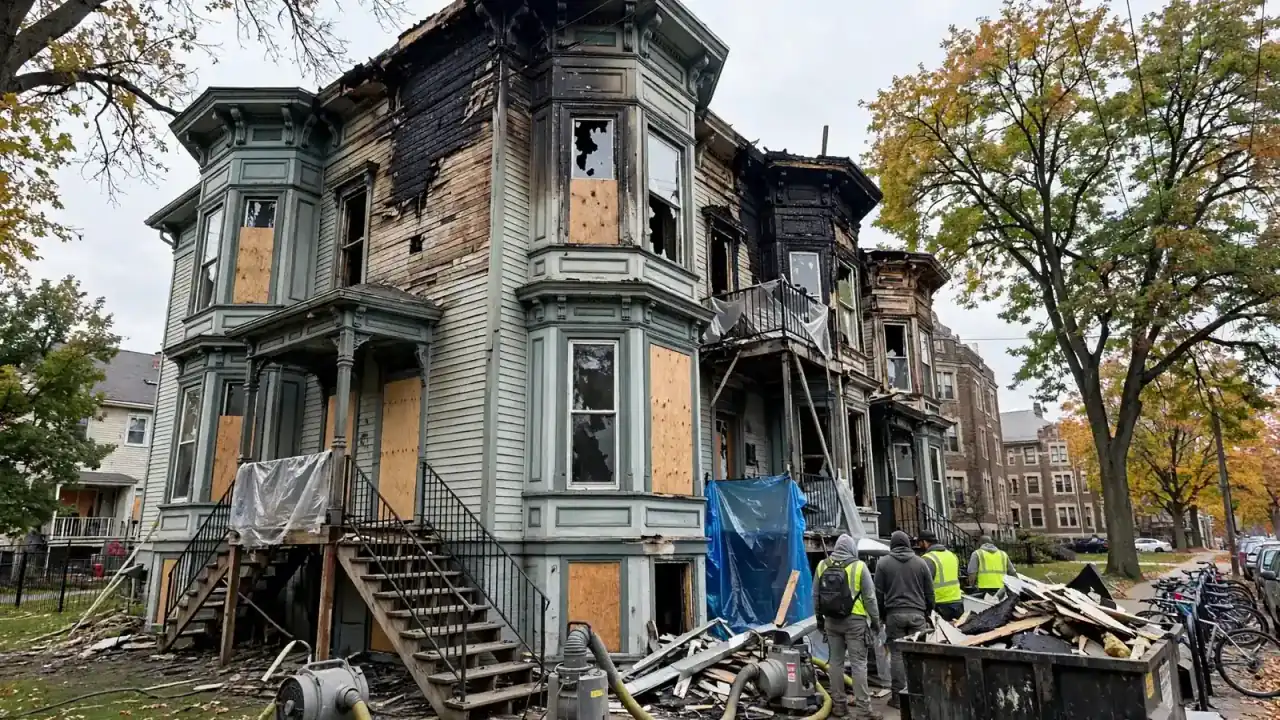 Service area
Marcy-Holmes
One of the city's earliest neighborhoods next to the University of Minnesota: old houses split into rentals, historic districts and student housing.
Learn more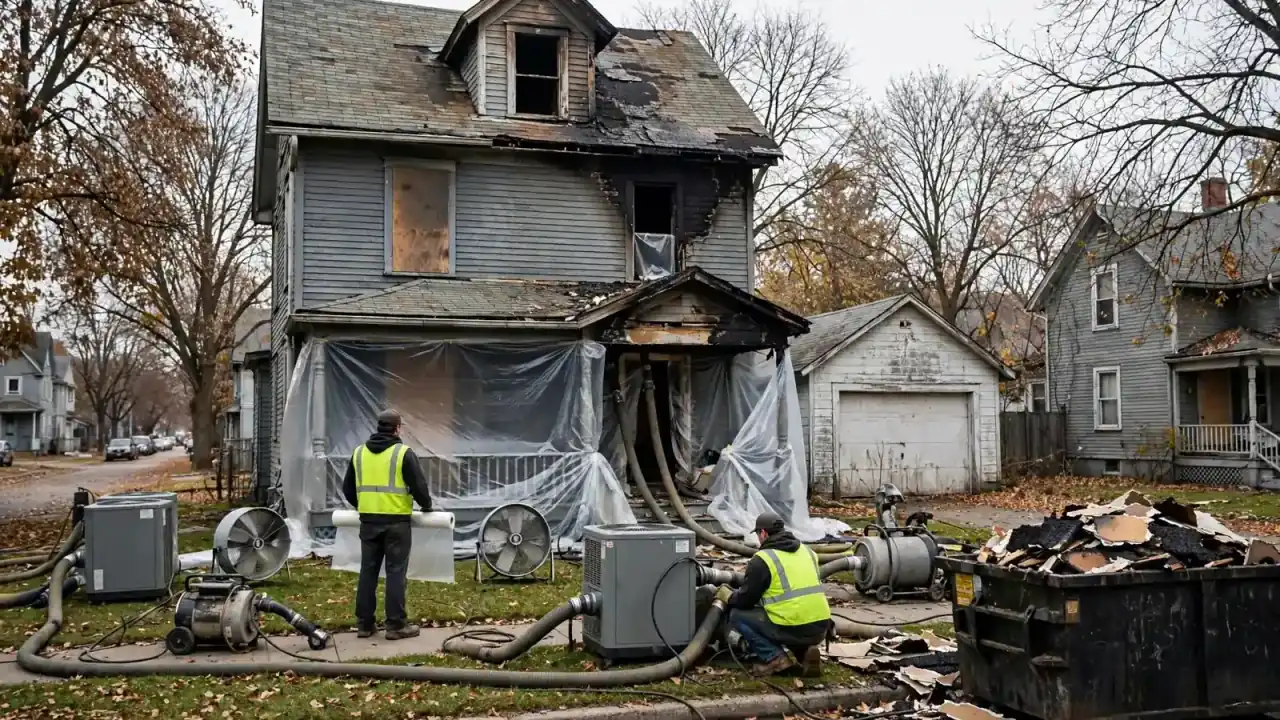 Service area
Nokomis
Story-and-a-half houses and bungalows around Lake Nokomis: basements with laundry and furnaces, detached garages and close neighbors.
Learn more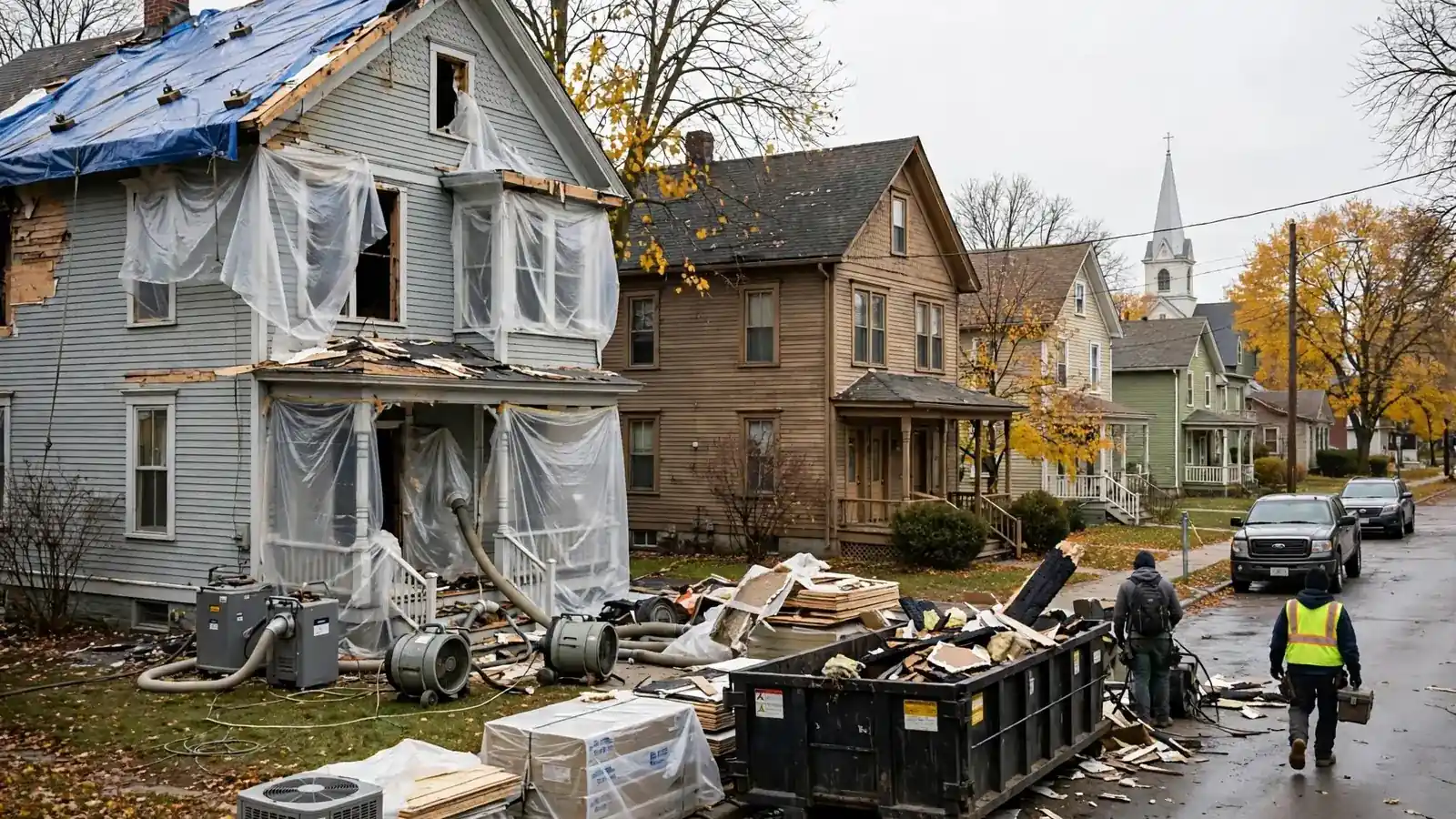 Service area
Northeast
Former mill-worker homes on the east bank: late-1800s and early-1900s frame houses, duplexes and walk-up apartments.
Learn more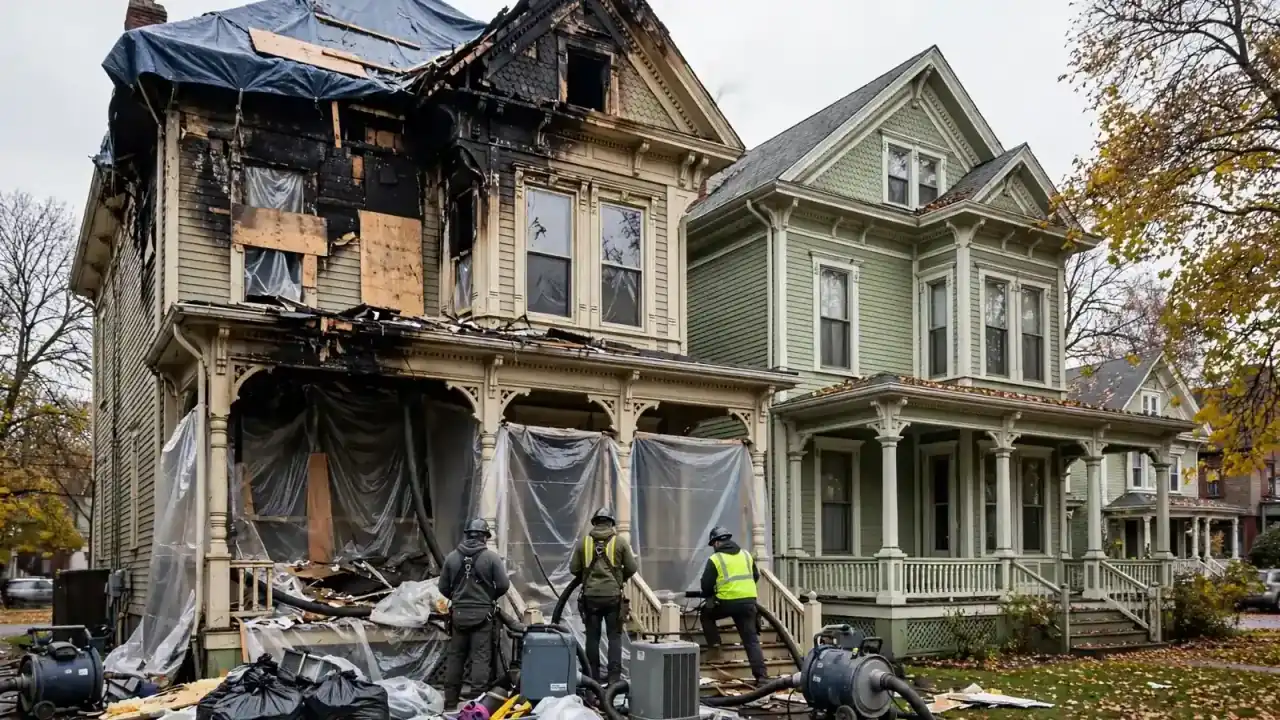 Service area
Powderhorn
Dense 1905 to 1920 housing around Powderhorn Park: tall Victorian-era houses, duplexes and brick walk-up apartments of three floors.
Learn more
Coverage
Where calls are accepted
Calls are taken from 51 ZIP codes in the Lead Smart fire damage coverage area for Minneapolis, checked on October 31, 2026. Some of those ZIP codes extend into neighboring suburbs that share a Minneapolis mailing address. If your address is outside coverage, the contractor will tell you on the call.
The neighborhood pages cover housing age, building types, the problems fires cause in those homes, permits and practical planning. They are written from public records and reference sources, not from claims about local jobs.
Neighborhoods across the city differ in age, density and construction: tall early-1900s houses around Powderhorn Park, bungalows in Longfellow and Nokomis, large historic homes in Kenwood, converted rentals near the university in Marcy-Holmes, and modest family homes in Camden and Northeast.
Pick the page closest to your home; if none fits, the service pages apply citywide.
Neighborhood pages
Eight Minneapolis neighborhoods, each with its own housing and its own restoration challenges.
- Service area
Camden
North Minneapolis homes along the Mississippi: modest single-family houses, basements, older heating and detached garages.
Learn more - Service area
Kenwood
Large historic houses between Lake of the Isles and Cedar Lake: multiple floors, fine woodwork, plaster detail and valuable contents.
Learn more - Service area
Linden Hills
Streetcar-era cottages, Tudors and colonials above Lake Harriet, mixed with rebuilds: tight lots, finished basements and old trees.
Learn more - Service area
Longfellow
1906 to 1920s bungalows and catalog homes between Hiawatha and the river: story-and-a-half layouts, knee walls and basements.
Learn more - Service area
Marcy-Holmes
One of the city's earliest neighborhoods next to the University of Minnesota: old houses split into rentals, historic districts and student housing.
Learn more - Service area
Nokomis
Story-and-a-half houses and bungalows around Lake Nokomis: basements with laundry and furnaces, detached garages and close neighbors.
Learn more - Service area
Northeast
Former mill-worker homes on the east bank: late-1800s and early-1900s frame houses, duplexes and walk-up apartments.
Learn more - Service area
Powderhorn
Dense 1905 to 1920 housing around Powderhorn Park: tall Victorian-era houses, duplexes and brick walk-up apartments of three floors.
Learn more
ZIP codes
ZIP codes in the coverage area
- 55401 to 55439 (every code in that range)
- 55441, 55442, 55443, 55444, 55445, 55446, 55447, 55448, 55449
- 55450, 55454, 55455
Calling from a covered ZIP code?
Call and you will reach an independent local restoration contractor on that call.