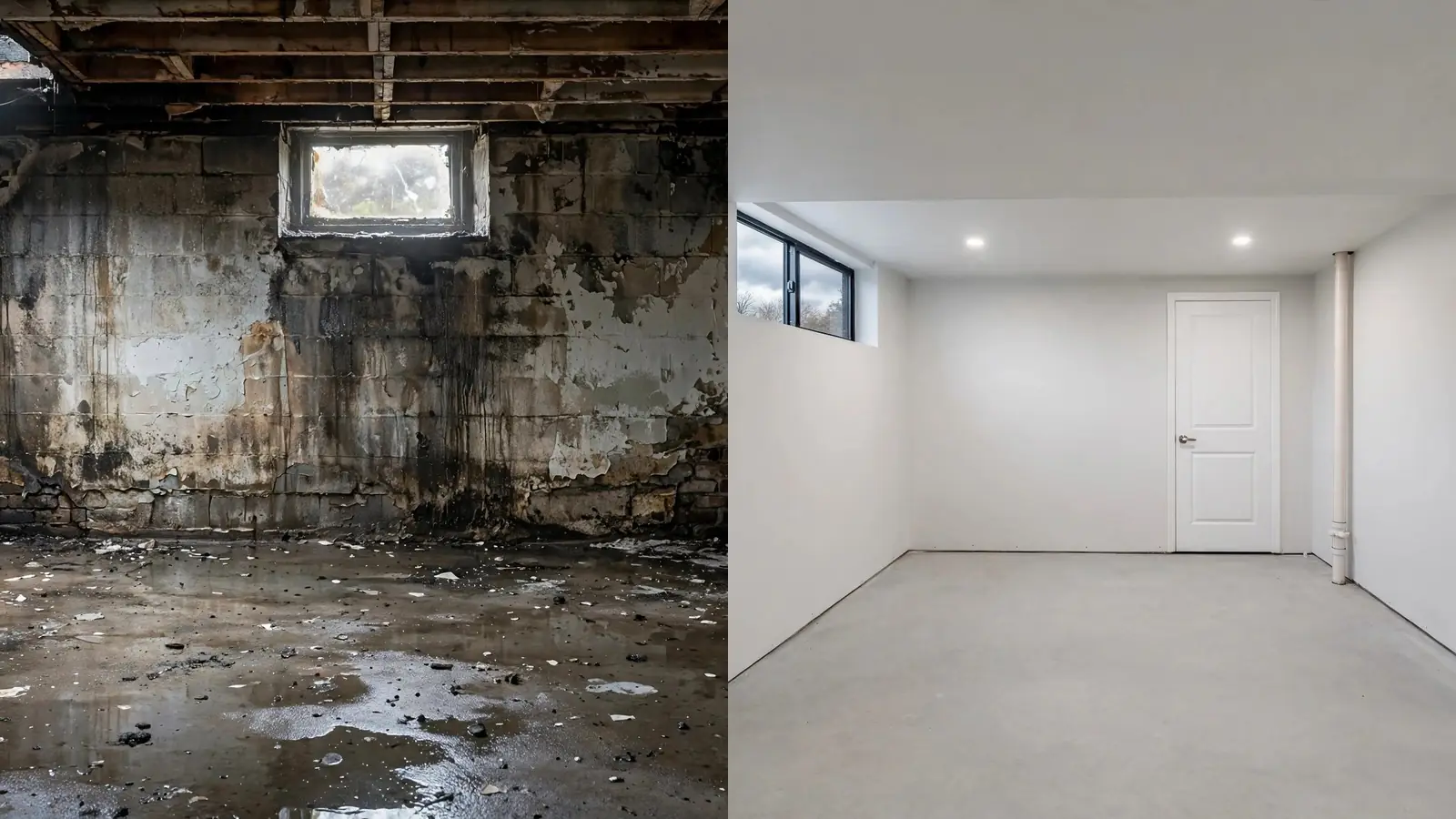
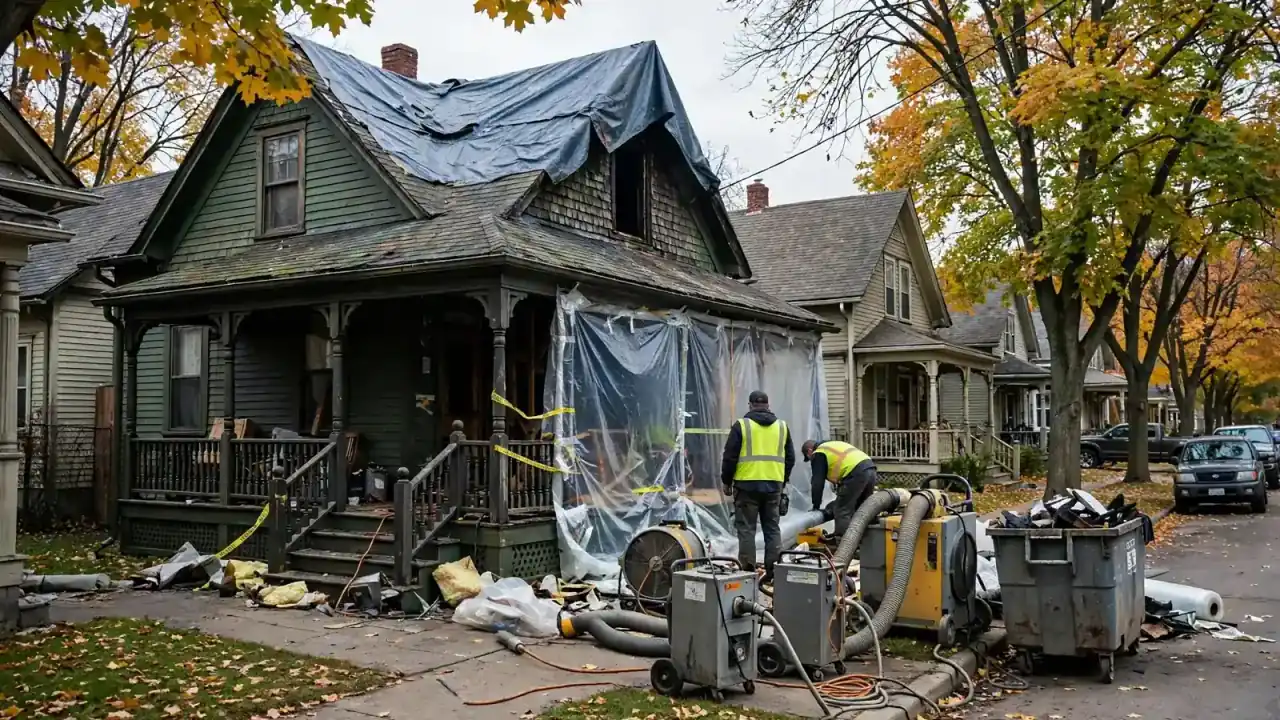
Key facts: Firefighting Water Damage in Longfellow
The path hose water takes through a Longfellow bungalow
In a story-and-a-half house, water sprayed into the upper rooms soaks the floorboards, then comes through the main-floor plaster ceiling below. It runs along joists, follows plumbing and heating pipes and pours down the stairway. Almost all of it ends up in the full basement [7].
The basement is therefore the first priority, but not the only one. Wet plaster ceilings, soaked floors and wall cavities on the main floor also need attention, or they will hold moisture long after the basement is dry [2].
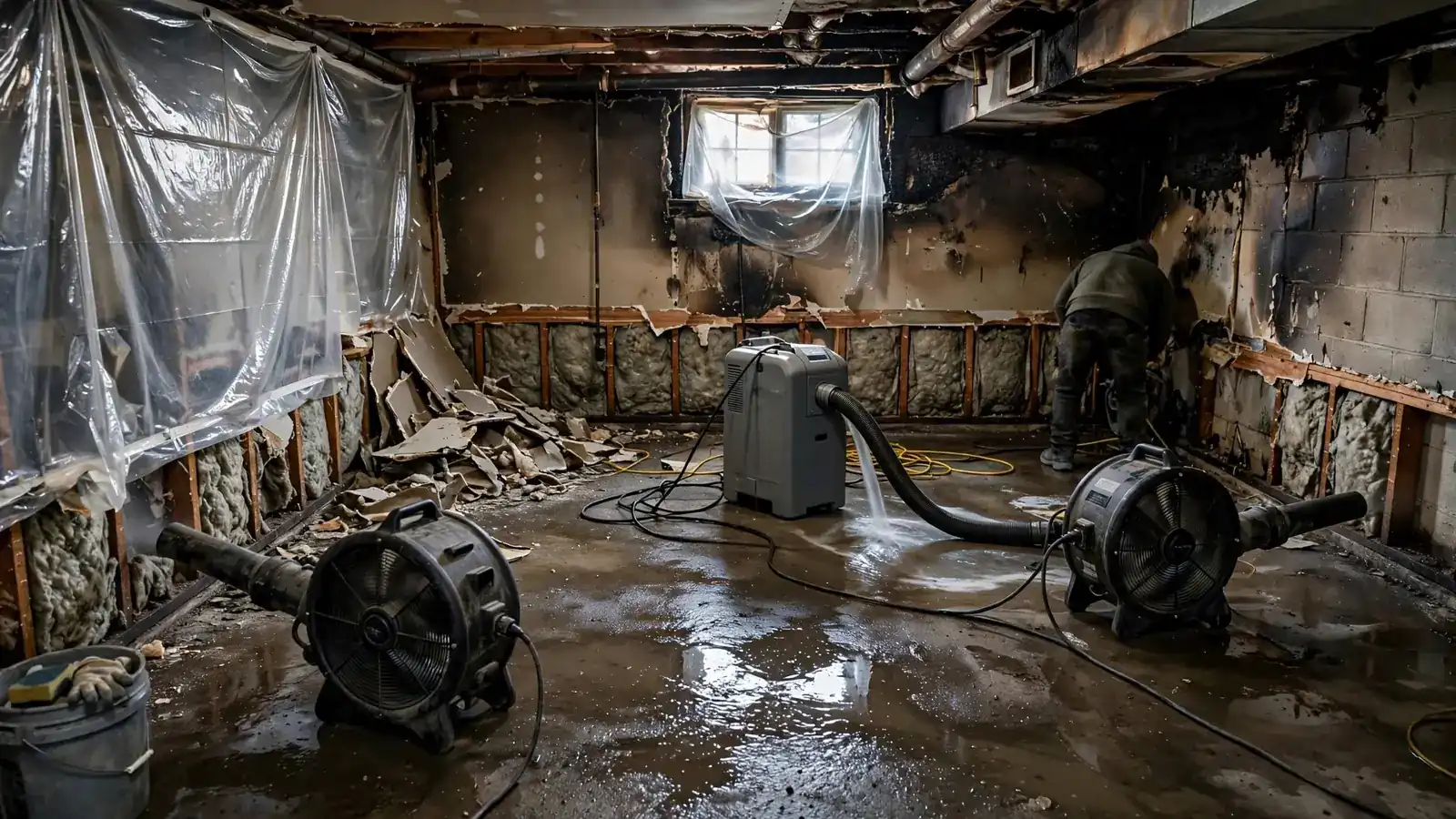
Boilers, water heaters and laundry in the basement
Longfellow basements usually hold the boiler or furnace, the water heater, the electrical panel and a laundry area. Standing water around these is a shock hazard and can damage burners, controls and motors. Do not go down until power to that level is shut off and the space has been checked [3].
Once water is pumped out, a heating contractor should inspect the boiler or furnace before it runs. An electrician should look at any outlet or wiring that sat in water.
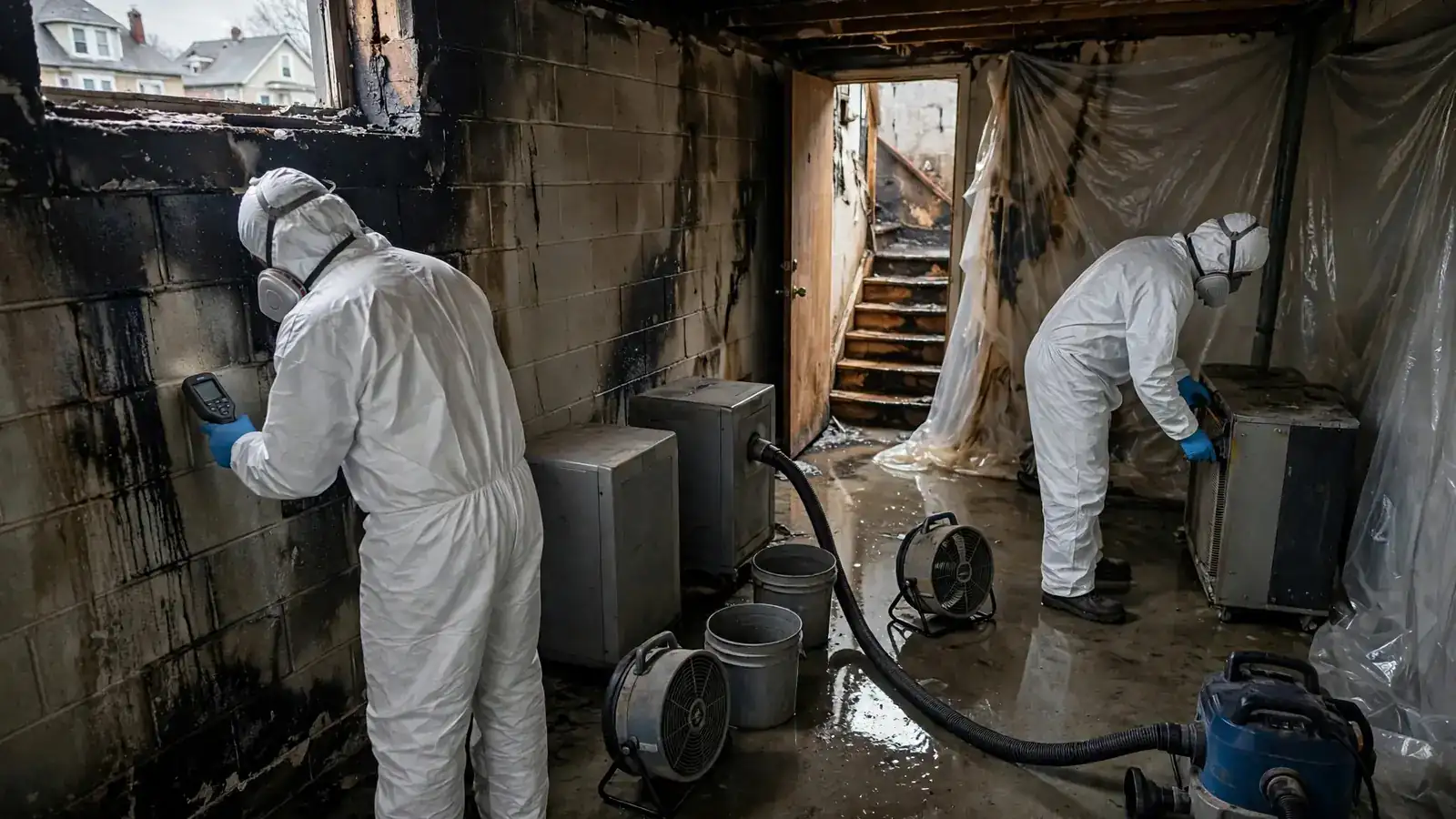
Sagging plaster ceilings on the main floor
Plaster on wood lath can soak up a surprising amount of water. When it does, the ceiling may bulge or pull away from the lath, and a heavy section can drop without warning. Keep everyone out from under a sagging ceiling until it has been looked at.
Technicians sometimes drill small holes to drain trapped water. Plaster that stays bonded to the lath can often be dried and patched. Sections that have broken loose are taken down carefully and replaced.
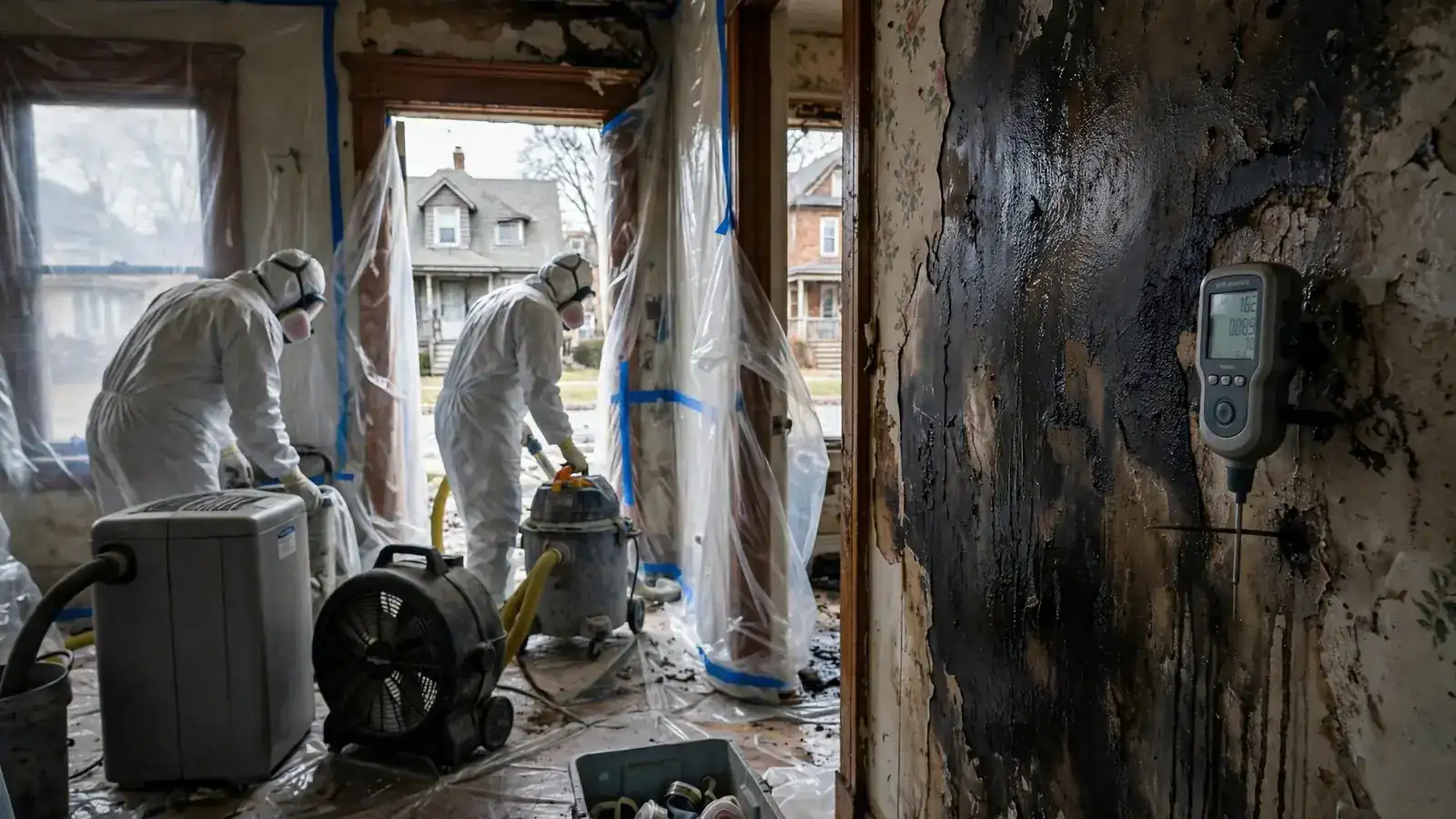
Drying out a Longfellow home after the fire
The sequence most crews follow.
- 1
Shut off power to wet areas and check ceilings
Nobody works under sagging plaster or near live circuits.
- 2
Pump the Longfellow basement and extract floors
Standing water and soaked carpet are cleared first.
- 3
Remove pad, paneling and wet insulation
Materials that will not dry in time come out.
- 4
Run drying equipment and log readings
Dehumidifiers and air movers run until meters show dry.
Frozen pipes in a house left without heat
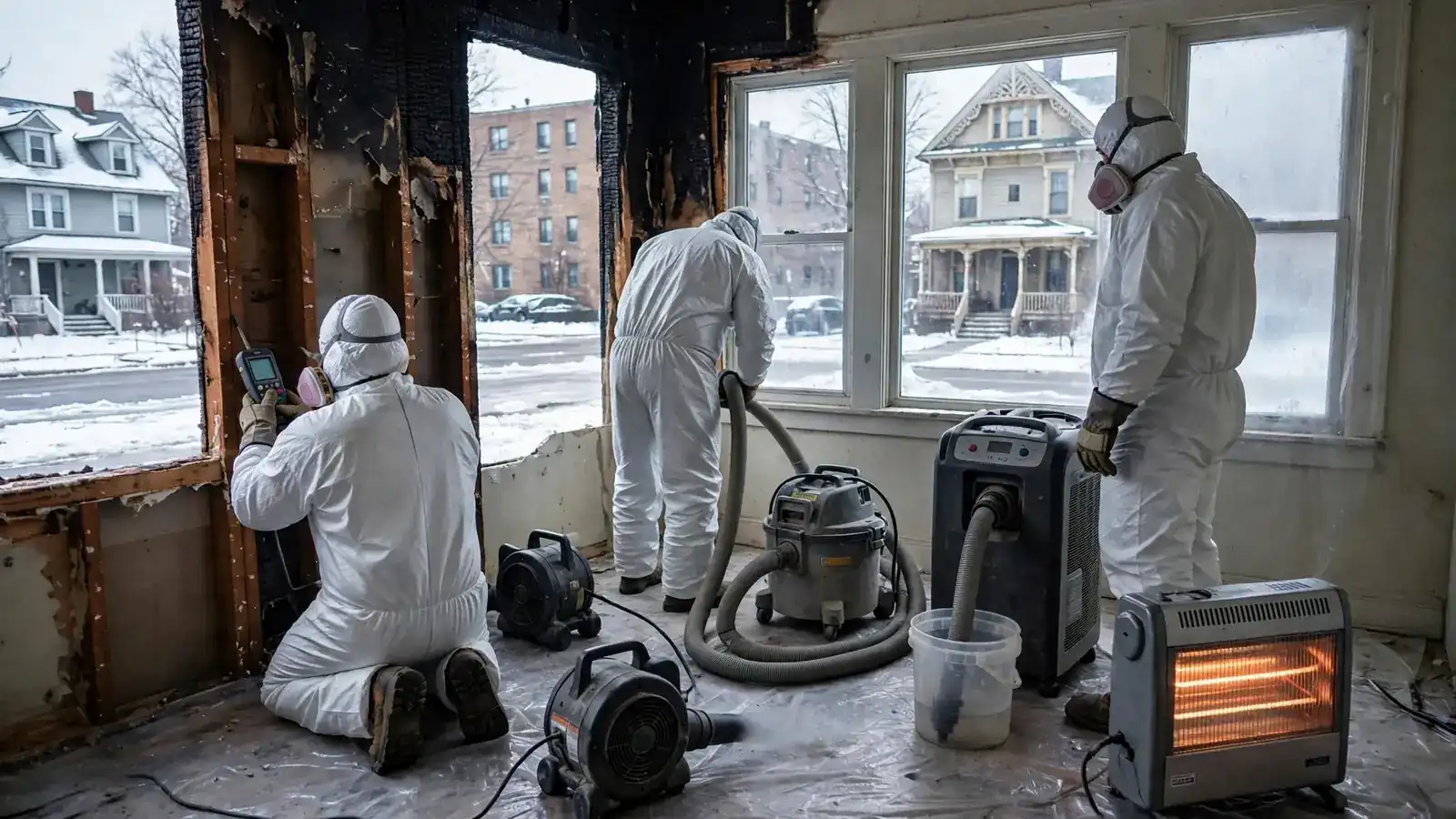
Fires in winter often take out the boiler or furnace, or the gas is shut off for safety. A Minnesota house without heat cools quickly, and pipes in the basement and exterior walls can freeze overnight. A burst pipe adds clean but unwelcome water to a house that is already soaked.
Temporary heat or draining the water lines should be arranged before cleanup starts. Watch the National Weather Service Twin Cities forecast for cold snaps, and tell the contractor right away if the heat is off [5].
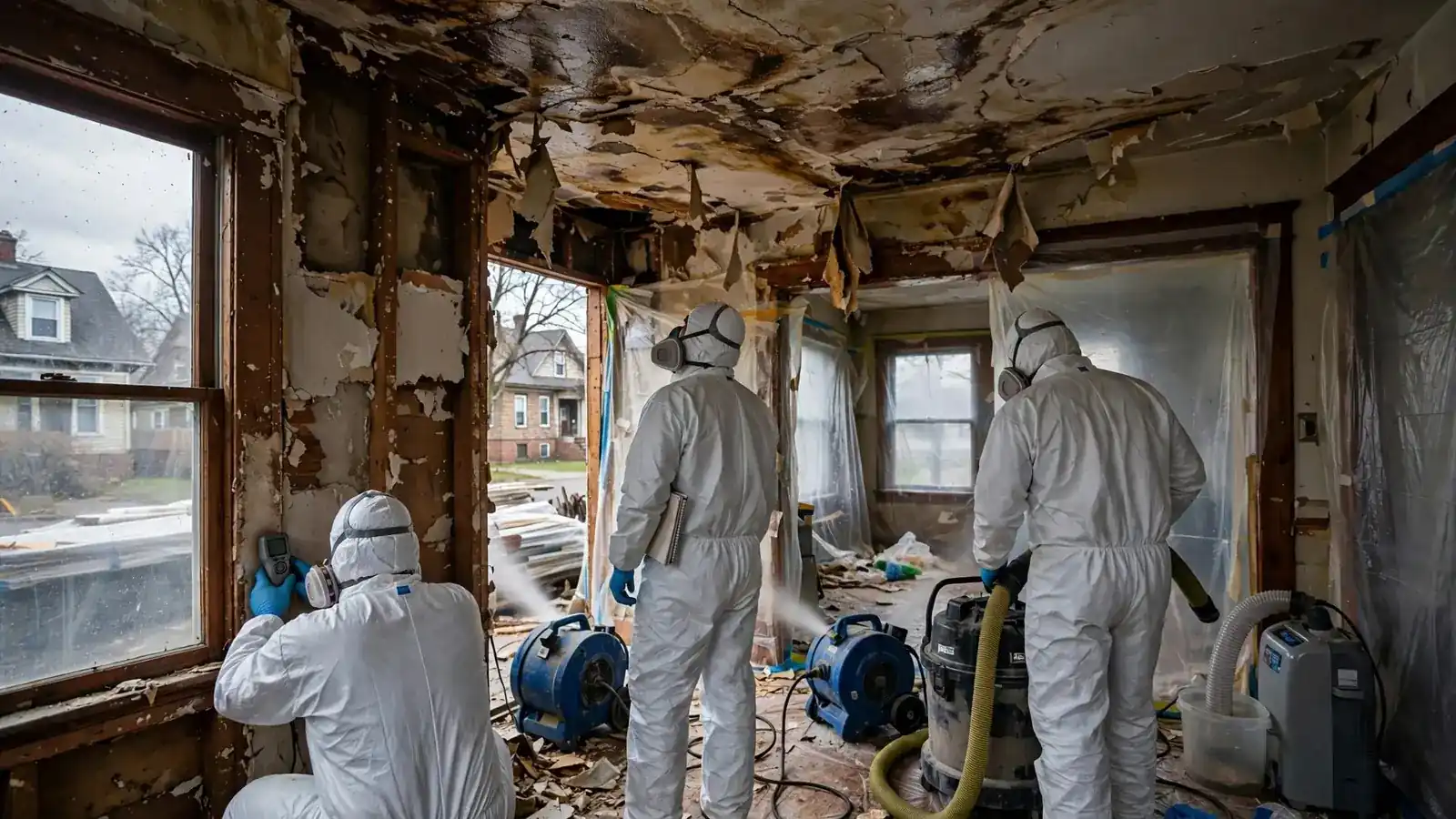
Old fir and oak floors
Original wood floors in Longfellow bungalows absorb water from above and below. They may cup, with edges higher than the middle, or crown as they dry. Slow, controlled drying, sometimes with floor mats that pull moisture up through the boards, saves many of them.
Do not sand or refinish a floor until it is fully dry, which can take a while in thick old boards. Carpet or rugs laid over wood should be lifted early so the wood can breathe.
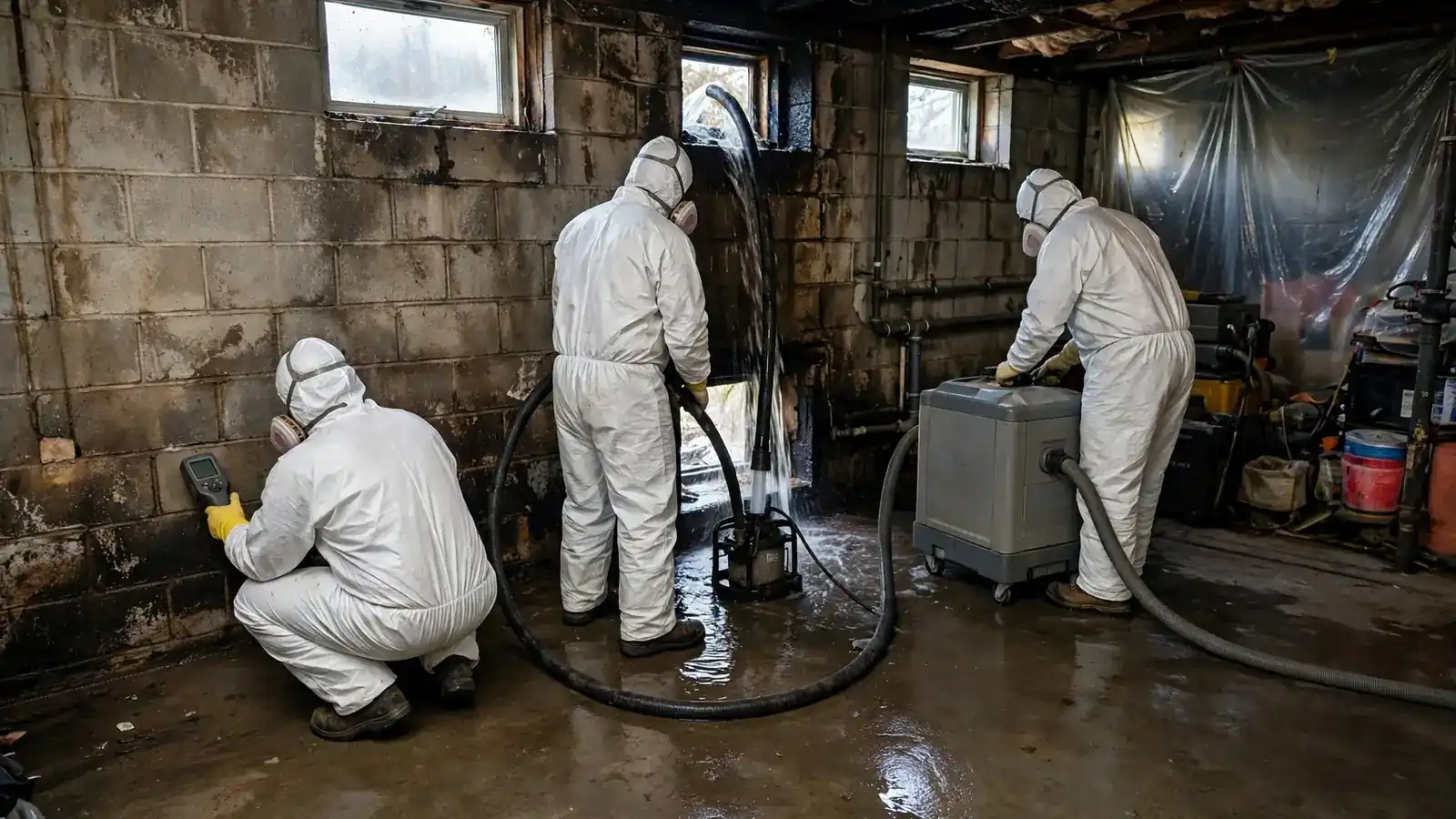
Mold in a cold, wet basement
The EPA advises drying wet materials within 24 to 48 hours to limit mold [1]. In winter, a cold basement dries slowly on its own, and a closed-up house traps humidity. Heat and dehumidifiers together speed things up.
The Minnesota Department of Health suggests fixing moisture problems fast and cleaning or removing materials that have grown mold [4]. Musty smells weeks after the fire are a sign something stayed wet.
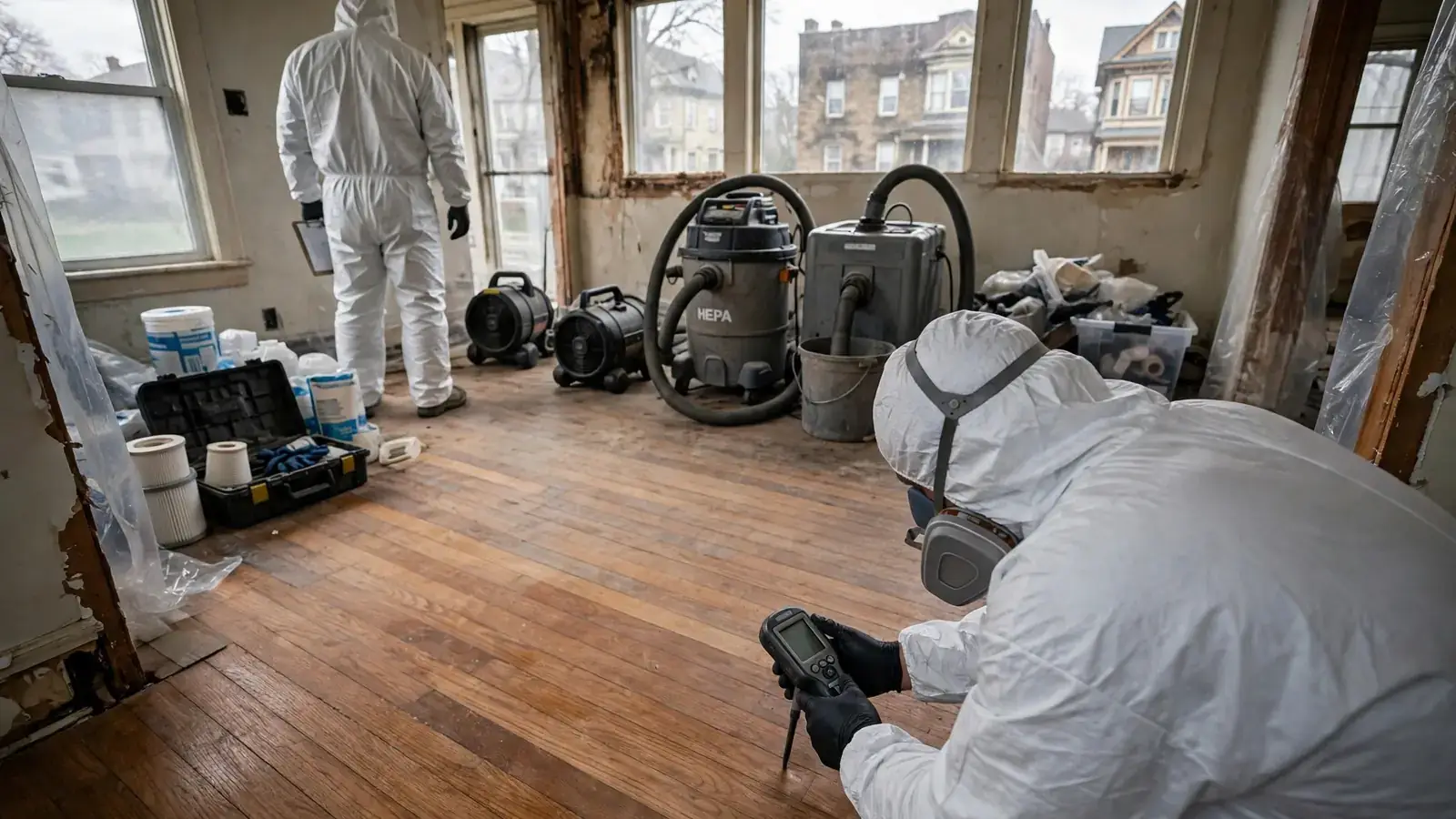
What to say about water when you call from Longfellow
These help the crew bring the right pumps and dryers.
- How deep the basement water isAn inch, or up to the boiler.
- Whether the boiler or furnace still runsNo heat means freeze risk.
- Any ceilings bulging on the main floorSo the crew can make them safe.
- Finished rooms in the lower levelCarpet and paneling add removal work.
Storage boxes and keepsakes in a Longfellow basement
Basements in older homes are full of storage: boxes, tools, holiday decorations, canning jars and old furniture. Cardboard soaks through quickly and anything on the floor wicks water. Move what you safely can to a dry spot and photograph damaged items first.
The Minnesota Department of Commerce recommends keeping a detailed record of what was damaged [6]. Our guide on working with your insurance adjuster covers what to save.
Starting the drying while the claim moves
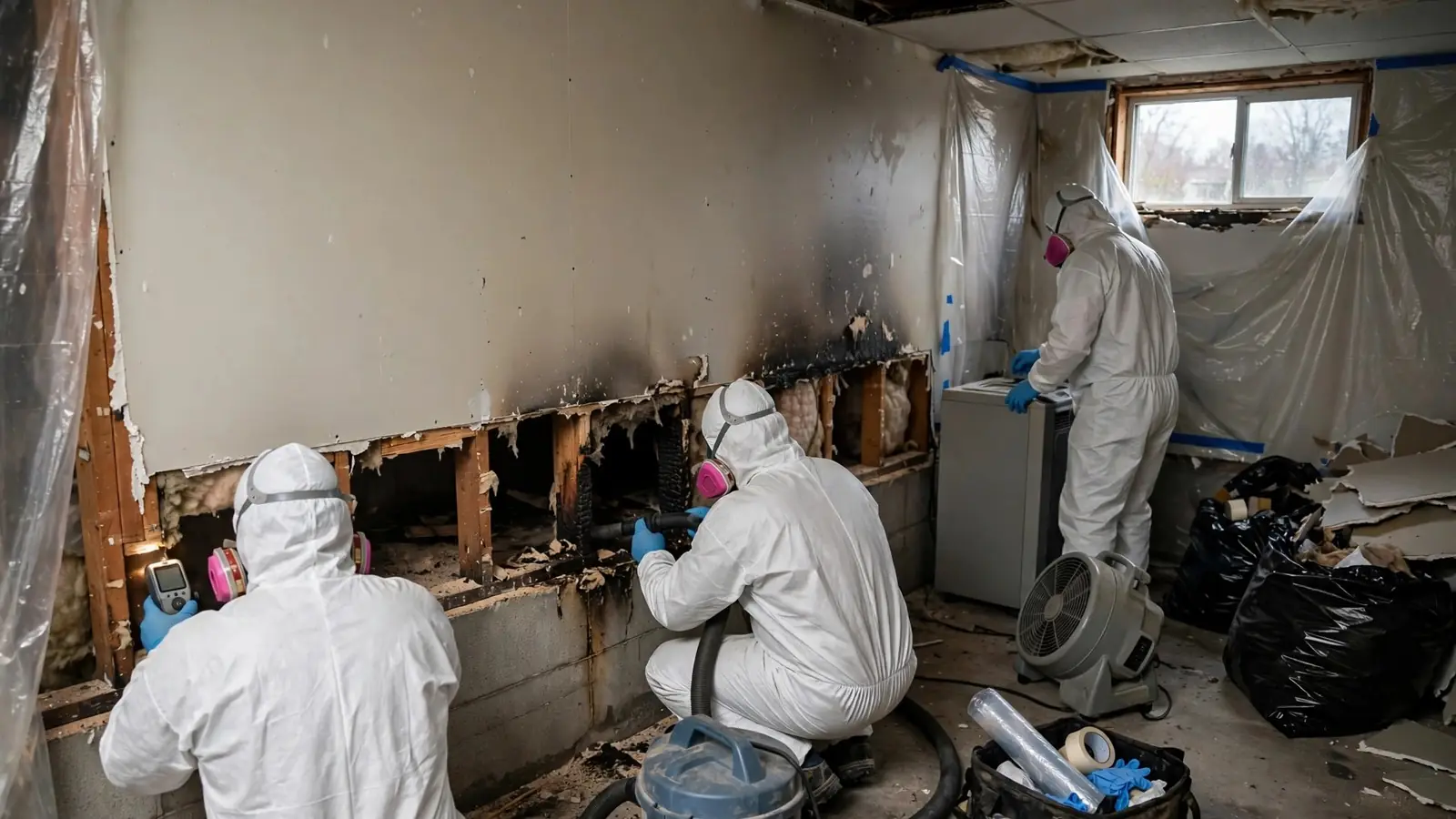
The fastest results come when drying starts as soon as the fire department releases the house. Waiting for every detail of the claim to settle can let water sit in walls and floors. Ask the contractor to document readings and photos from day one so the adjuster has a clear record.
If you are unsure whether to stay in the house while it dries, see is it safe to stay after a fire. Odor from damp, smoky materials is covered on our odor removal page.
FAQ
Firefighting Water Damage in Longfellow: questions
How long does it take to dry a Longfellow basement?
Many basements dry within several days once wet carpet, pad and paneling are out, though thick concrete and old wood can take longer.
Can wet plaster ceilings in a Longfellow bungalow be saved?
Often, if the plaster is still bonded to the lath. Loose or badly sagging sections are taken down and patched.
What if my Longfellow pipes froze while the heat was off?
Tell the contractor right away. Temporary heat or draining the lines comes before drying, and a plumber may need to repair split pipes.
Sources and citations
- [1]U.S. EPA: A brief guide to mold, moisture and your home
- [2]IICRC: S500 Standard for Professional Water Damage Restoration
- [3]U.S. Fire Administration: After a fire
- [4]Minnesota Department of Health: Mold and moisture in homes
- [5]National Weather Service: Twin Cities forecast office
- [6]Minnesota Department of Commerce: Disaster Information Center
- [7]Wikipedia: Longfellow, Minneapolis