Key facts: Smoke Damage Cleanup in Longfellow
How smoke moves through a Longfellow bungalow
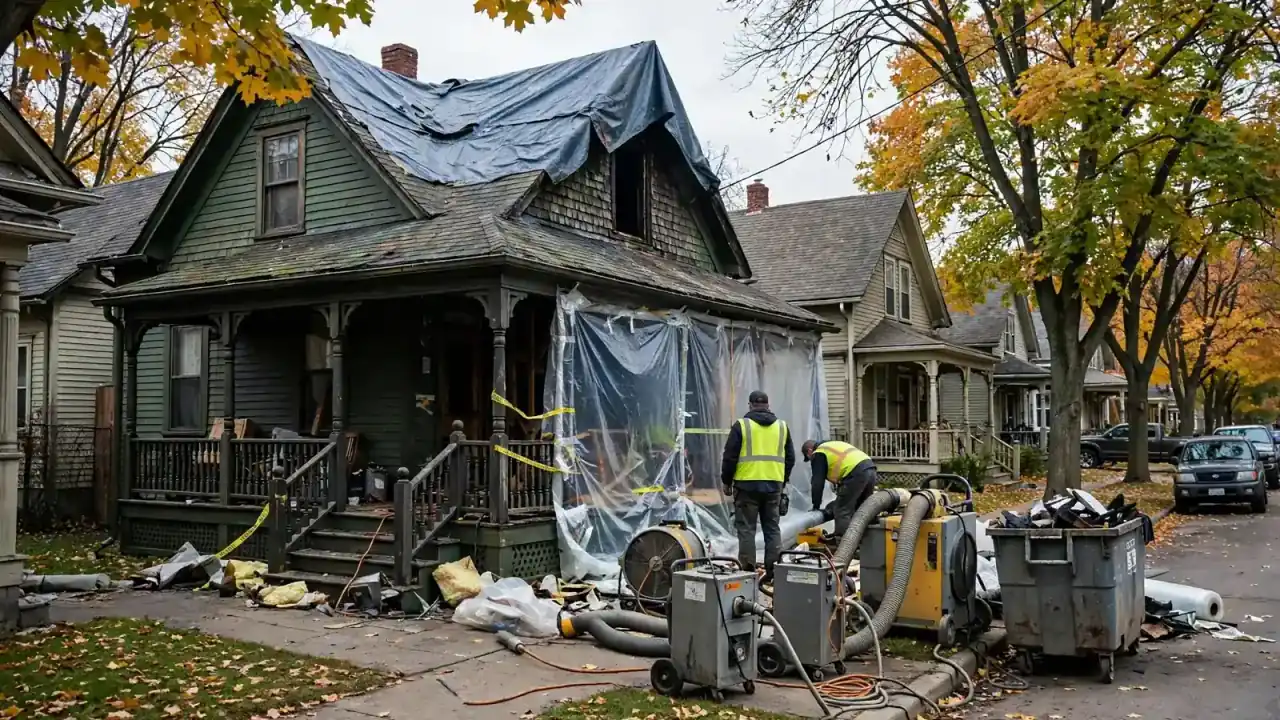
Bungalows have a compact main floor and an open stair to the half story. Smoke from a kitchen or basement fire spreads across the main floor, then rises up the stair and fills the upper rooms. It also follows the gaps around pipes and chimneys into walls and the attic [1].
That means the cleanup covers every floor, even when the fire stayed in one room.
Built-ins, buffets and Craftsman woodwork
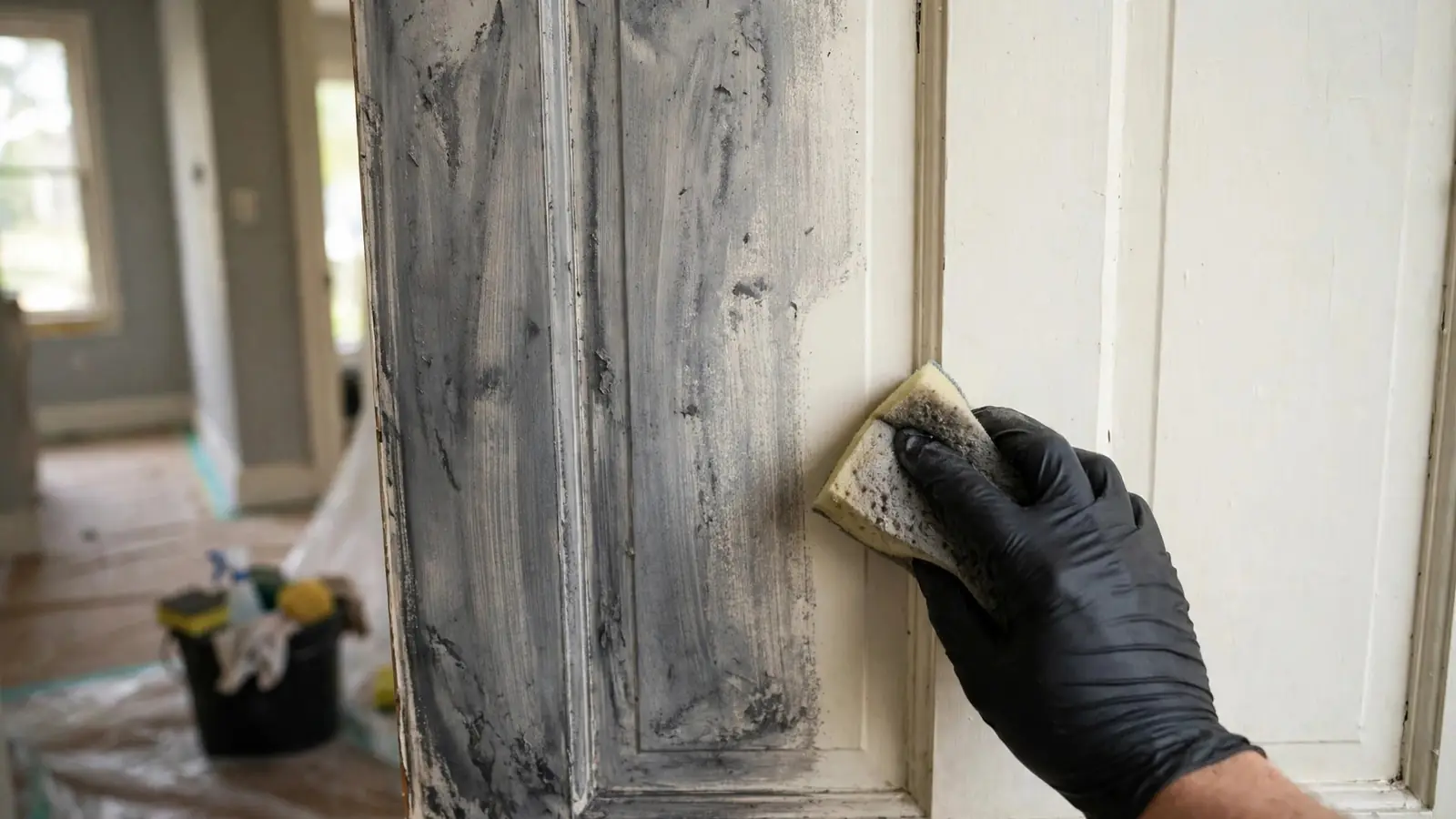
Longfellow is known for Craftsman-style bungalows [9], and many still have stained fir or oak trim and original built-in cabinets. These are central to the home's character. Smoke residue on them is cleaned by hand with gentle products.
If the finish is darkened, light refinishing may be needed. Ask the contractor to protect original pieces during cleanup.
Plaster and lath
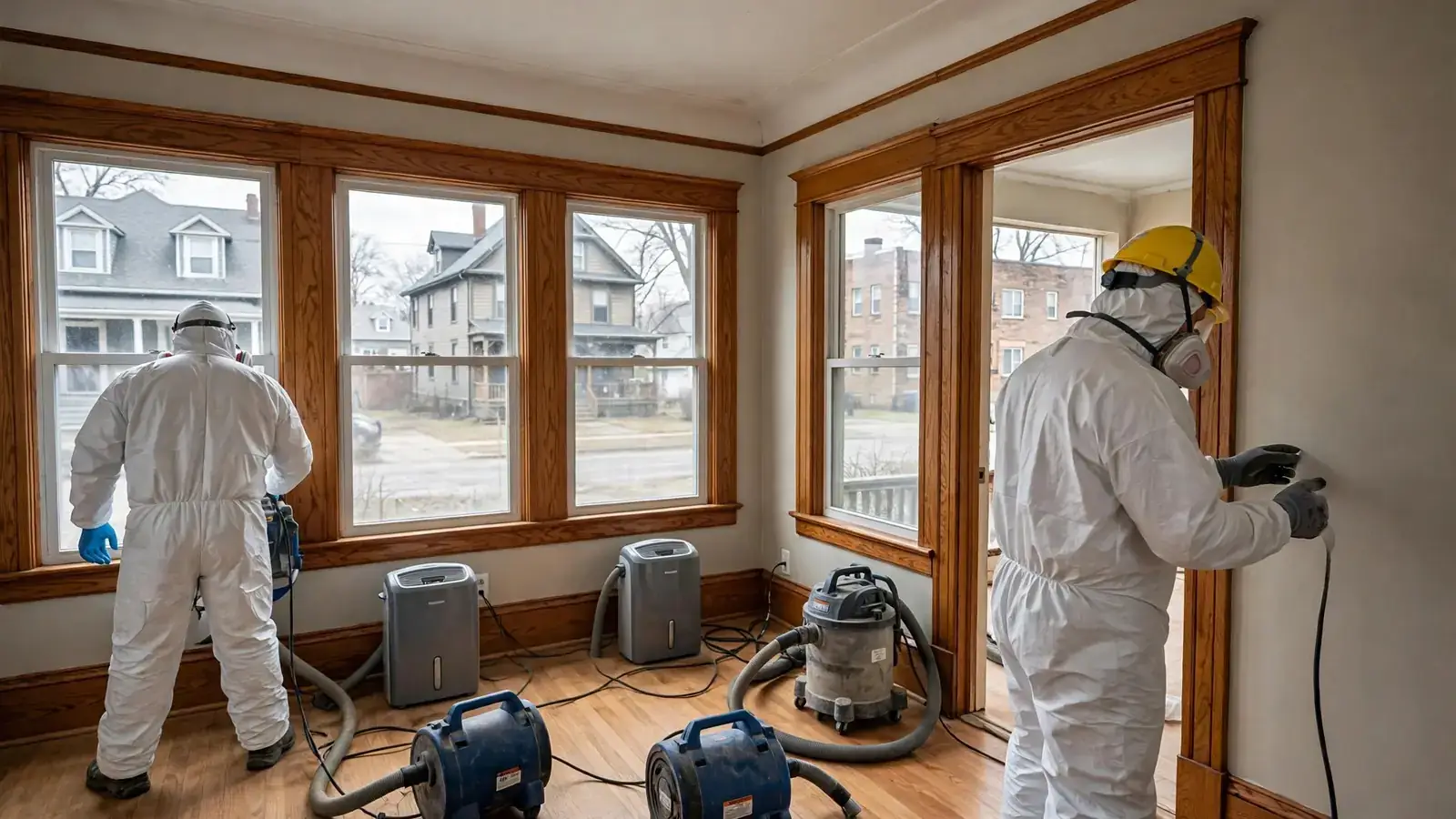
Most of these homes have plaster on wood lath. Plaster cleans well. Dry soot sponges remove loose residue before any liquid cleaning.
Cracks and loose areas near the fire may need repair. Plaster can usually be patched rather than replaced.
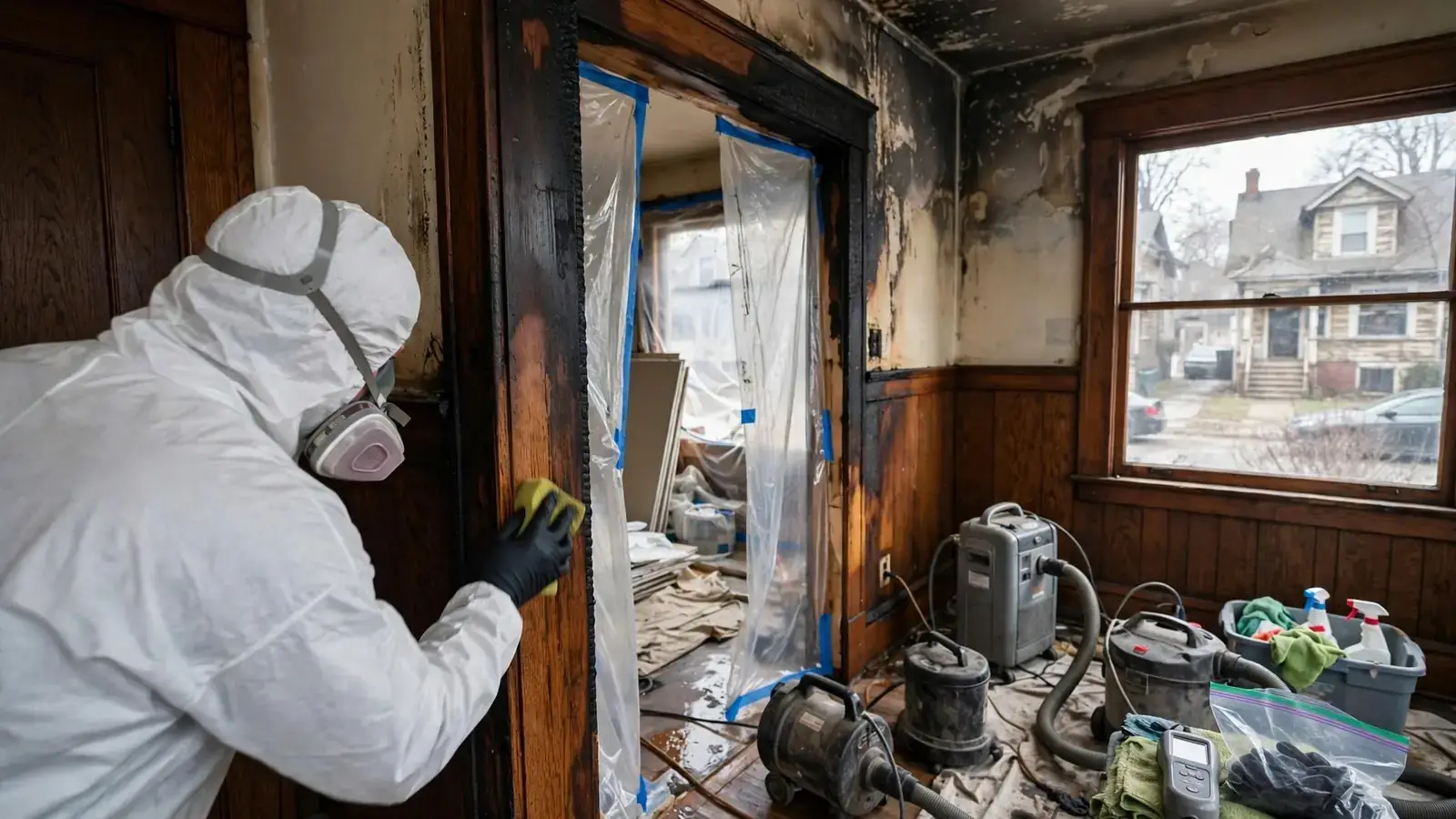
Smoke cleanup in a Longfellow home
The usual sequence.
- 1
Assess each floor and the basement
Residue type and surfaces are noted [2].
- 2
Protect built-ins and pack contents
Original woodwork is covered and belongings moved.
- 3
Clean ceilings, walls and trim
Top down, dry first, then wet as needed.
- 4
Clean the boiler, radiators or ducts
The heating system is cleaned, then the house is deodorized.
Lead-safe work on old paint
Painted woodwork, windows and walls in Longfellow homes almost certainly include older lead paint layers [3]. Cleaning does not usually disturb it. Scraping, sanding or removing painted trim does.
Lead-safe practices include containment, misting and careful cleanup. Ask how the contractor handles it.
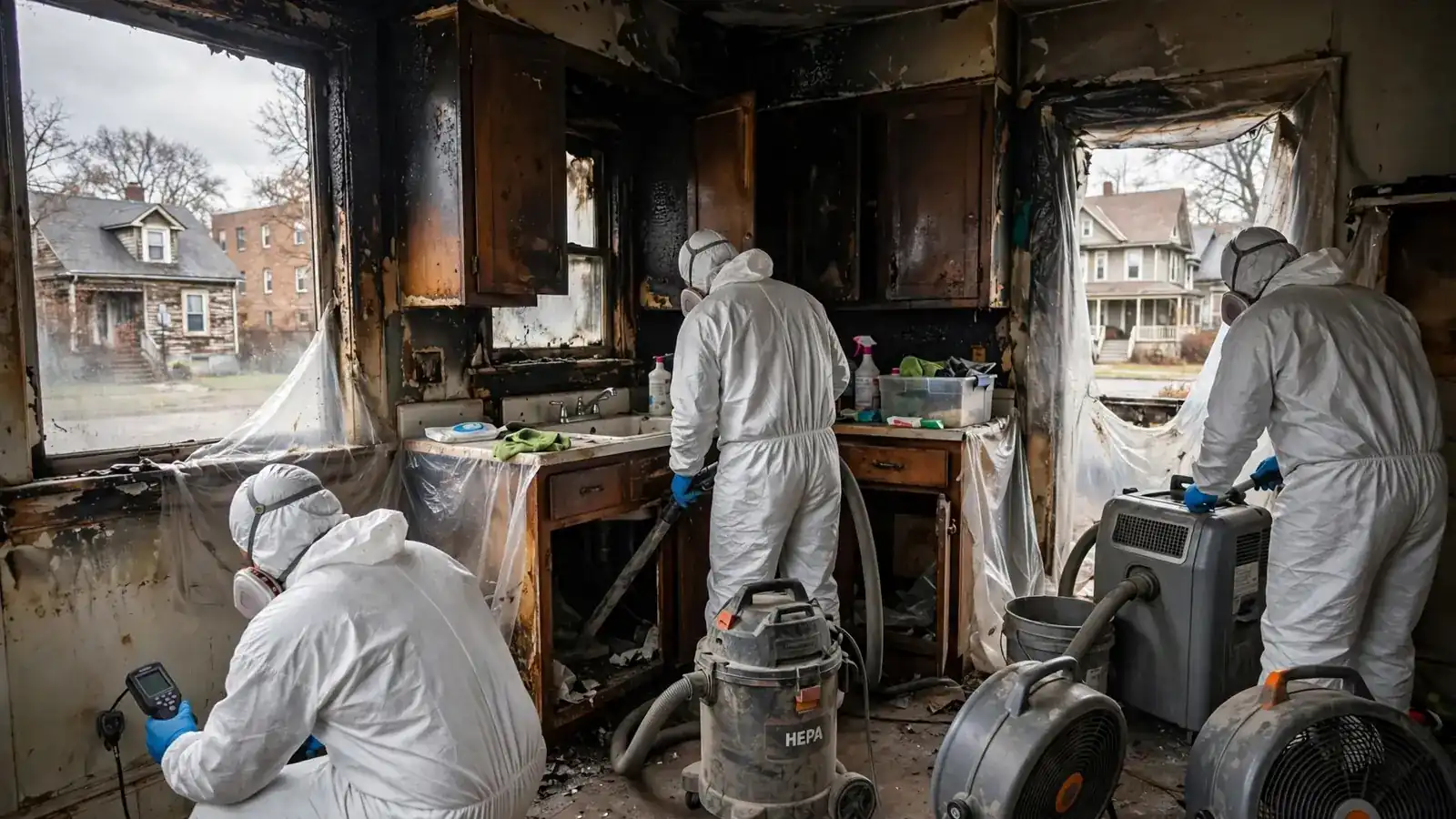
Permits for repairs in Minneapolis
Repairs to structure, wiring, plumbing and heating need permits from the City of Minneapolis [6]. Inspections may be required before walls are closed.
Minnesota's Department of Labor and Industry licenses residential contractors, and its website lets you look up a company before you sign anything [7]. Keep copies of permits and inspection results with your claim papers, since the adjuster may ask for them when the repair stage begins.
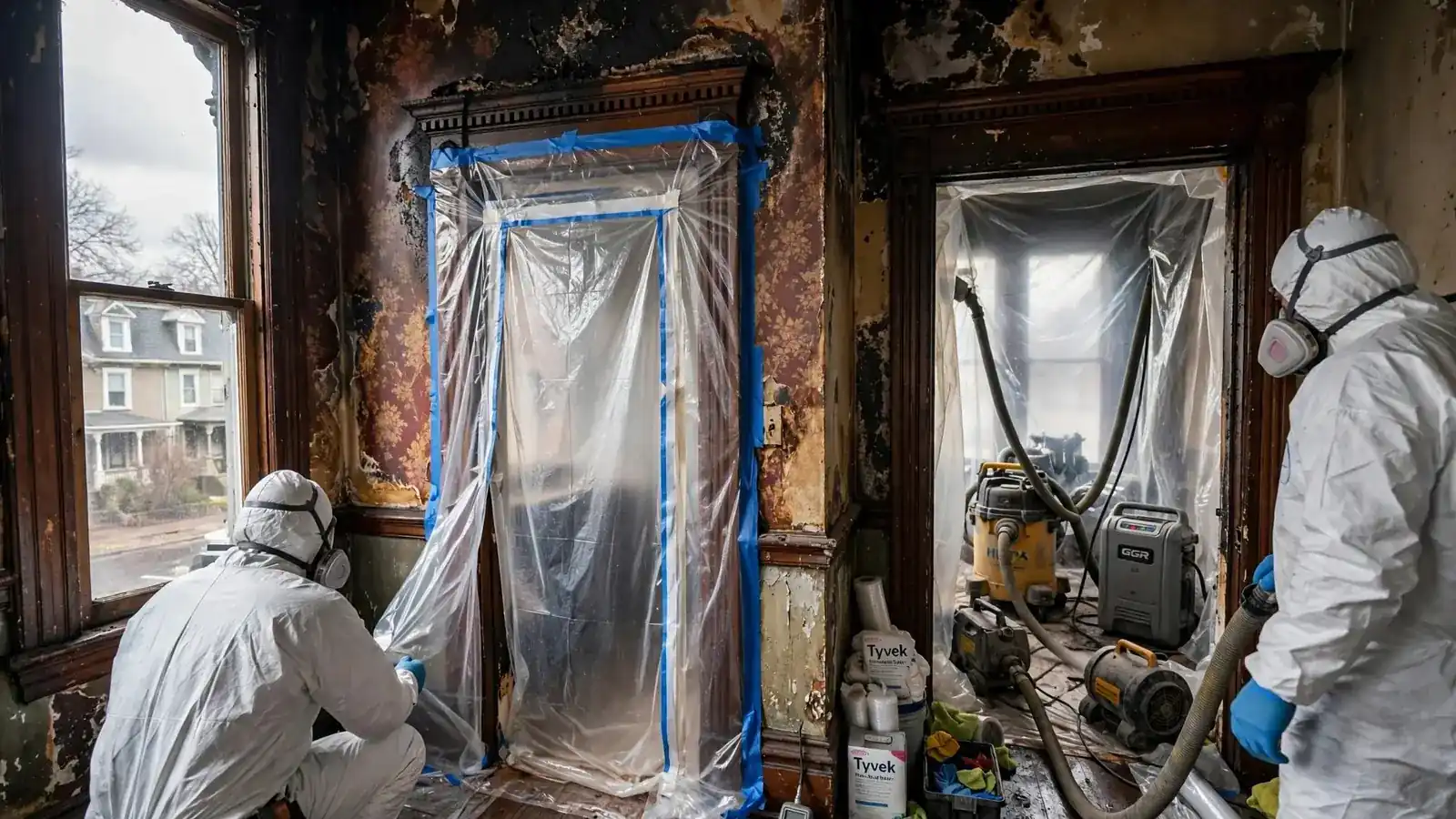
Winter cleanup and the boiler
If the boiler or furnace was damaged, the house may need temporary heat to protect pipes. Cleanup and heating repairs need to be coordinated, because a boiler that restarts too soon can bake residue onto every radiator in the house and spread a fresh wave of smell.
Many crews clean the boiler room and radiators early, then let the heating contractor bring the system back once it is safe. The Twin Cities weather office forecast helps plan around cold nights when the house is most at risk [5]. Keep carbon monoxide alarms working whenever a fuel-burning appliance is restarted after a fire.
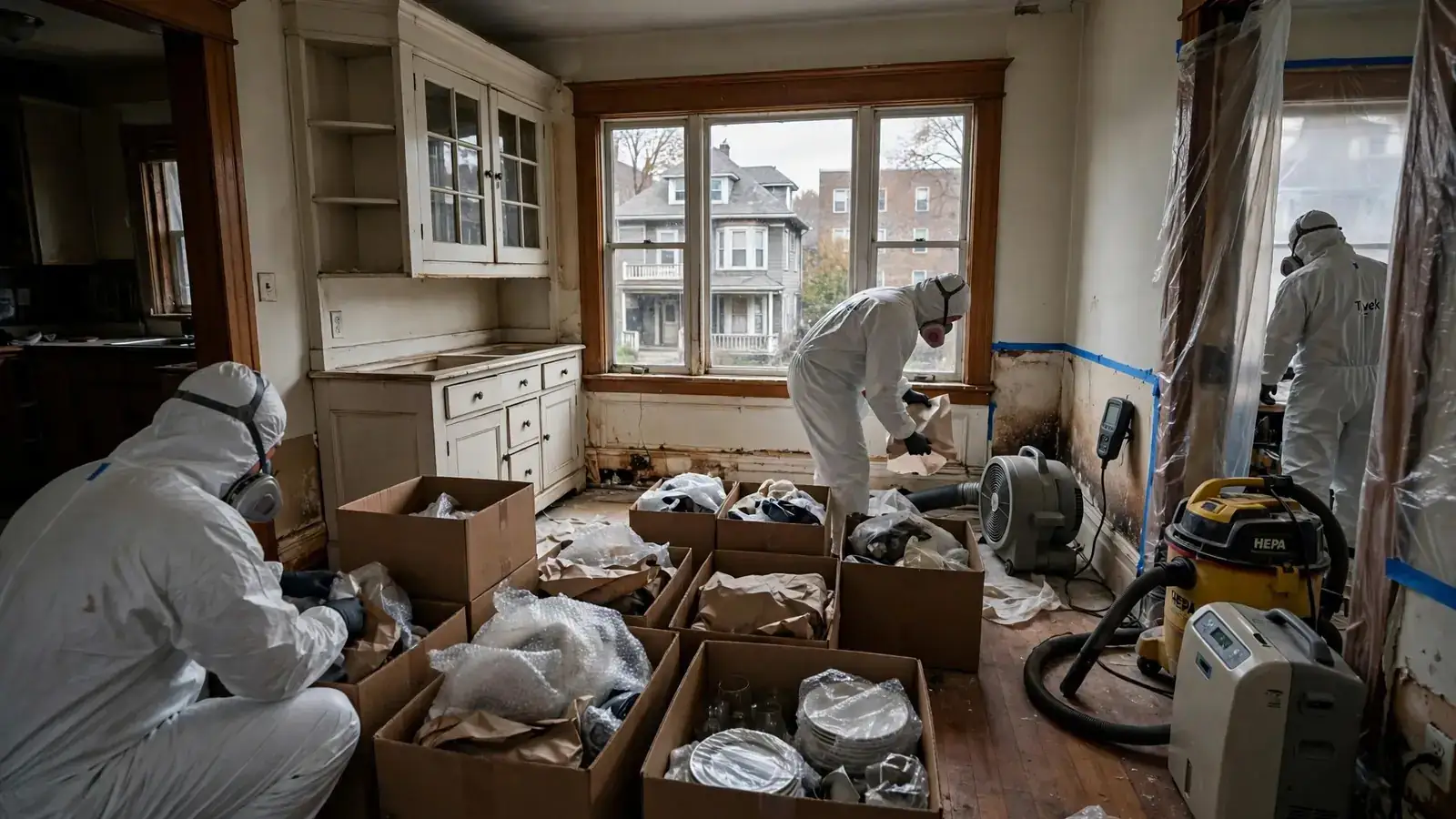
Longfellow features that need careful cleaning
Mention them when you call.
- Built-in buffets and bookcasesHand cleaning protects the finish.
- Leaded glass in built-insGlass and lead came need gentle care.
- Original light fixturesResidue can be cleaned with care.
- Stamped catalog lumberWorth protecting if visible.
Contents and insurance records
Belongings are cleaned, packed out or listed for disposal. Photograph everything. The Minnesota Department of Commerce reminds you that you choose your contractor and should keep records [4].
See our guide on what to do after a house fire.
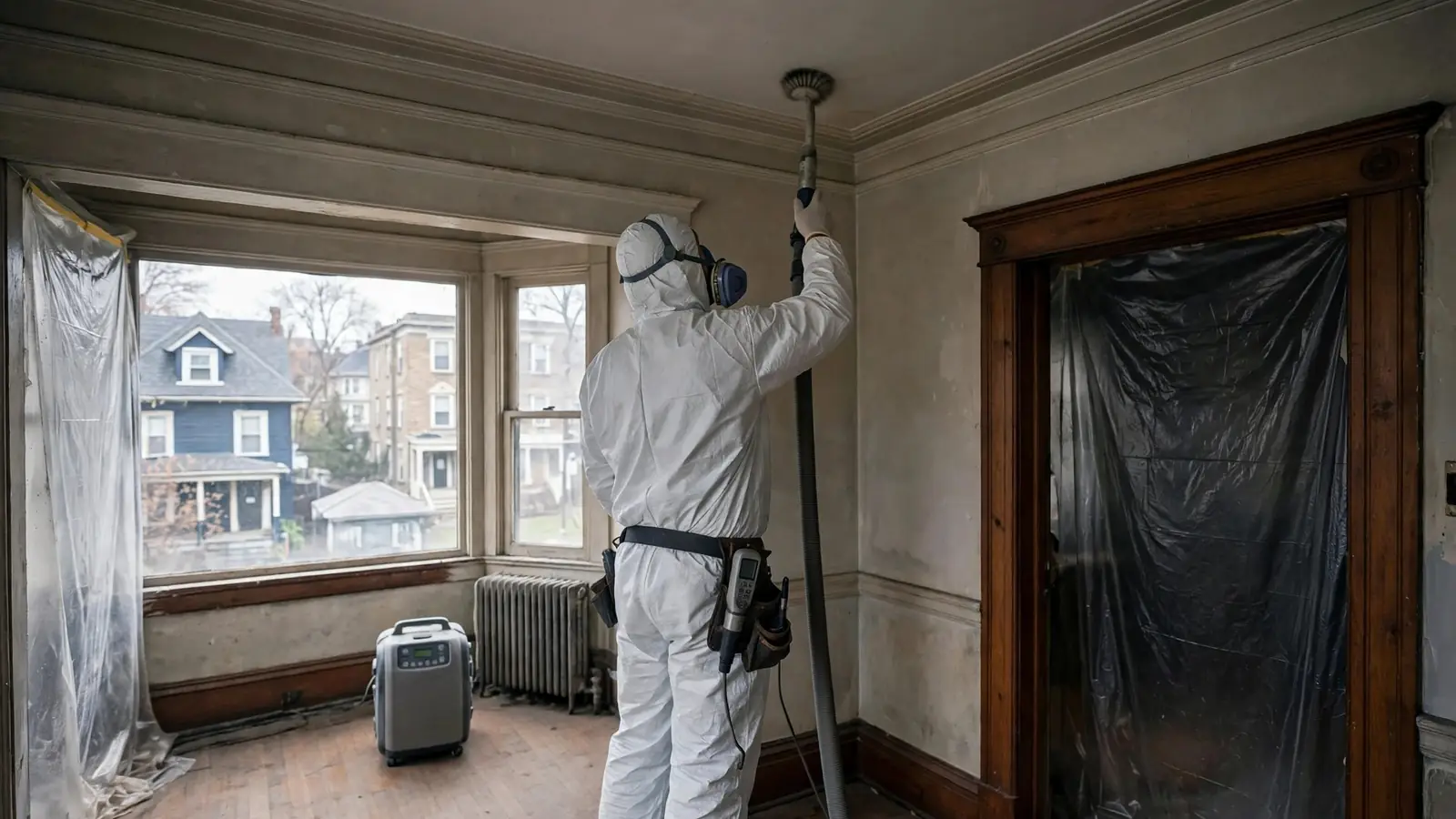
Upstairs bedrooms under the Longfellow roofline
The half-story bedrooms in a bungalow catch the heaviest smoke because it rises straight up the stair. Sloped plaster ceilings, small closets under the eaves and painted window trim all take on a gray film. These rooms are cleaned with extra care since they are small and the residue is concentrated.
Behind the knee walls, insulation and stored belongings are often the worst affected. The contractor will open those spaces, empty them and decide what can be cleaned and what must go.
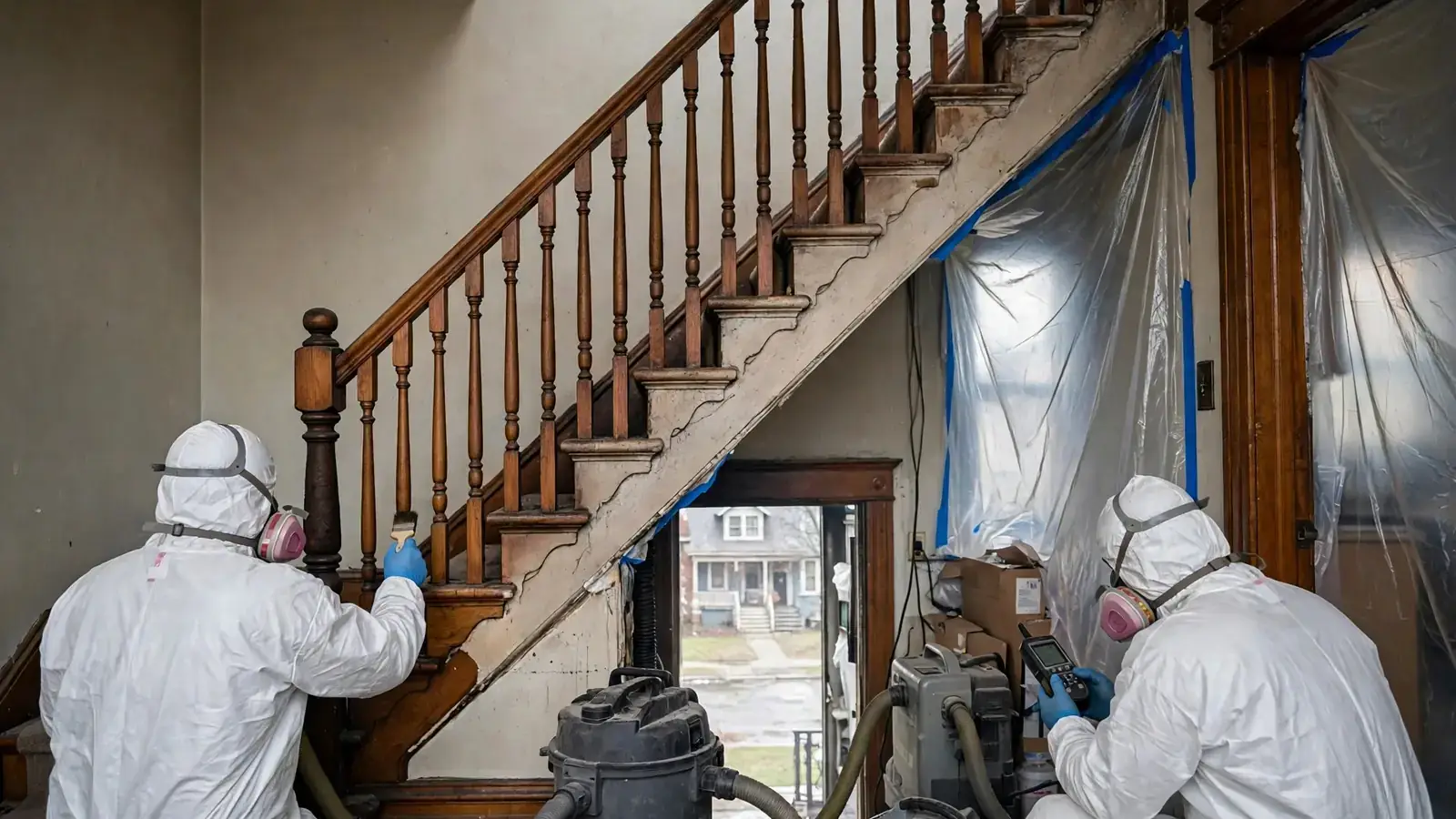
Smoke cleanup around a catalog-built home
Some Longfellow houses came as ready-to-assemble kits, including Sears homes [9]. Their millwork and doors were standard patterns, so a damaged piece can sometimes be matched. During cleanup, original doors, hardware and trim are worth protecting rather than removing.
If you know your house is a catalog home, say so on the call. The crew can note stamped lumber or original parts and avoid discarding them.
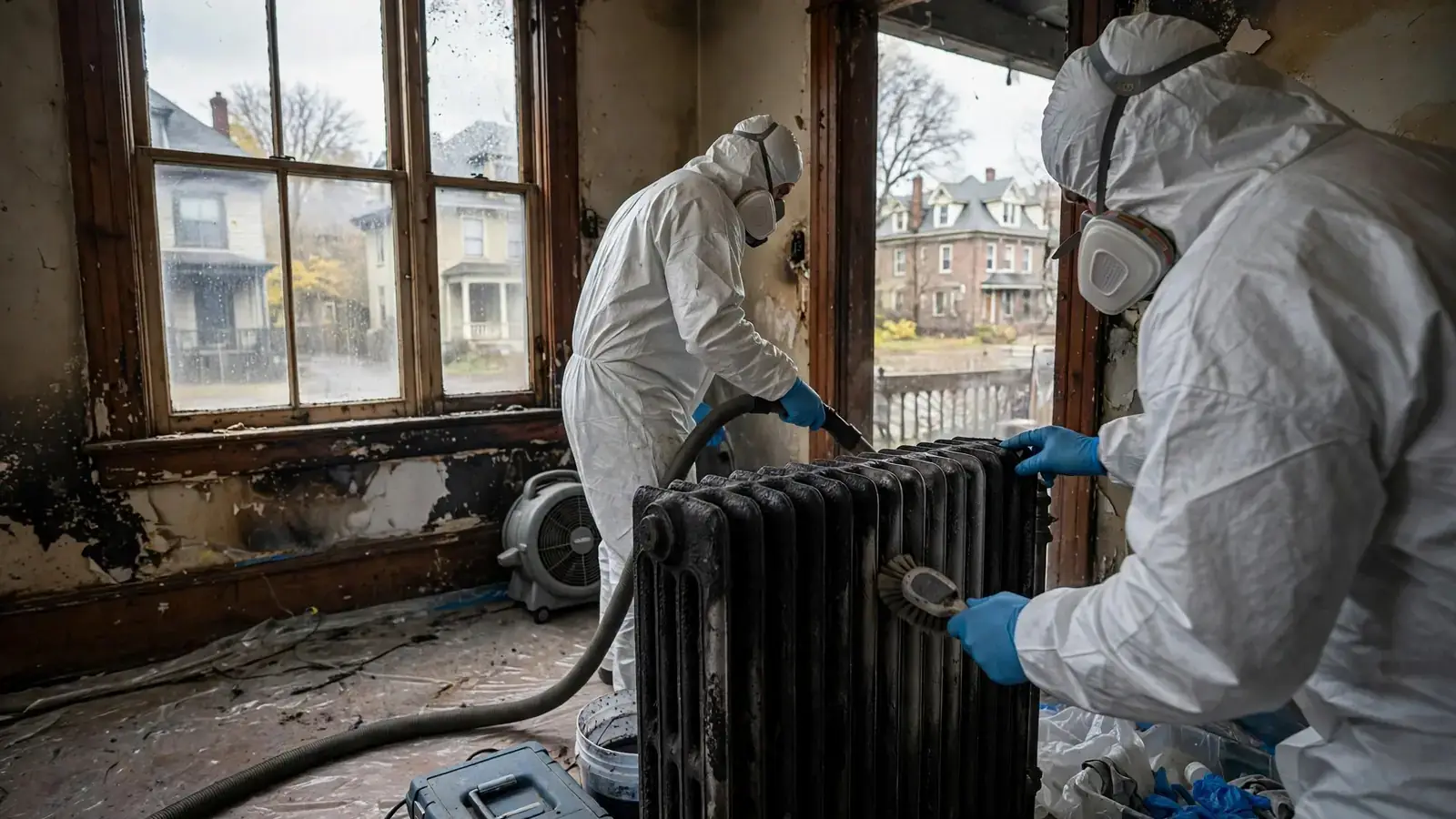
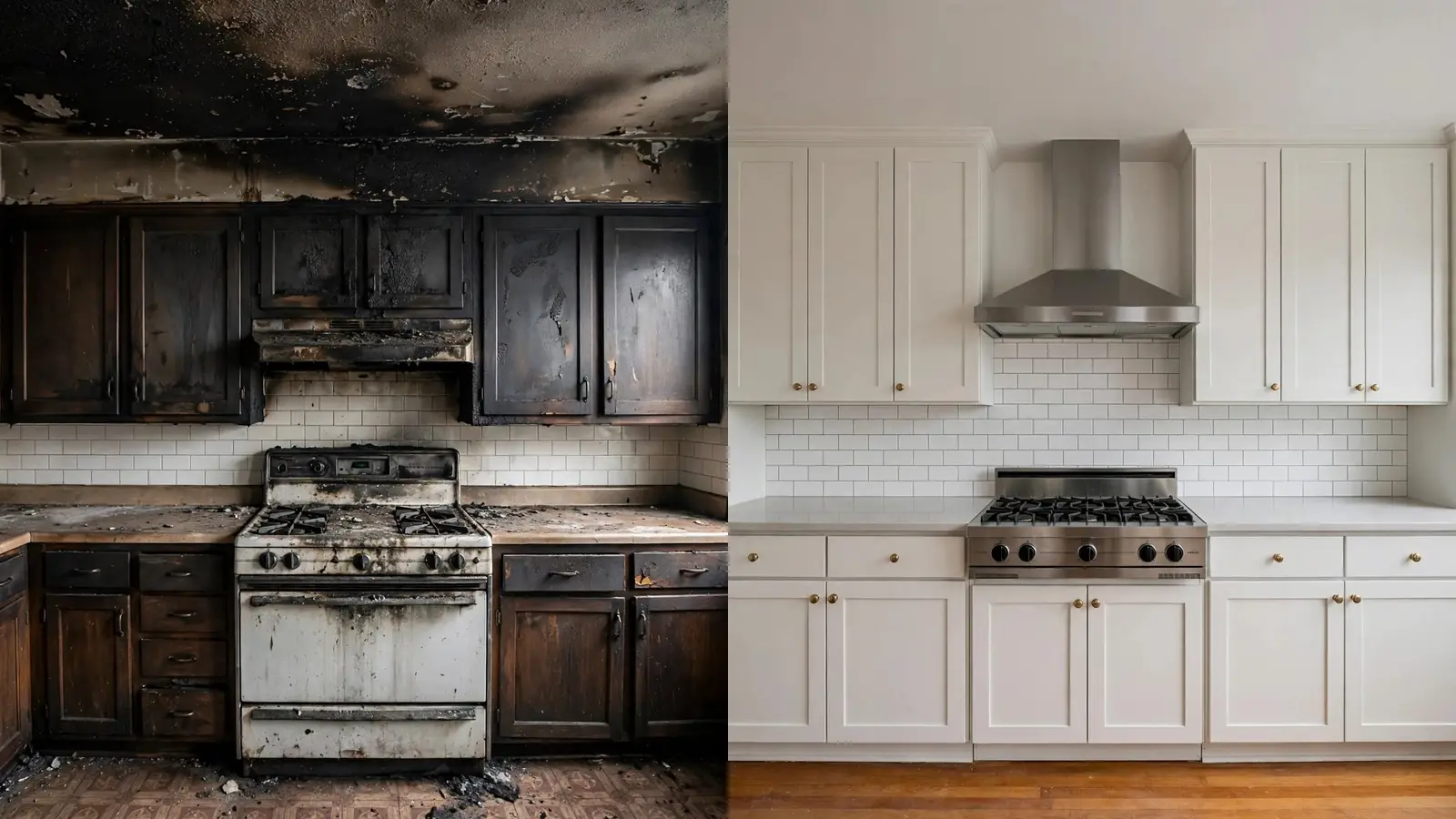
Kitchen fires in older homes
Cooking is the leading cause of home fires [8]. In a Longfellow bungalow, a fire at the stove sends smoke up toward the bedrooms and down toward the laundry and storage below.
Cabinets, the ceiling and the basement stair walls often need the heaviest cleaning.
FAQ
Smoke Damage Cleanup in Longfellow: questions
Can my Craftsman built-ins be saved after smoke damage?
Usually. Hand cleaning and light refinishing restore most built-ins.
Do I need a permit for smoke cleanup in Longfellow?
Not for cleaning. Repairs to structure and systems need city permits.
Is lead paint a concern in my bungalow?
Likely, in older layers. Lead-safe methods are needed for any sanding or scraping.
Sources and citations
- [1]U.S. Fire Administration: After a fire
- [2]IICRC: S700 Standard for Professional Fire and Smoke Damage Restoration
- [3]U.S. EPA: Protect your family from sources of lead
- [4]Minnesota Department of Commerce: Disaster Information Center
- [5]National Weather Service: Twin Cities forecast office
- [6]City of Minneapolis: Licenses, permits and inspections
- [7]Minnesota Department of Labor and Industry
- [8]NFPA: Home structure fires
- [9]Wikipedia: Longfellow, Minneapolis