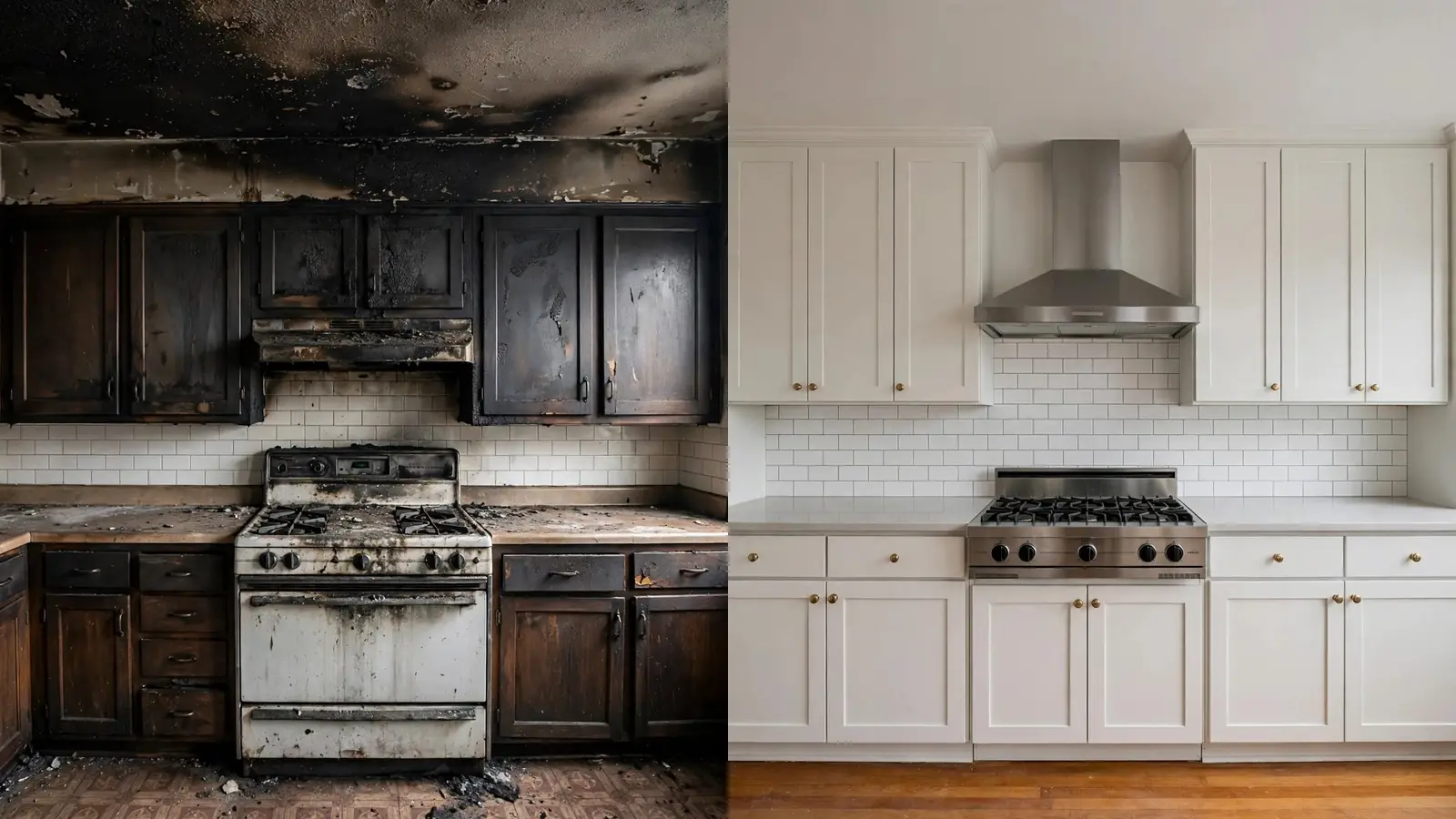
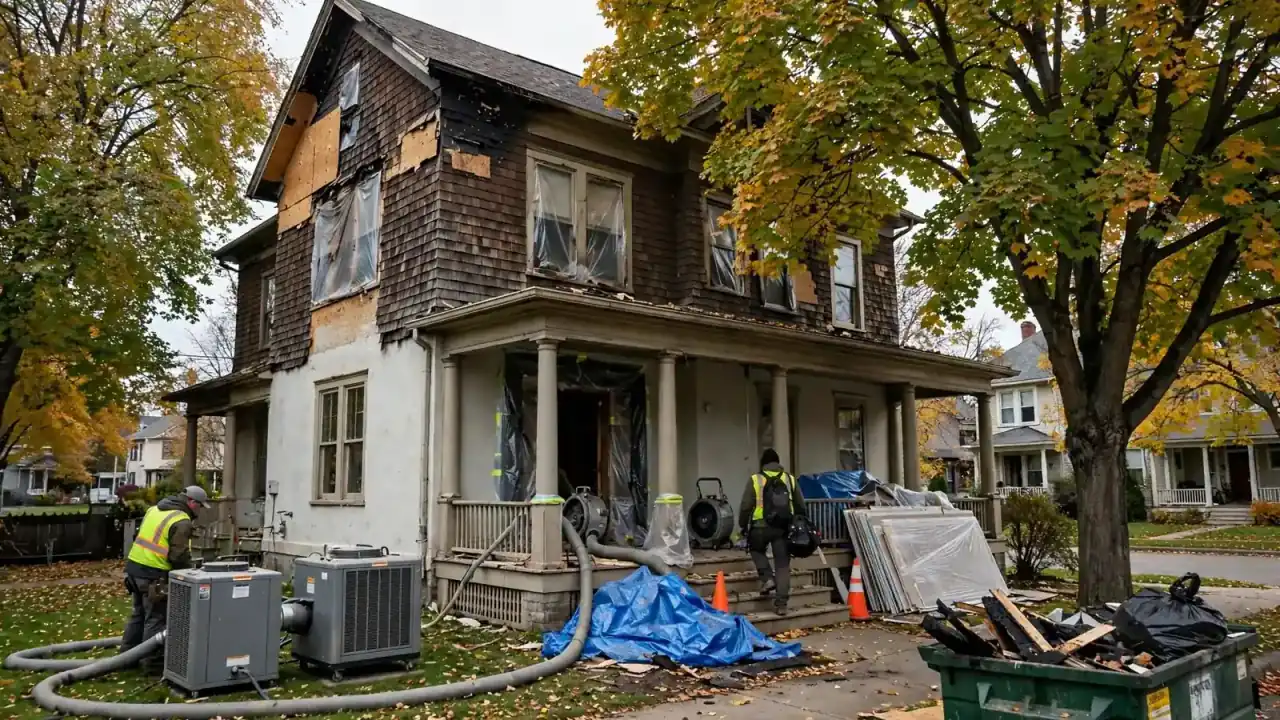
Key facts: Smoke Damage Cleanup in Kenwood
- The U.S. Fire Administration warns that soot and dirty water after a fire may hold substances that make people sick [1].
- The IICRC S700 standard covers how fire and smoke damage is assessed and cleaned [2].
- Older homes may have lead paint and materials containing asbestos that should be tested before demolition [9][10].
Several floors, one plan
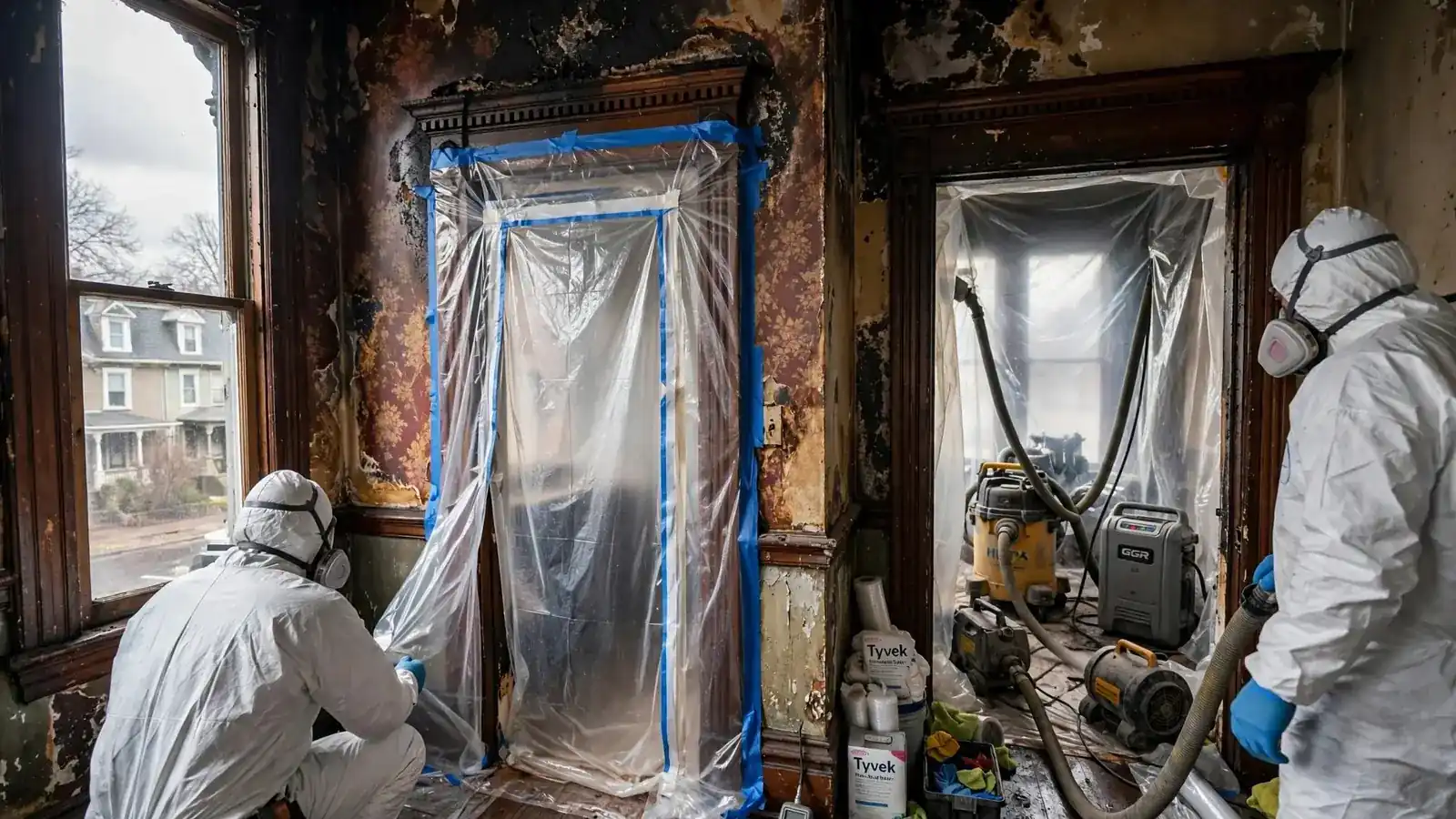
Large Kenwood houses can have three floors plus a basement and attic. Smoke rises through the main staircase and collects at the top, while lower floors carry residue near the fire. Cleaning works from the attic down so that soot loosened above does not fall on finished rooms.
A written plan by floor helps the family know which rooms will be available and when.
Plaster moldings and ceilings
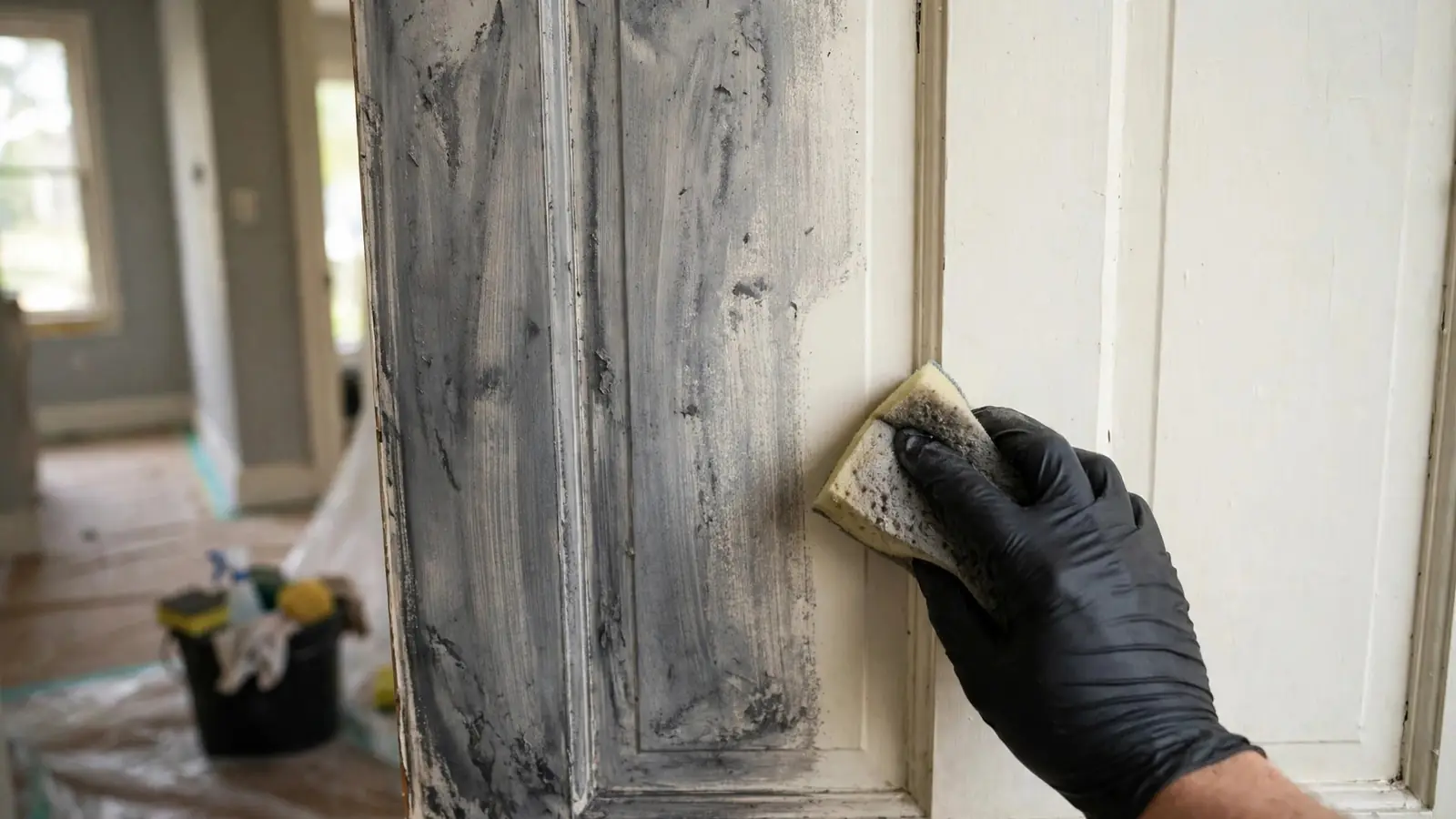
Ornate plaster cornices, ceiling medallions and moldings are features of many of these houses. Soot settles in every recess. They are cleaned with dry methods first, using soft brushes and HEPA vacuums, then gently washed. Damaged detail can be repaired by plaster specialists.
Water should be used sparingly on old plaster, which absorbs it.
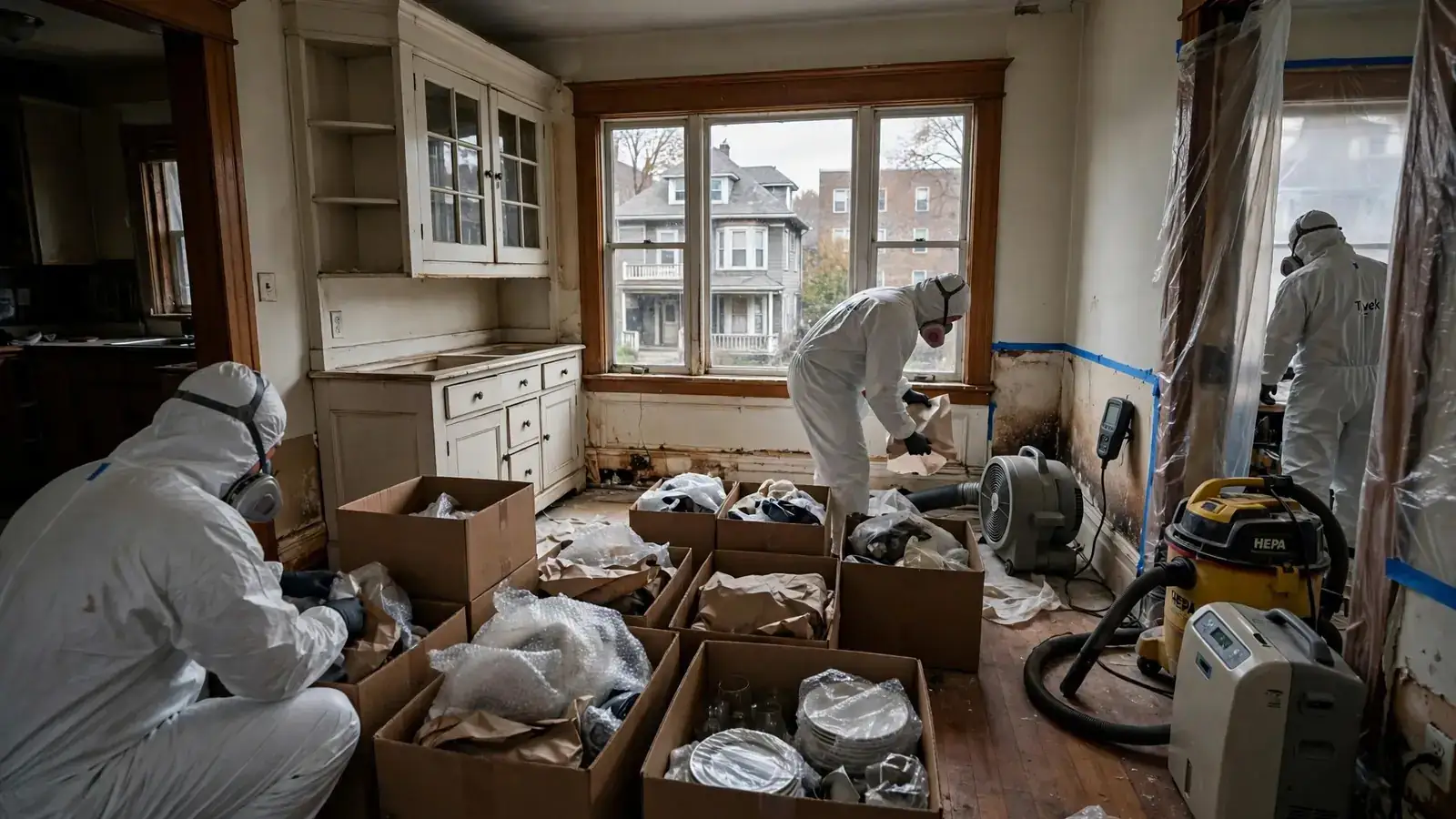
Smoke cleanup in a Kenwood house
A floor-by-floor approach.
- 1
Pack out art, furniture and textiles
Valuables are inventoried and moved to specialists.
- 2
Clean the attic and upper floor
Insulation removal and top-floor cleaning first.
- 3
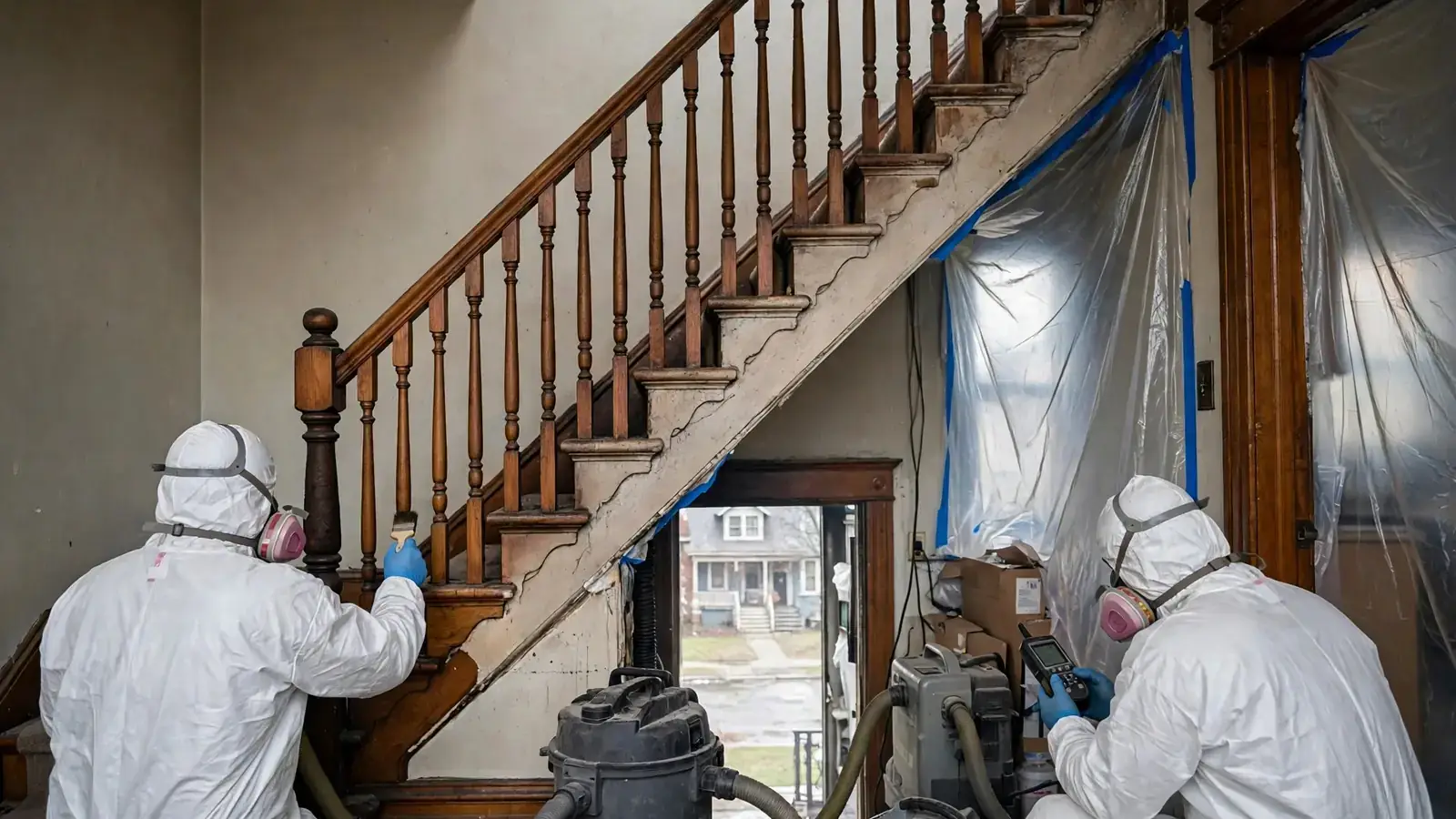
Clean staircases, woodwork and plaster
Working down through the house.
- 4
Finish the main floor and basement
Rooms nearest the fire last.
Woodwork, floors and built-ins
Carved staircases, paneling, built-in bookcases and parquet or hardwood floors are cleaned with products safe for their finishes. Some may need refinishing after cleaning. Hardware and fixtures are removed and cleaned separately.
Original finishes should be preserved where possible rather than stripped.
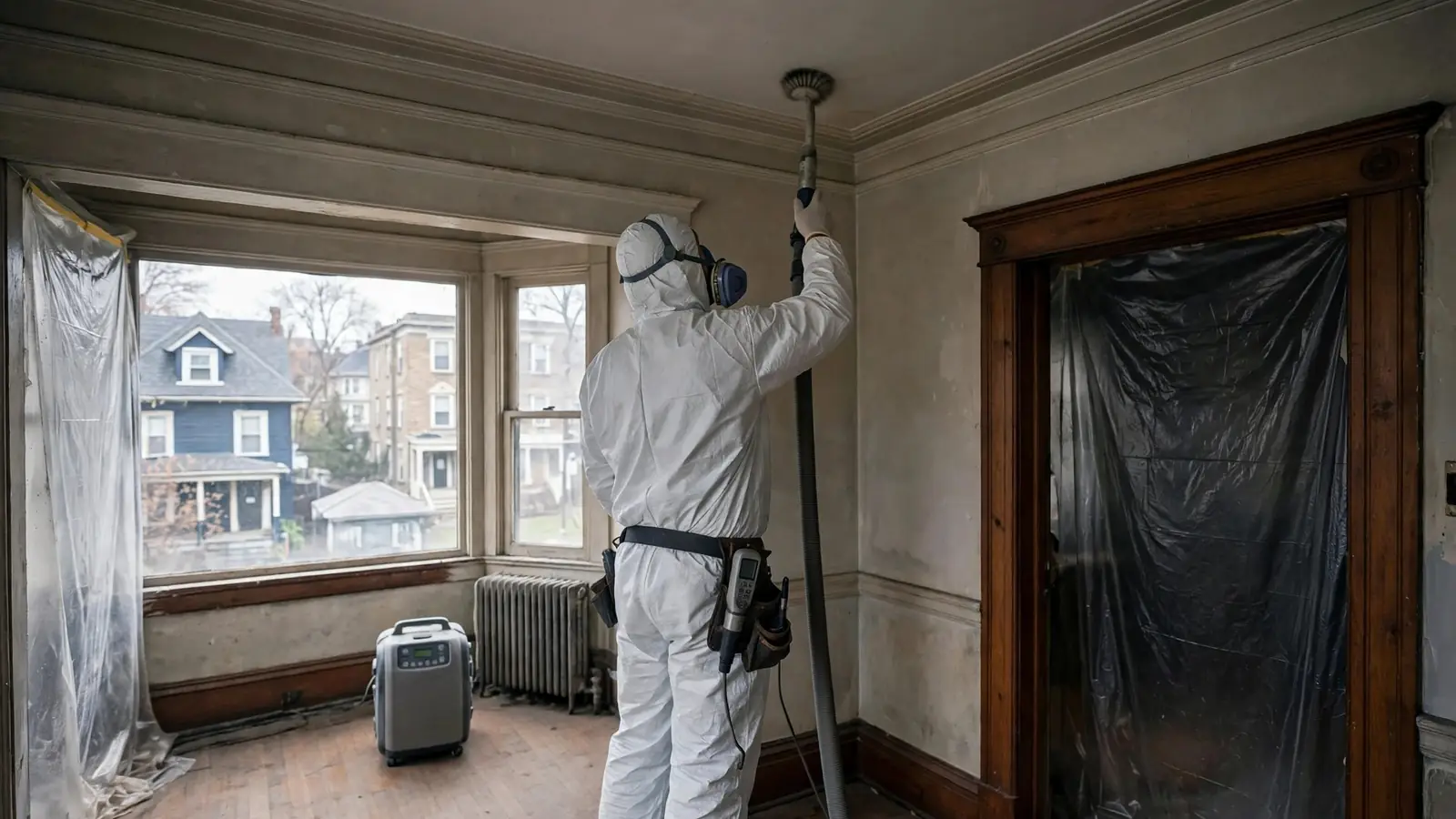
Lead and asbestos
Contents that need specialists
Common in larger homes.
- Paintings and framed worksArt conservators.
- Antique furnitureFurniture restorers.
- Oriental rugsSpecialist rug cleaners.
- Libraries and archivesDocument restoration specialists.
Kitchens and service areas
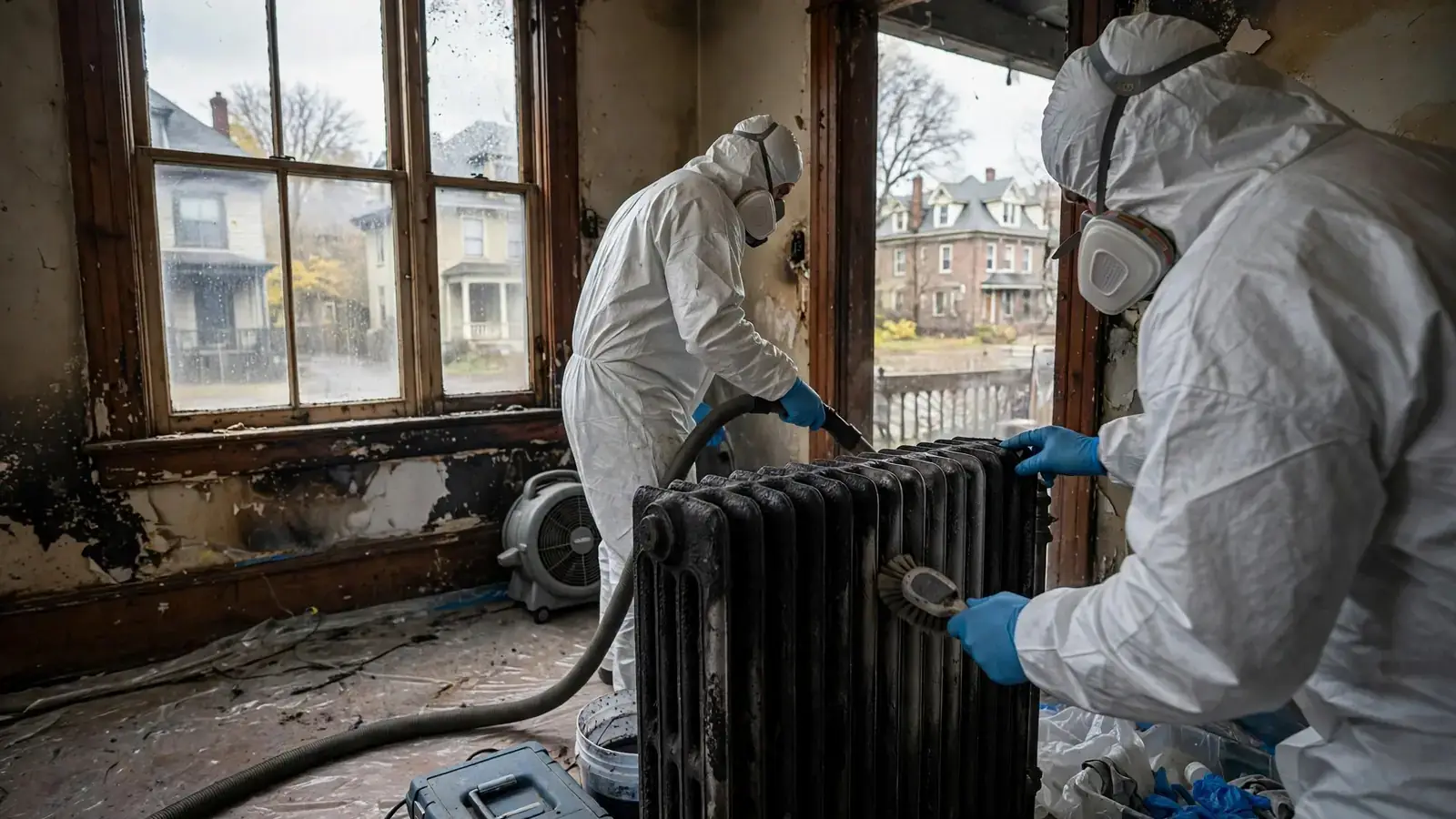
Heating, radiators and ducts
Boilers with radiators, or forced-air systems, need cleaning before winter use. Radiators hold soot in their fins; ducts carry it to every room.
Clean systems before the heat is turned on to avoid spreading residue.
Once the Kenwood cleanup is done
Remaining odor is handled with smoke odor removal. The Minnesota Department of Commerce Disaster Information Center explains claims guidance after a fire [4].
A detailed inventory of contents supports the claim for a larger home.
Third floors, ballrooms and finished attics
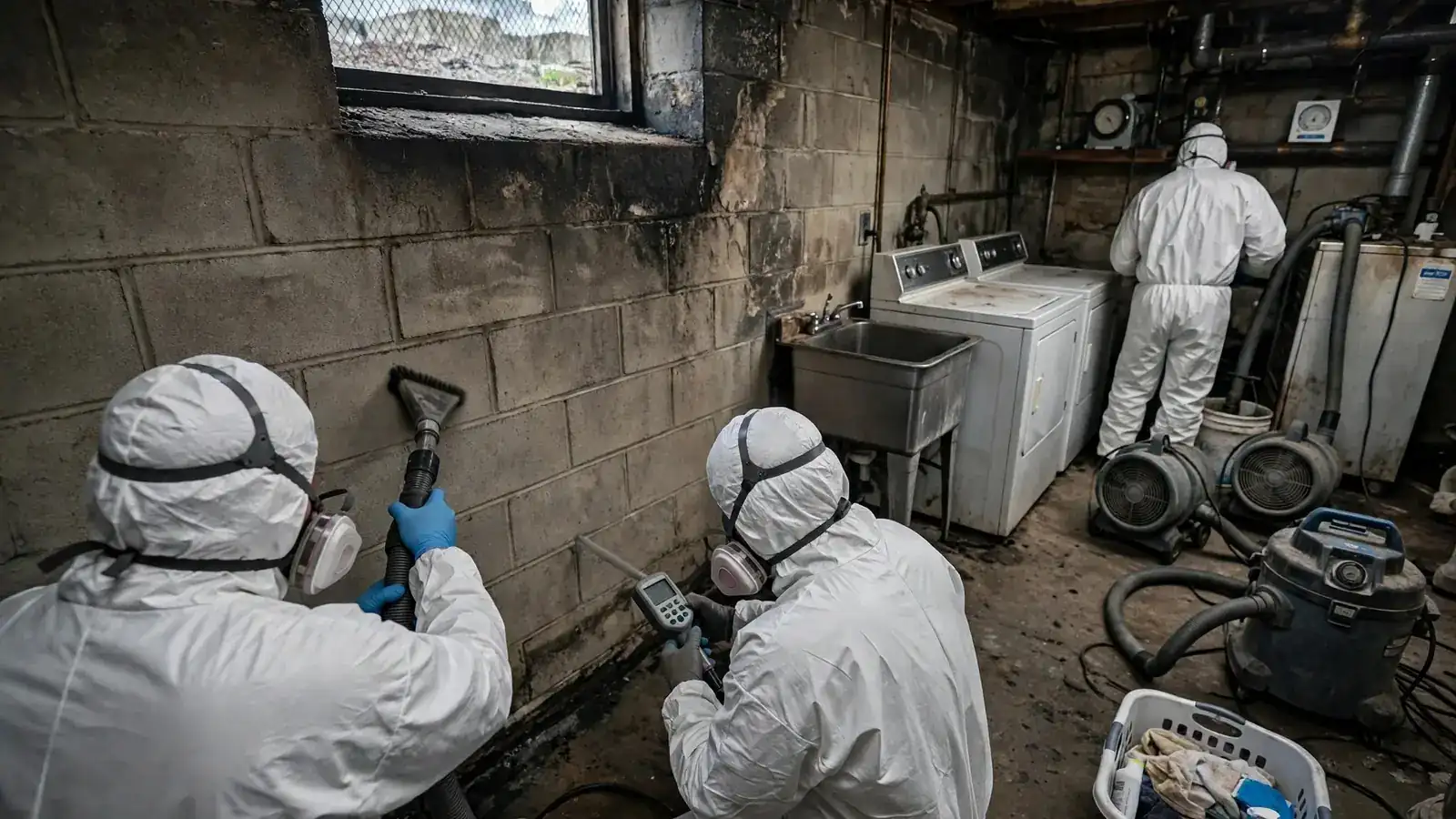
Some Kenwood houses have finished third floors or attic rooms once used as ballrooms, studios or staff quarters. Smoke rising through the house often settles most heavily here. These rooms are cleaned first, along with the attic spaces around them, before work moves down the house.
Insulation behind knee walls and under the roof is often replaced.
Windows, drapes and window seats
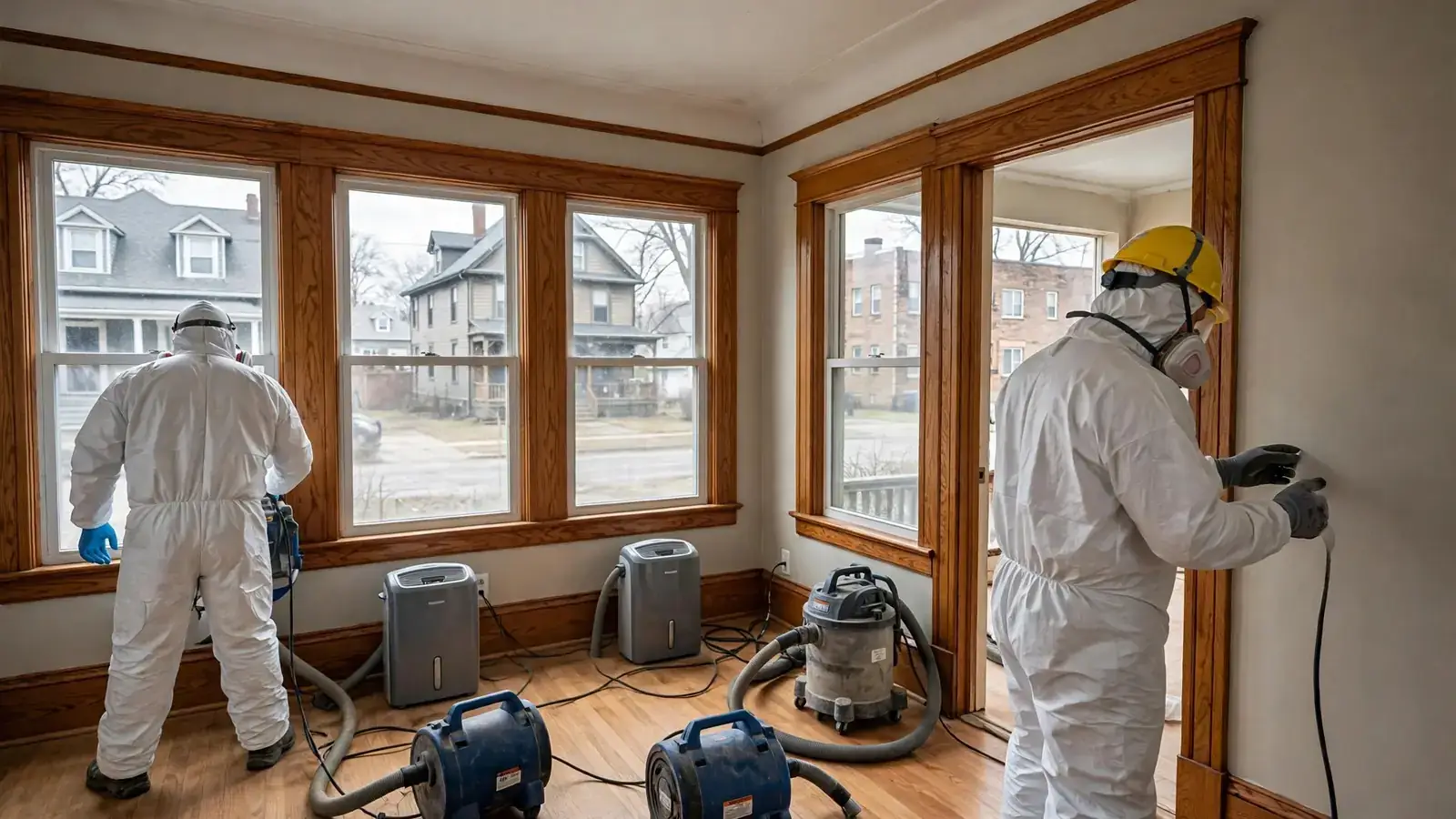
Large windows with heavy drapes and built-in window seats are common. Drapes go to specialist cleaners. Window seats are opened and their contents and interiors cleaned. Glass and sashes are cleaned, and leaded glass is handled gently.
Window treatments are often the most visible sign of smoke in a room, so cleaning them makes a big difference.
Keeping the family informed
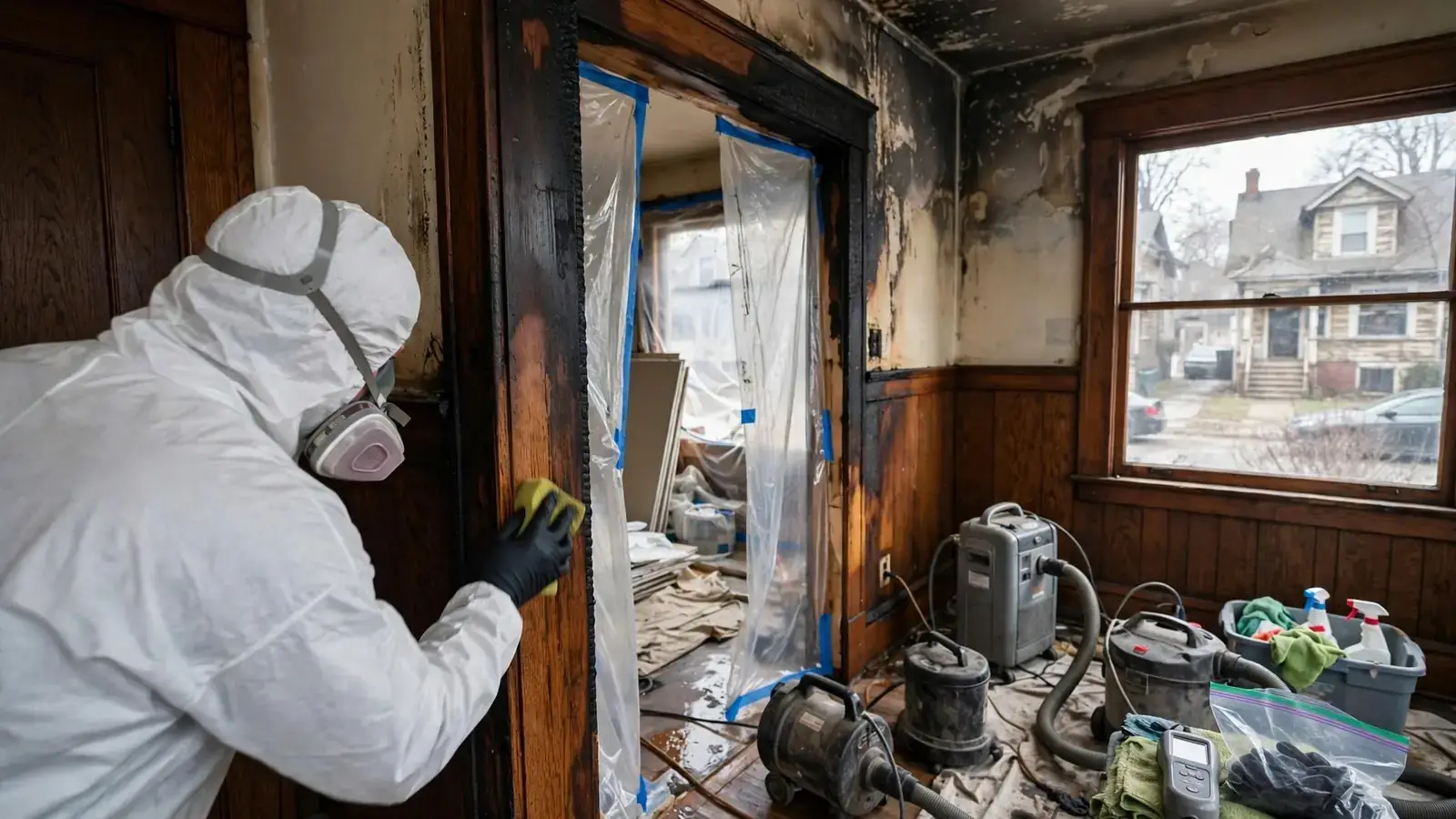
In a large house, the cleanup can take weeks. A schedule showing which floors and rooms will be worked on, and when each is expected to be finished, helps the family plan. Regular updates and photos from the contractor keep the insurer informed too.
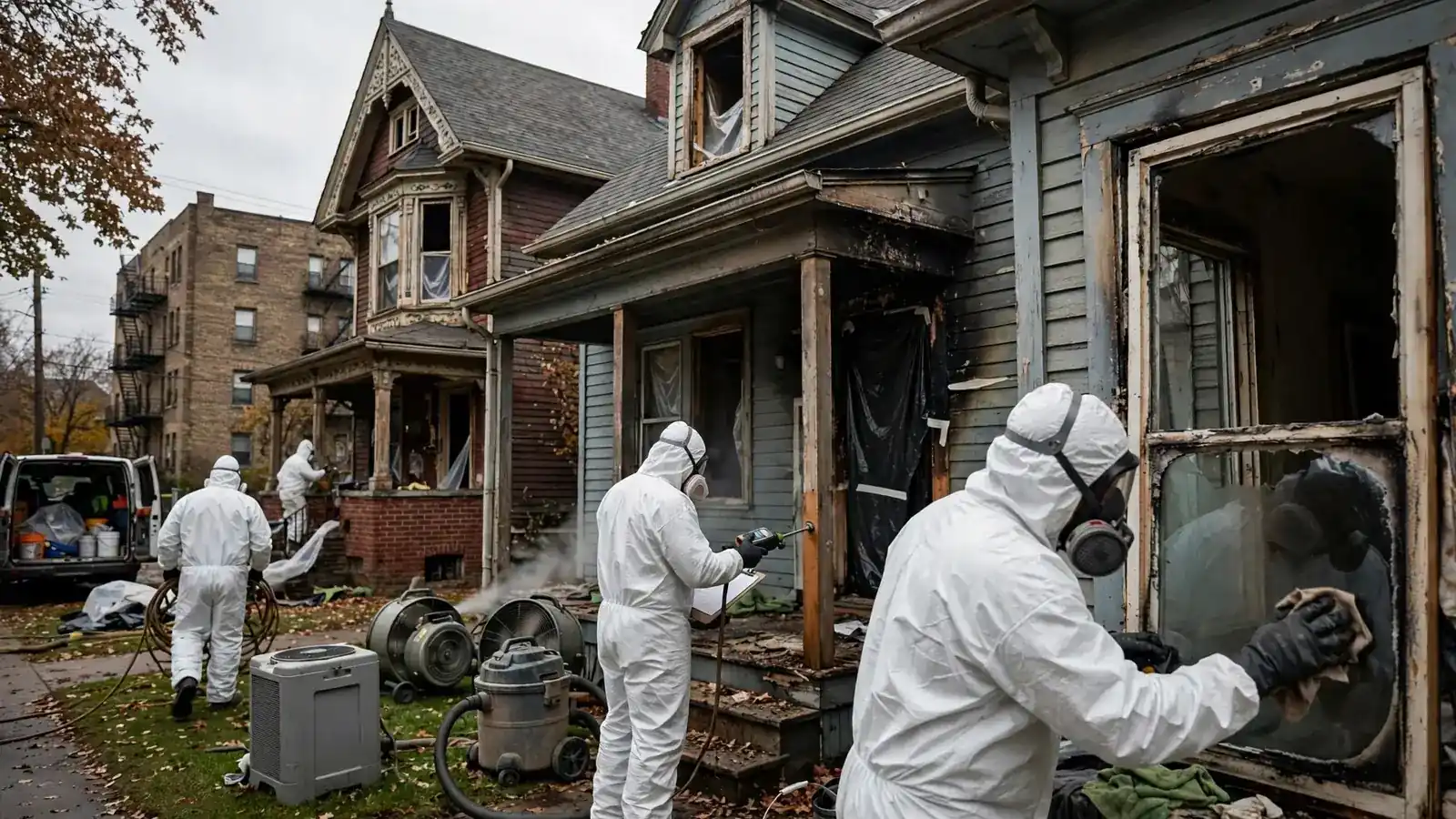
Exterior soot on brick, stone and stucco
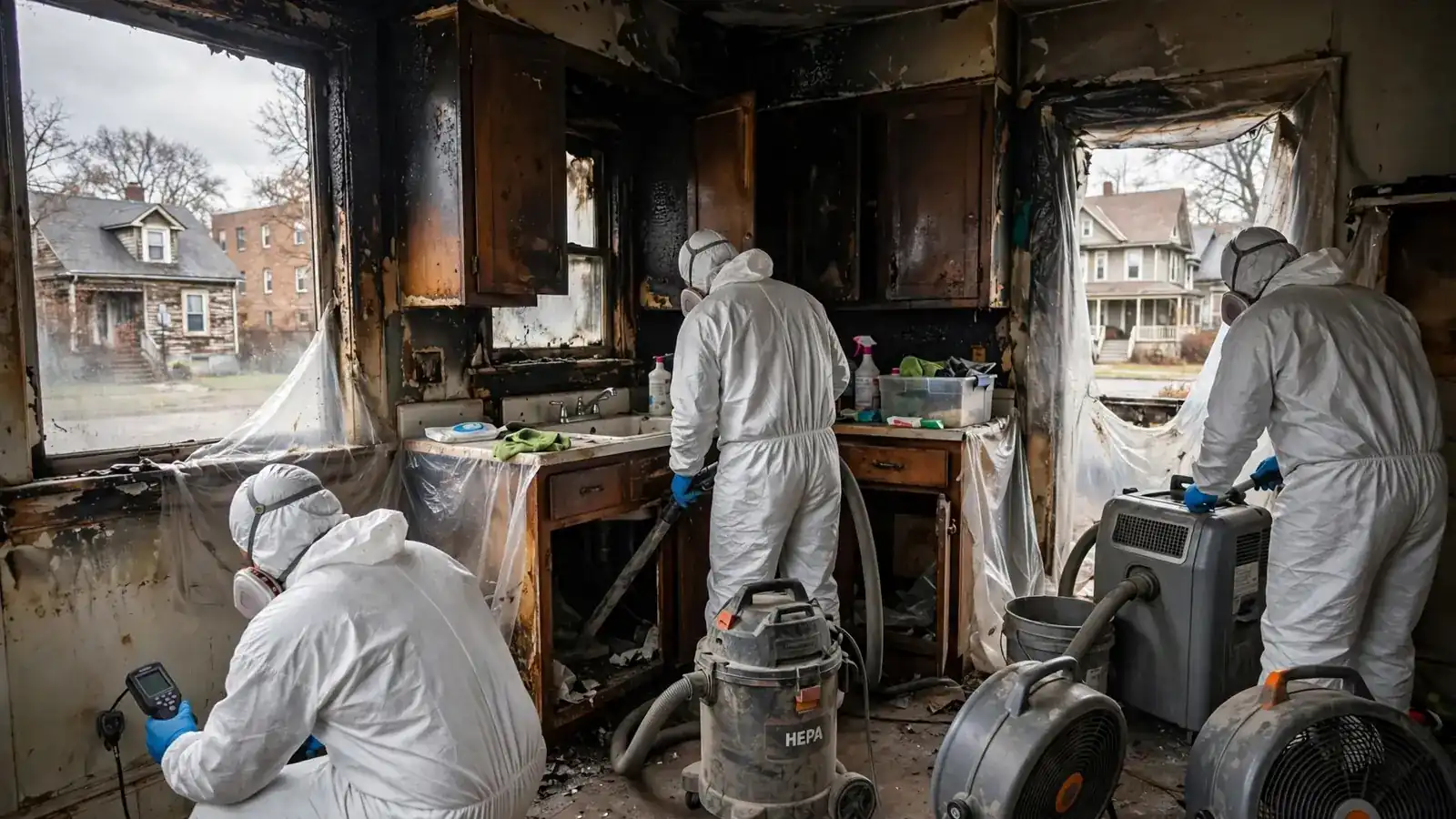
Smoke pouring from windows streaks the brick, stone or stucco above them and stains eaves and trim. Exterior masonry is cleaned with gentle detergents and low-pressure rinsing to protect the surface. Painted trim is washed and repainted where stains remain. Historic exteriors may also need city review for permanent changes.
Testing a hidden patch first shows what will lift the soot without harming the surface.
Contents inventory for a large home
A detailed inventory, room by room, lists each item's condition and what happened to it: cleaned on site, sent to a specialist, stored or discarded. For a house with many valuable contents, this record is the backbone of the claim and helps everything return to the right room.
FAQ
Smoke Damage Cleanup in Kenwood: questions
Can ornate plaster be cleaned without damage?
Yes, with dry methods and soft brushes first and gentle washing after. Specialists repair damaged detail.
Who cleans valuable art and antiques?
Conservators and specialist restorers, not general crews.
Do repairs need a permit?
Many structural, electrical and mechanical repairs in Minneapolis do [6].
Sources and citations
- [1]U.S. Fire Administration: After a fire
- [2]IICRC: S700 Standard for Professional Fire and Smoke Damage Restoration
- [3]U.S. EPA: Protect your family from sources of lead
- [4]Minnesota Department of Commerce: Disaster Information Center
- [5]National Weather Service: Twin Cities forecast office
- [6]City of Minneapolis: Licenses, permits and inspections
- [7]Minnesota Department of Labor and Industry
- [8]NFPA: Home structure fires
- [9]U.S. EPA: Protect your family from sources of lead
- [10]U.S. EPA: Protect your family from exposures to asbestos