Key facts: Smoke Damage Cleanup in Nokomis
- Nokomis East is the shared name for the Keewaydin, Minnehaha, Morris Park and Wenonah neighborhoods [9].
- NFPA research tracks cooking as a leading cause of home structure fires in the United States [8].
- Smoke-damaged paint in homes built before 1978 should be handled with lead-safe methods, as the EPA explains [3].
How smoke moves through a Nokomis house
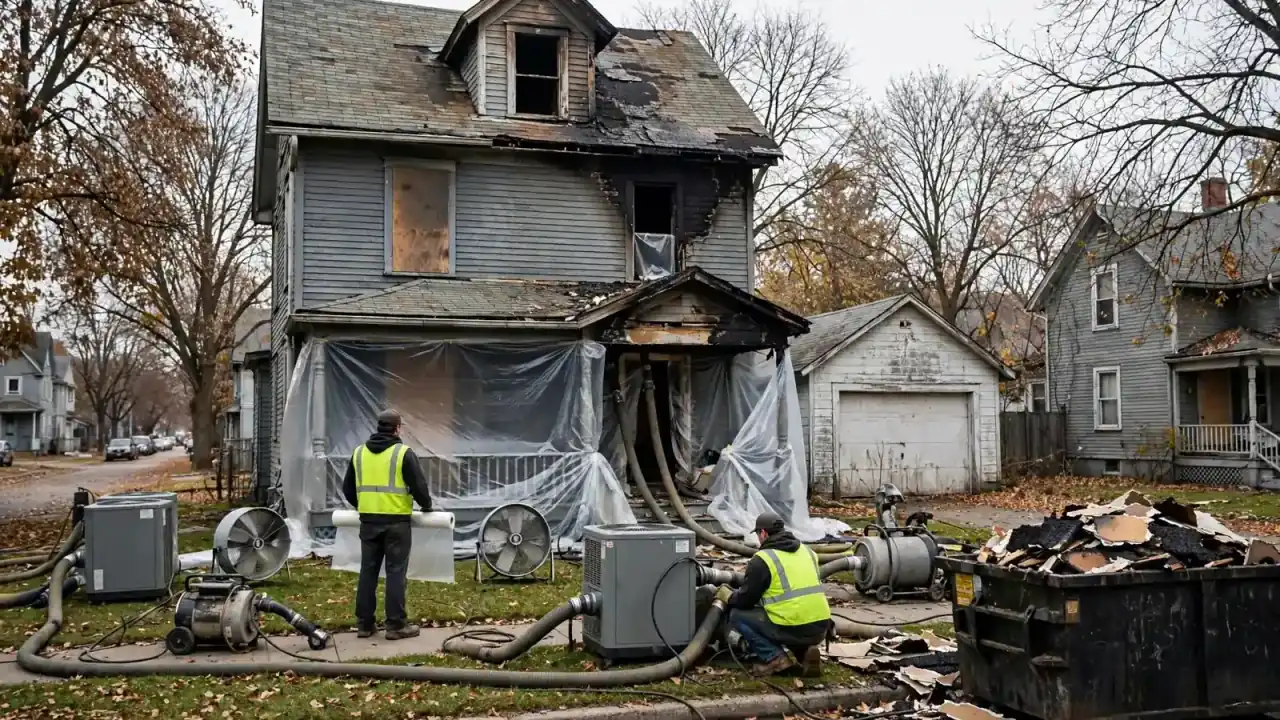
Nokomis homes are compact, with a main floor, a half story or attic above and a full basement below. A fire on the main floor sends hot smoke straight up the open stairway into the sloped upstairs rooms. A basement fire sends it up the basement stairs and through floor registers. Either way, smoke reaches every level within minutes.
As it cools, smoke settles on walls, ceilings and anything in its path. It leaves grey lines along baseboards and fan shapes above outlets where air moved through wall cavities. The contractor maps those marks room by room, which shows where cleaning is needed and where residue may be hidden inside the walls.
Small back kitchens and cooking residue
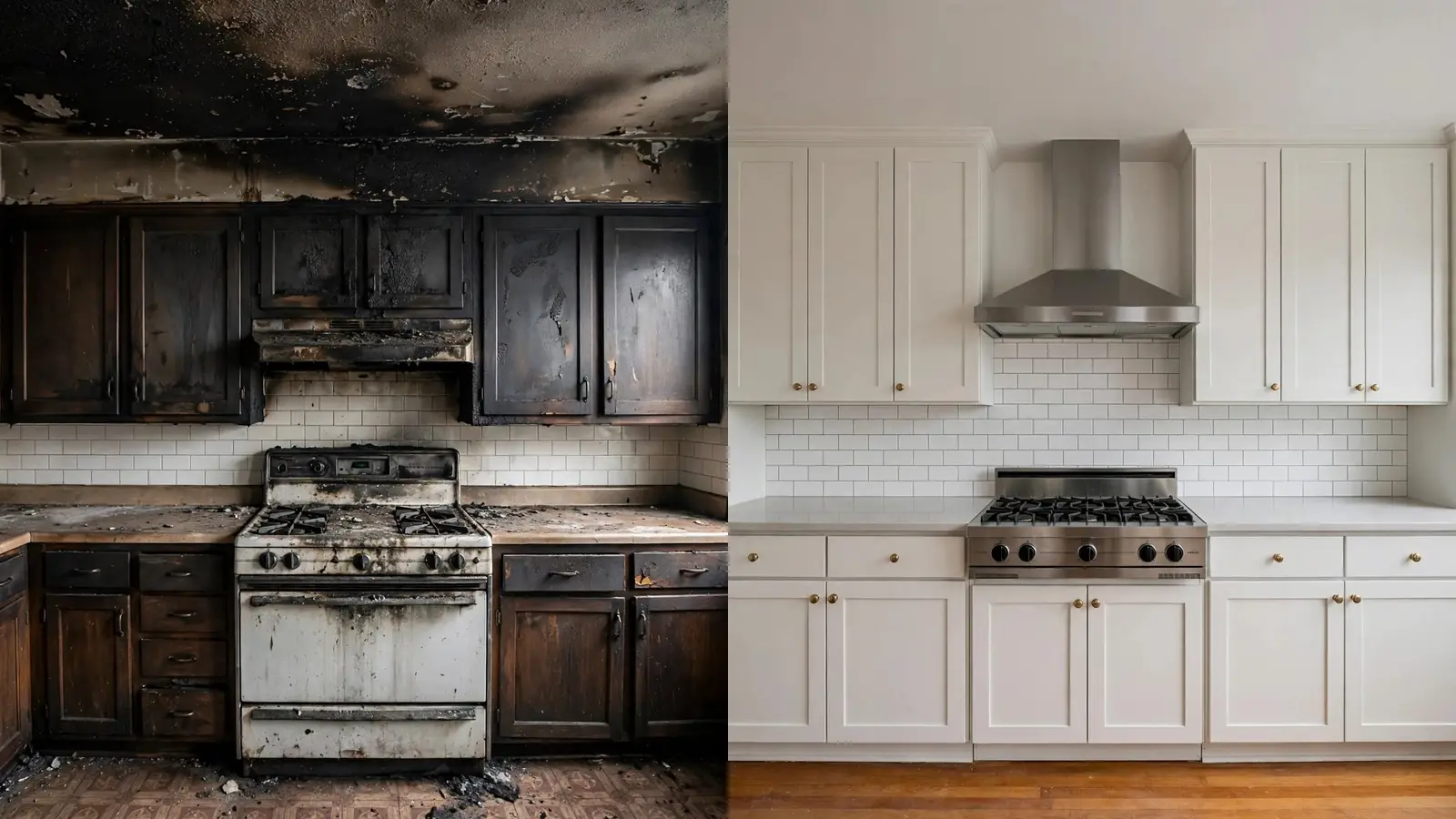
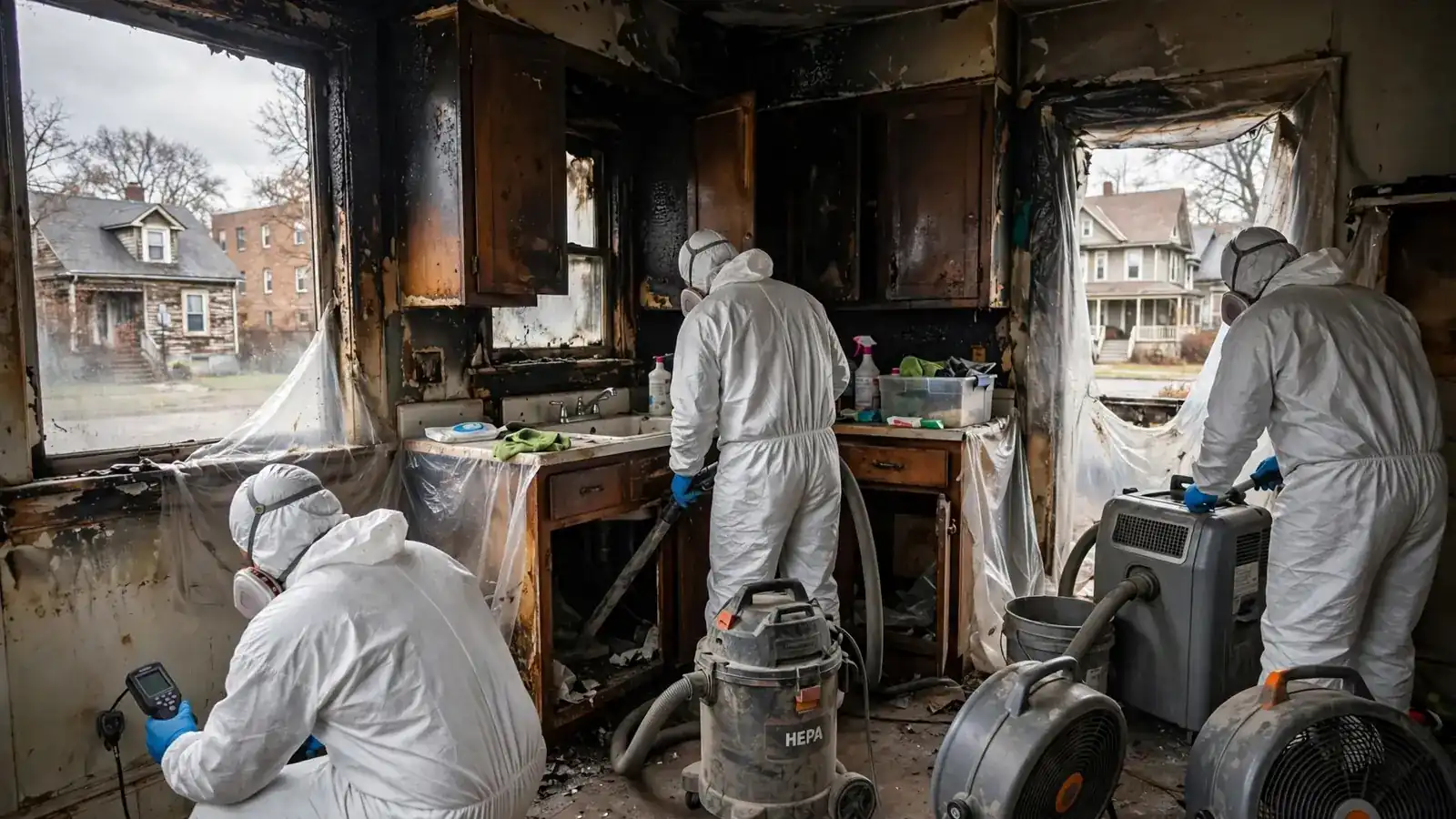
Kitchens in many Nokomis bungalows are small and sit at the back of the house. A stovetop fire there fills the main floor with smoke and pushes it upstairs. Burned food leaves protein residue, a thin, yellowish film that is hard to see but smells strong. It coats cabinets, walls, ceilings and the inside of drawers.
Cleaning protein residue takes products made for it, applied to every surface, including inside cabinets and behind appliances. Cabinets right next to the range may be too damaged to clean. The ceiling and walls are washed, then sealed before paint so the smell does not come back through the new finish.
Cleaning smoke from a Nokomis home
A typical order of work for these houses.
- 1
Check the Nokomis house for safety first
Confirm the fire department release, power, gas and floor strength before work starts.
- 2
Protect and move contents
Pack, clean or store belongings so rooms can be cleaned fully.
- 3
Clean from the half story down
Upstairs ceilings and walls first, then the main floor, then the basement.
- 4
Seal and refinish where needed
Seal cleaned surfaces and repaint or refinish once odor is gone.
Nokomis plaster under sloped upstairs ceilings
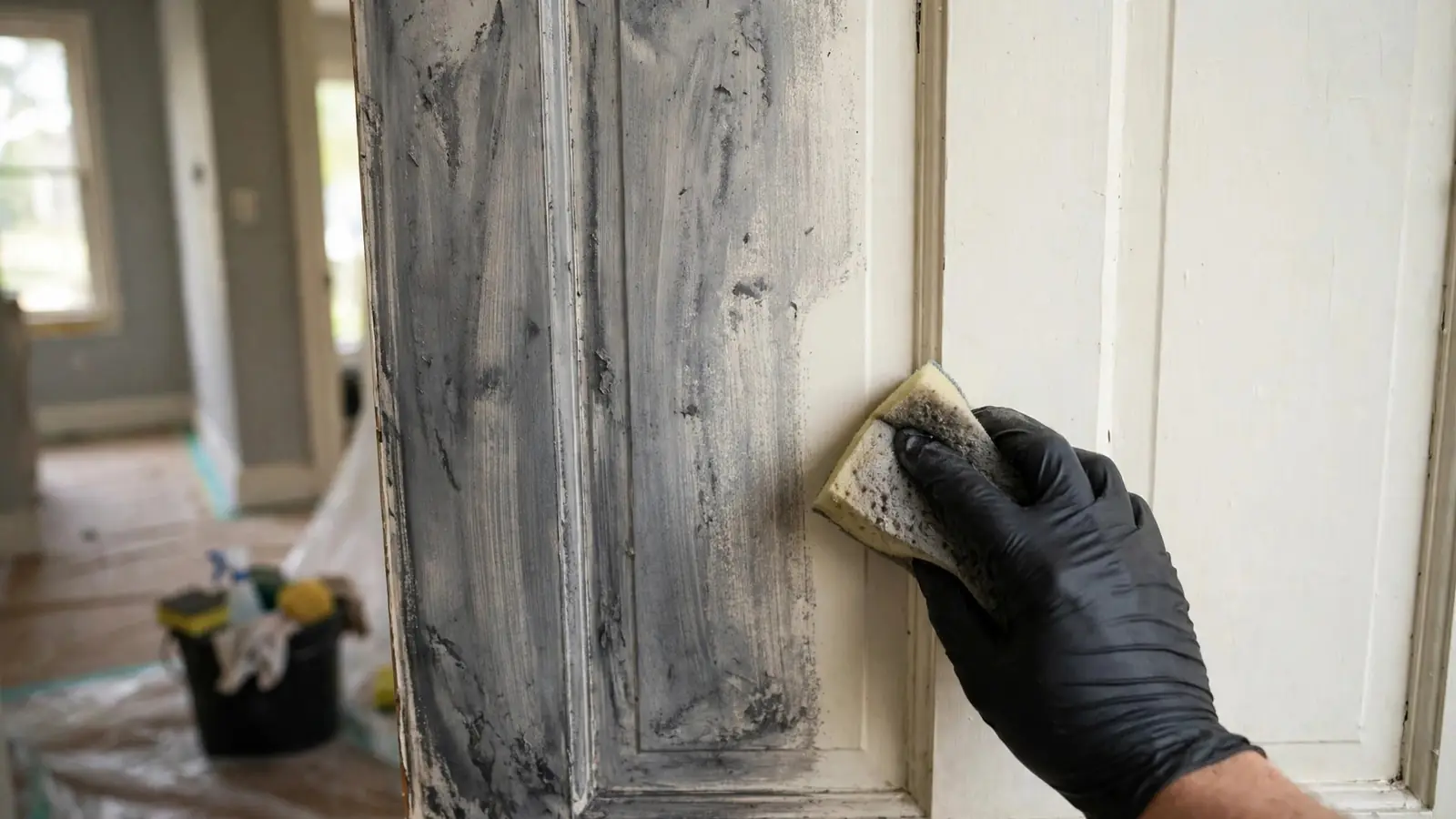
Most Nokomis homes have plaster walls and ceilings. Plaster is hard and cleans well if the soot is removed dry first, with dry sponges or a HEPA vacuum, before any wet cleaning. Wiping wet soot across plaster smears it into the surface and makes the job harder. The sloped ceilings upstairs need the same care, and often scaffolding or a stable platform.
If plaster is cracked or soaked by firefighting water, it may need repair. Small cracks can be patched, while sagging ceilings may need to come down. The contractor checks each ceiling before anyone works below it, since a heavy wet ceiling can fall.
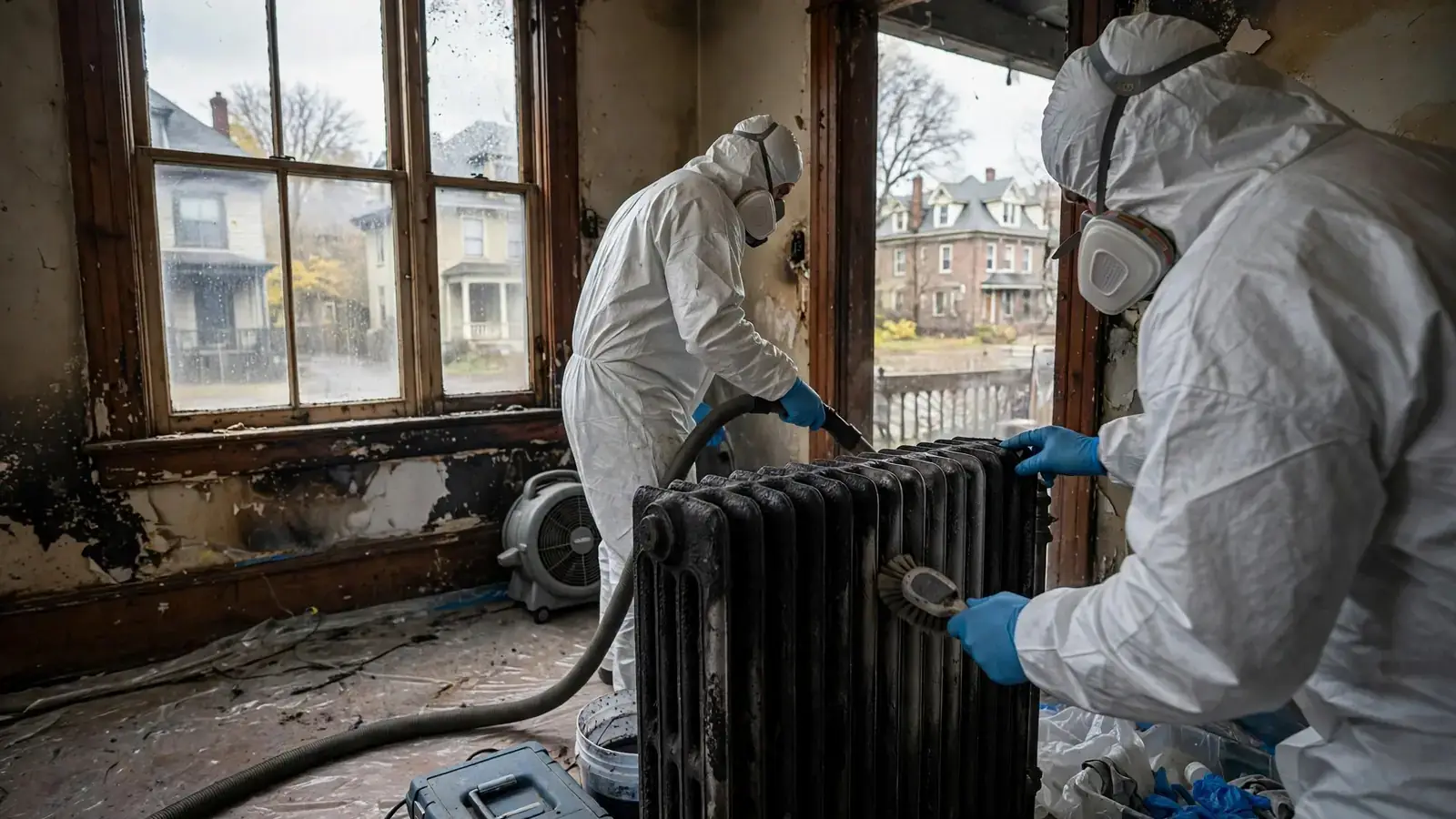
Oak floors and wood trim
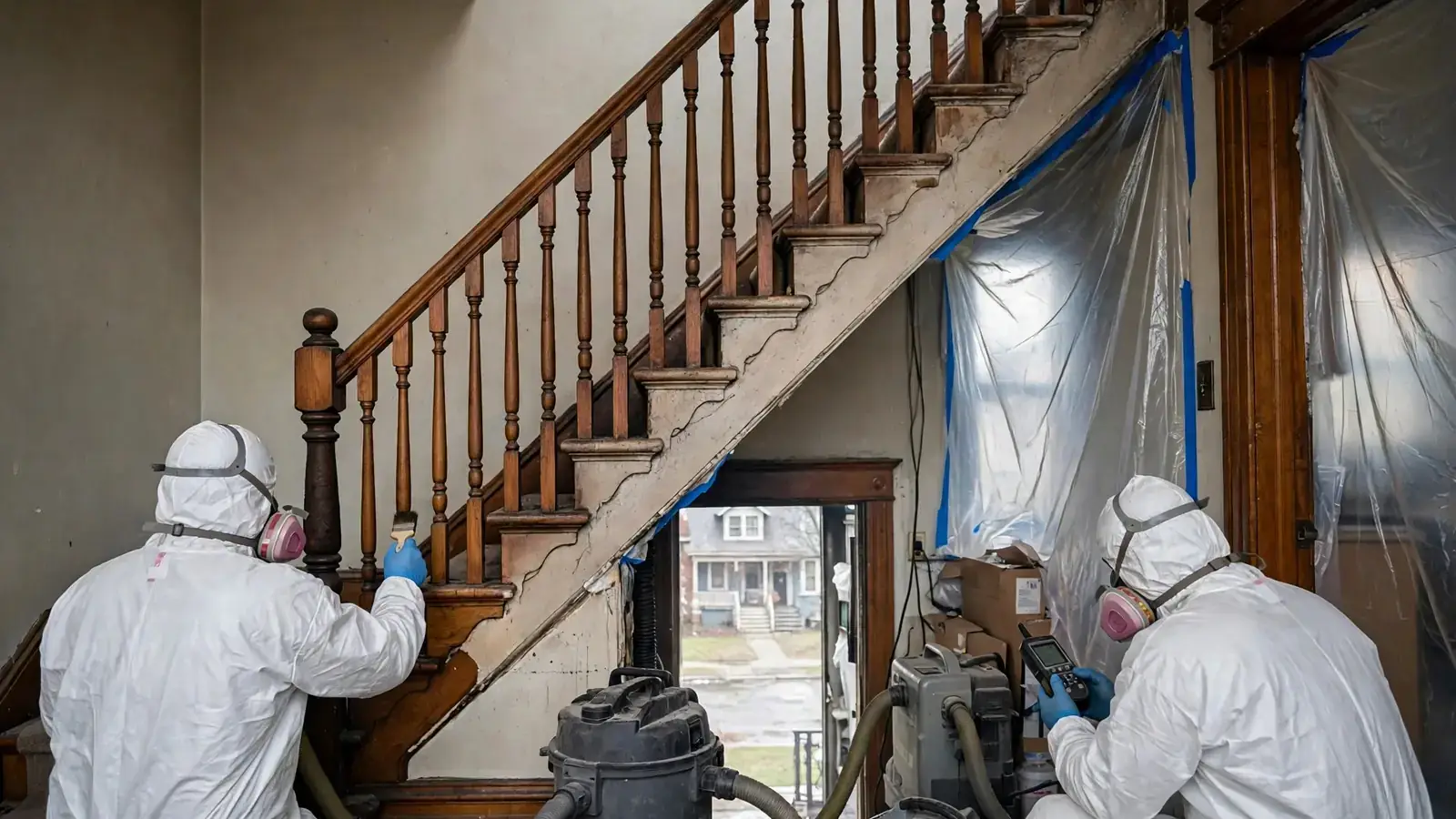
Older Nokomis homes often have oak floors and stained or painted wood trim. Stained trim is cleaned gently and may need refinishing if the finish darkened in the heat. Painted trim is cleaned and repainted. Because many houses predate 1978, painted surfaces may have lead under newer layers, so any sanding or scraping follows lead-safe methods [3].
Oak floors collect smoke in the gaps between boards. They are vacuumed, cleaned with care and often refinished. If carpet was laid over the oak, it usually comes out after a fire, and the floor underneath may turn out to be in good shape.
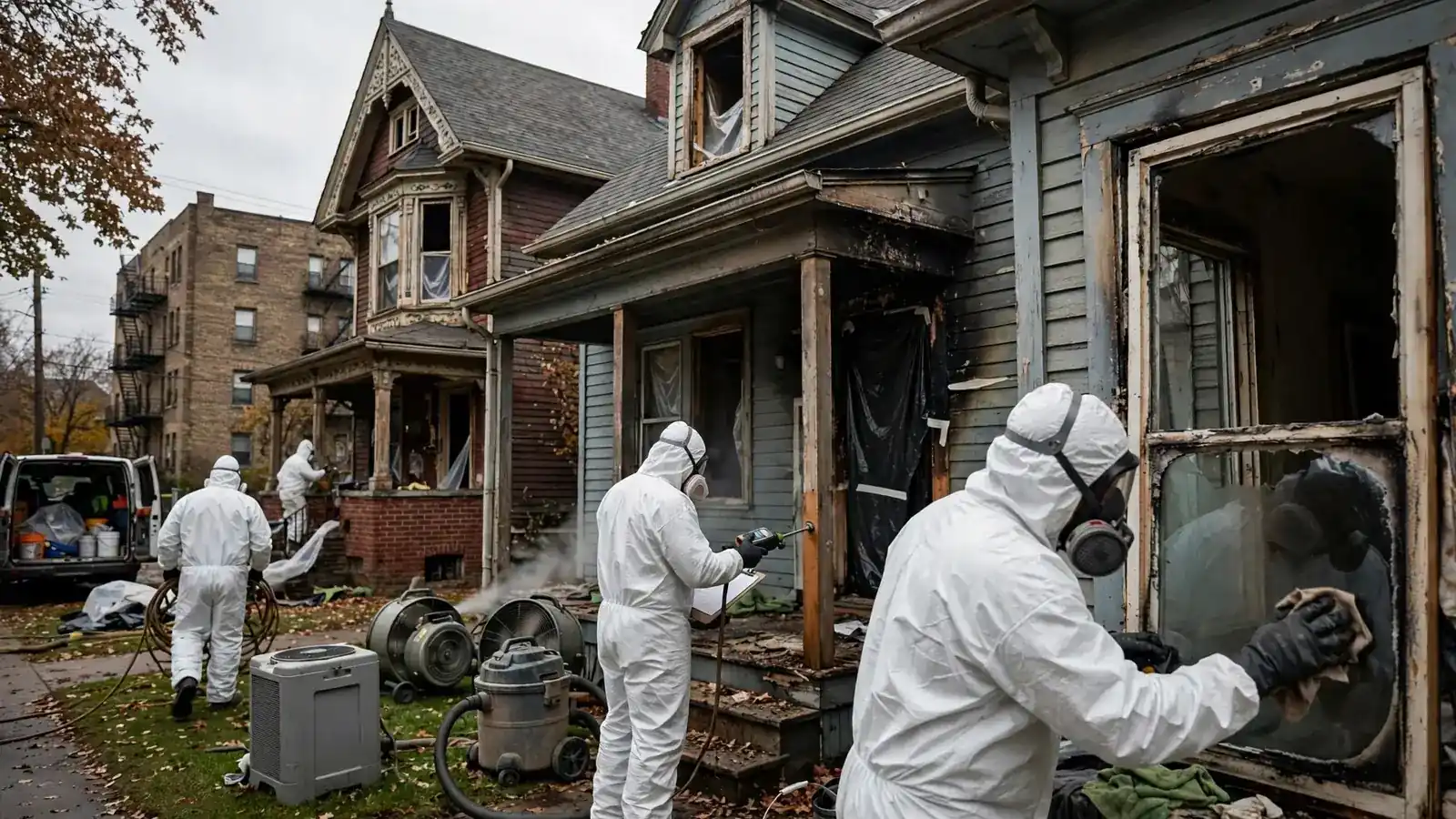
Smoke in the basement under the house
Even when the fire was upstairs, the basement often takes smoke through the stairway and ducts. When the fire started in the basement, the damage is heavier: soot on the joists, subfloor, walls and stored items. The ceiling of the basement is often cleaned by soda or dry ice blasting, then sealed with a primer that locks in remaining odor.
Stored belongings are sorted, cleaned or listed for disposal. The furnace, water heater, laundry appliances and electrical panel all need checking before use. If any of them caused the fire, keep them until the insurer says they can go.
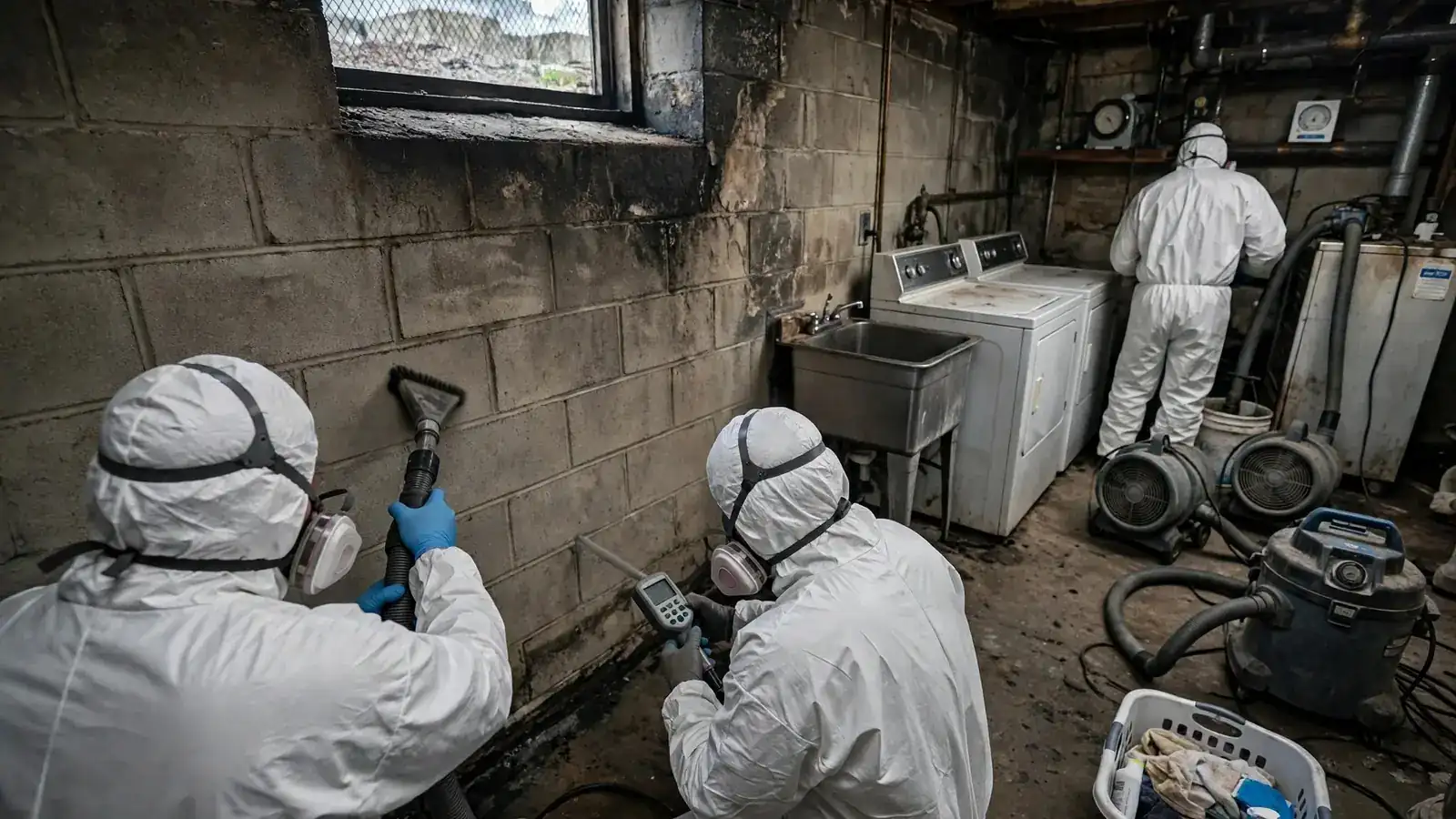
Surfaces in Nokomis homes that need special care
What the contractor will treat differently.
- Nokomis plaster ceilingsDry soot removal before any wet cleaning.
- Stained oak and fir trimGentle cleaning, then refinishing if darkened.
- Painted trim from before 1978Lead-safe handling for any scraping or sanding.
- Brick and stucco on the outsideMasonry-style cleaning above windows that vented smoke.
The outside of the house
When smoke and flames vent from a window, they streak the wall above it and darken the eaves. Nokomis houses are finished in stucco, brick, wood siding or later vinyl and steel. Stucco and brick hold soot in their texture but clean up well with the right methods. Wood siding with blistered paint is scraped and repainted. Warped vinyl is usually replaced.
Houses stand close together on many blocks. If your home was smoked by a neighbor's fire, the side facing that house may need cleaning even if nothing inside was touched. Check the rooms and attic on that side for smell as well.
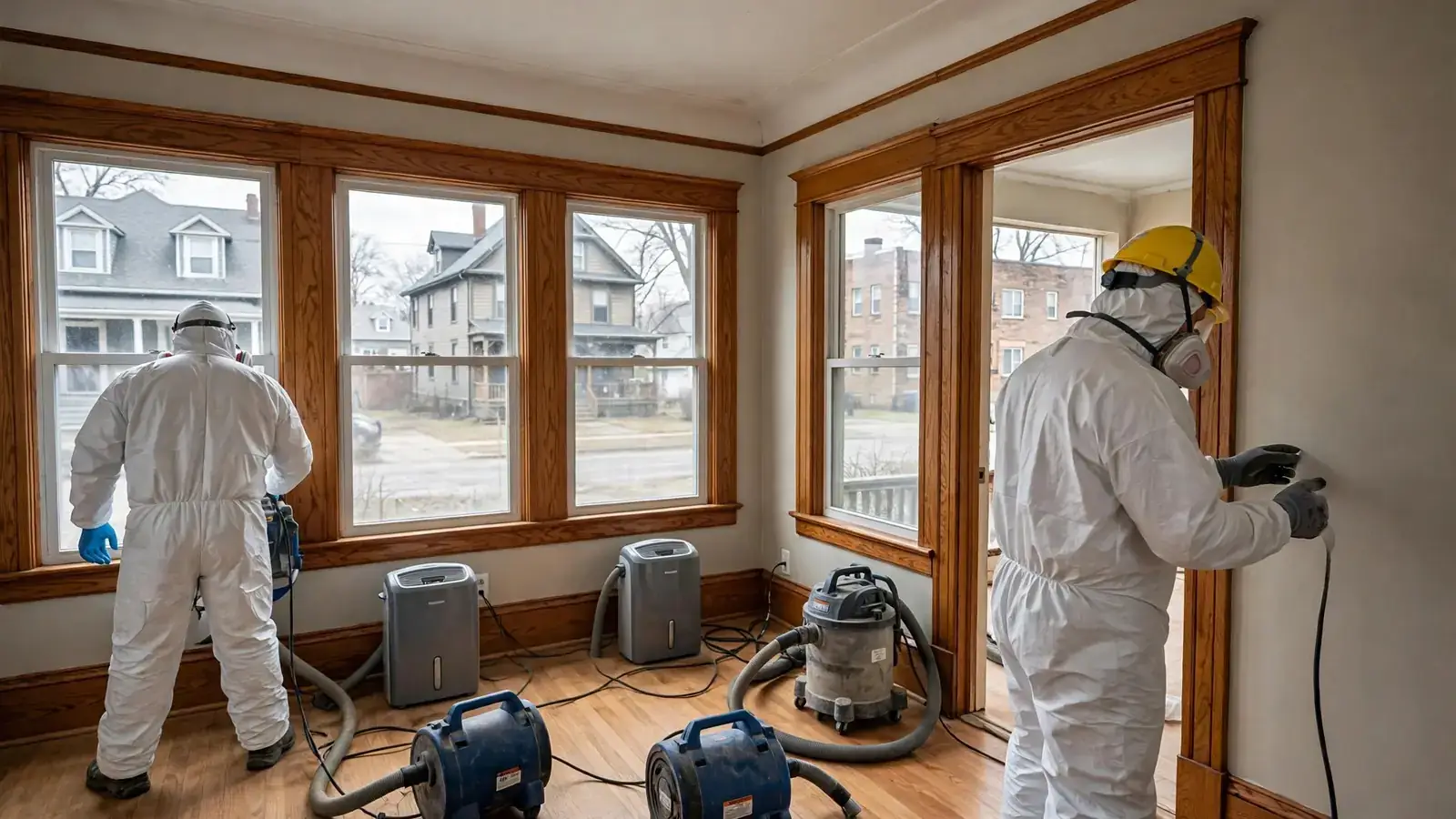
Permits and the repair phase
Cleaning itself does not usually need a permit, but repairs that follow often do. Electrical, mechanical, plumbing and structural work in Minneapolis goes through the city's licenses, permits and inspections services [6]. After a basement fire, that often includes the panel, dryer vent and furnace.
For the repair work, ask about the contractor's Minnesota residential contractor licence, which is issued through the Department of Labor and Industry [7]. You can check it on the department's website. The Nokomis area page has more on permits for houses in this part of the city.
Cold weather and cleanup timing
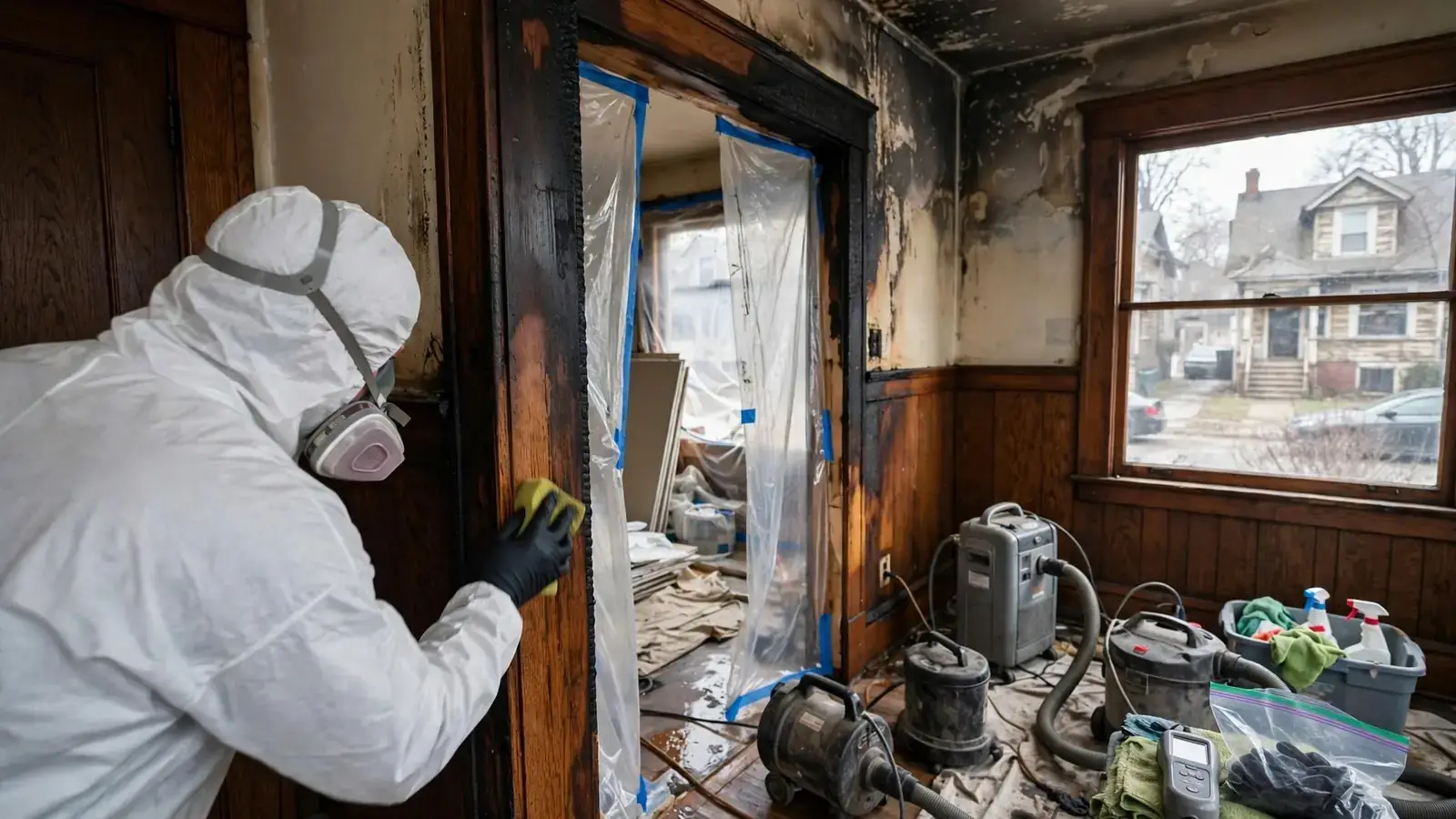
In winter, smoke cleanup in Nokomis often has to wait until the house is safe from freezing. If the fire knocked out the heat, temporary heat or draining the plumbing comes first. The National Weather Service office for the Twin Cities posts cold-weather forecasts that help set the pace [5].
Once the house is warm and dry, cleaning can proceed. Dehumidifiers may run alongside to dry any firefighting water, especially in the basement. Ask the contractor for a phase-by-phase timeline so you can plan where to stay.
Keeping a record for your claim
Take photos of every room before cleaning, including closets, the upstairs knee-wall spaces, the basement and the garage. Ask the contractor for a written list of what was cleaned, what was removed and why. The Minnesota Department of Commerce encourages homeowners to review their policy and keep good records [4].
Our guide on what to do after a house fire covers the first days, and the guide to working with your insurance adjuster explains how to keep the claim organized.
FAQ
Smoke Damage Cleanup in Nokomis: questions
How long does smoke cleanup take in a Nokomis house?
It depends on where the fire started and how far smoke spread. A small kitchen fire may take days; a basement fire with smoke in every room may take weeks. Ask for a timeline by phase.
Can I clean light smoke residue myself?
Light residue on hard surfaces can sometimes be cleaned with dry sponges, but wet wiping can smear soot. For anything more than a light film, a professional crew is safer.
Does a Nokomis basement need cleaning after an upstairs fire?
Often yes. Smoke travels through the stairway and ducts, and firefighting water may have reached it. The contractor checks it as part of the job.
Sources and citations
- [1]U.S. Fire Administration: After a fire
- [2]IICRC: S700 Standard for Professional Fire and Smoke Damage Restoration
- [3]U.S. EPA: Protect your family from sources of lead
- [4]Minnesota Department of Commerce: Disaster Information Center
- [5]National Weather Service: Twin Cities forecast office
- [6]City of Minneapolis: Licenses, permits and inspections
- [7]Minnesota Department of Labor and Industry
- [8]NFPA: Home structure fires
- [9]Wikipedia: Nokomis, Minneapolis