Key facts: Smoke Damage Cleanup in Marcy-Holmes
Cleaning every unit, not just one
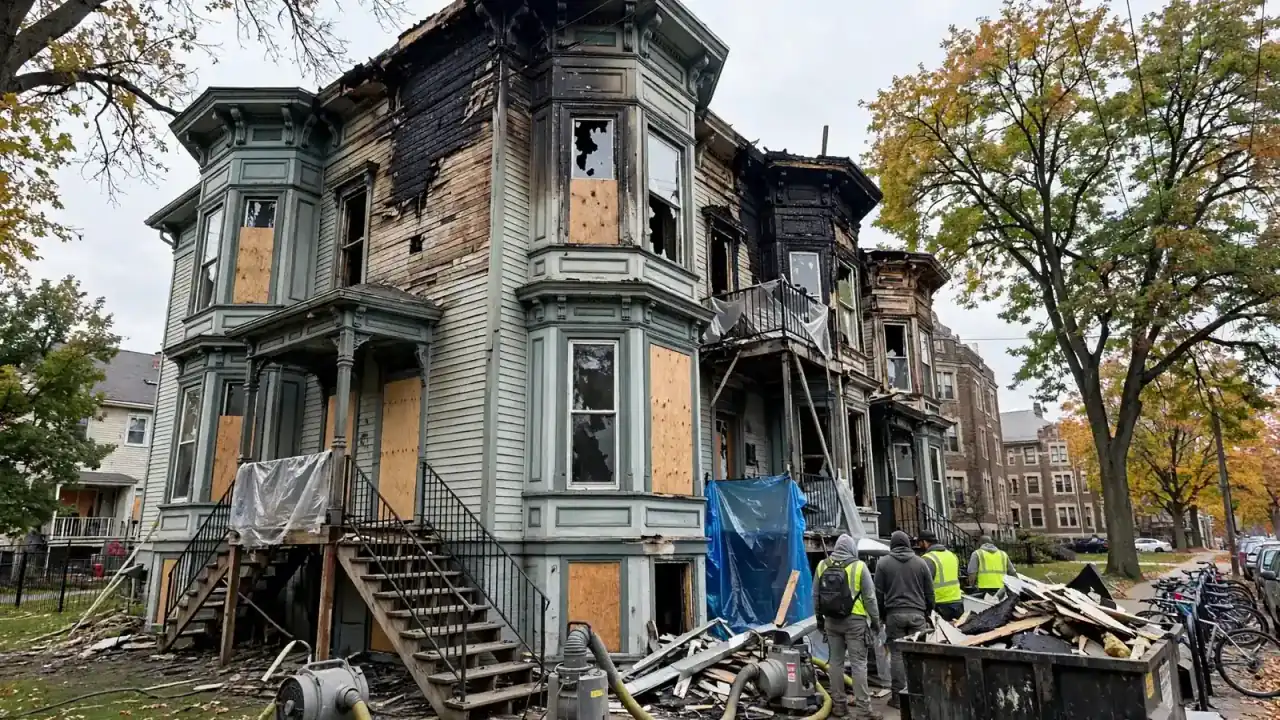
A fire in one Marcy-Holmes apartment rarely stays there. Smoke climbs the original stair, slips around added walls and settles in units that never saw a flame. An inspection of every unit and common area is the starting point [2].
The owner or manager usually arranges access to each unit. Tenants should know when their unit will be entered and what will happen to their belongings.
Victorian woodwork under the paint
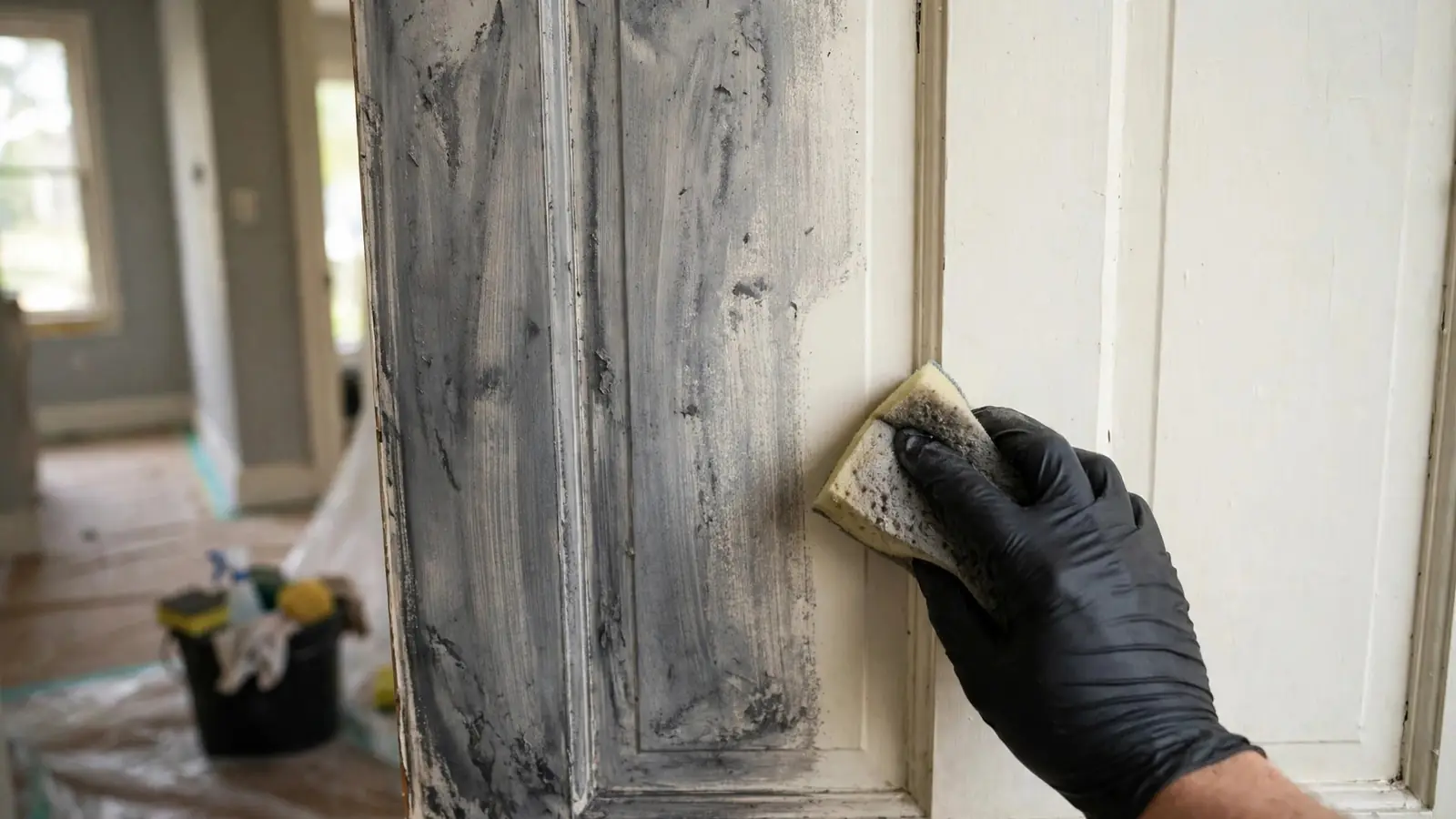
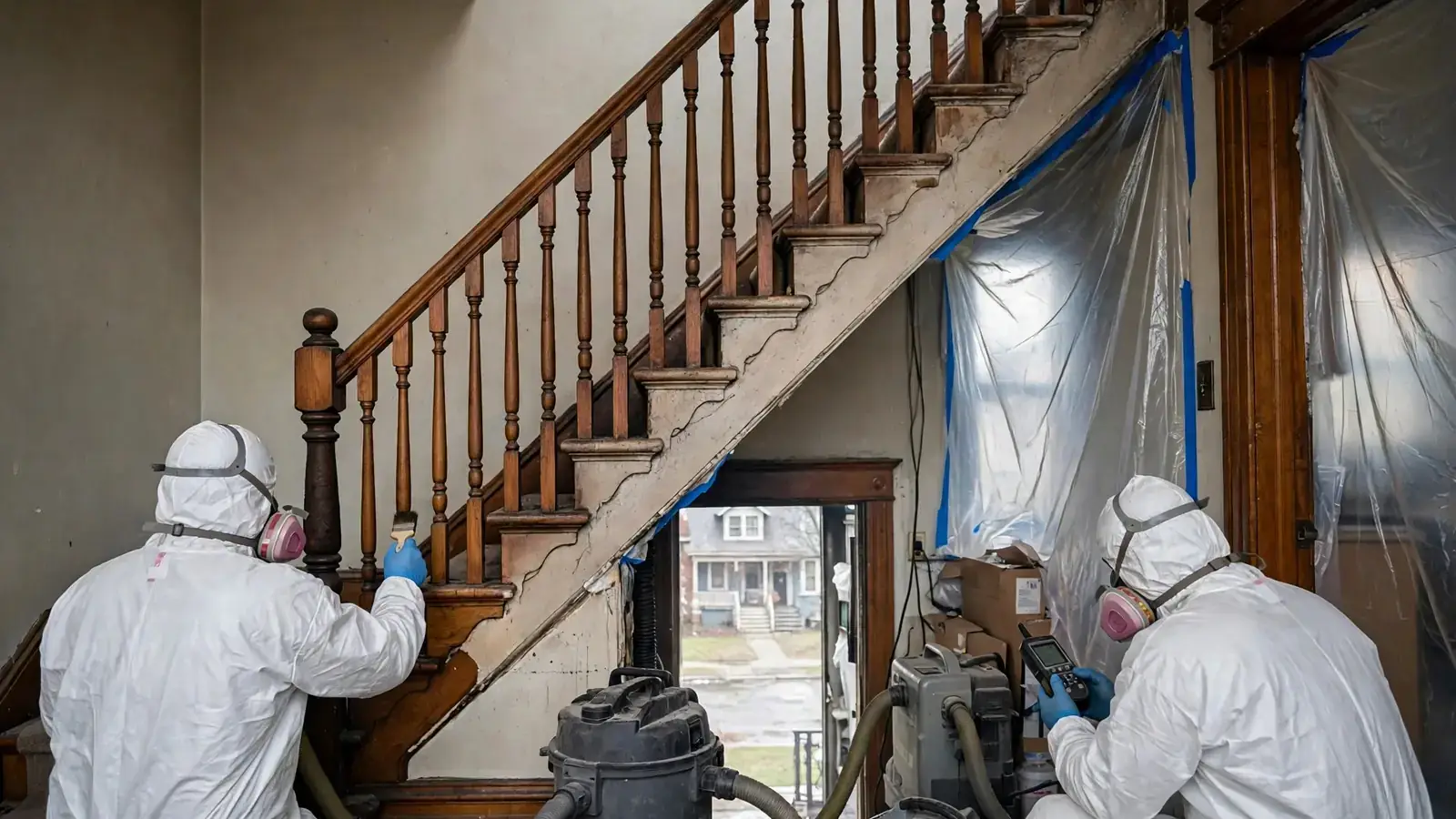
Older Marcy-Holmes houses still have carved stair rails, pocket doors, tall casings and decorative trim. Conversions often painted or boxed them in. Smoke residue on these surfaces is cleaned by hand.
Paint layers in houses this old very likely include lead [3]. Cleaning does not usually disturb it, but scraping, sanding or removing painted trim should follow lead-safe methods with containment.
Plaster walls and added partitions
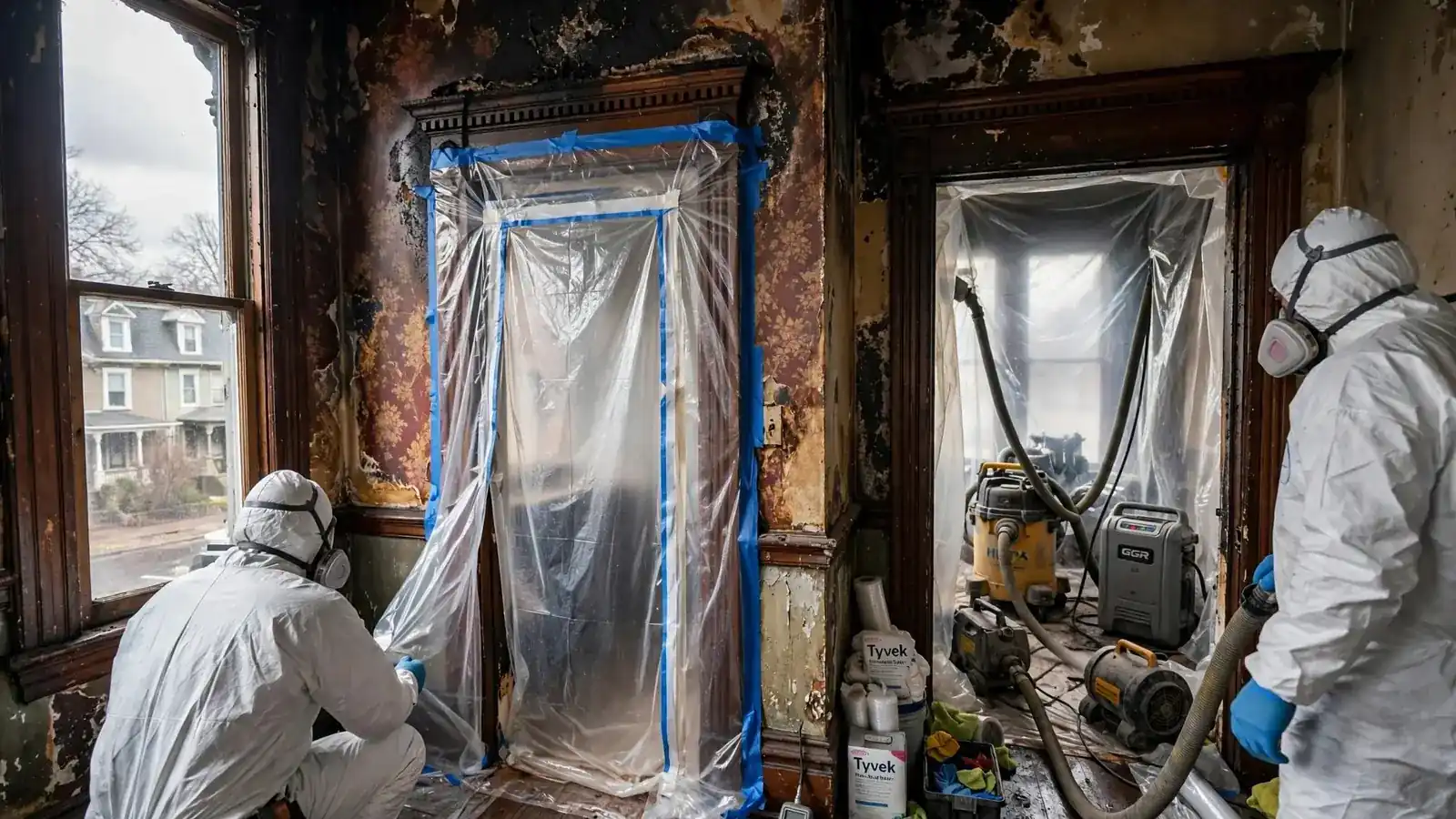
Original rooms usually have plaster. Walls added during conversions are often drywall. Plaster cleans well with dry sponges first. Drywall absorbs more and may need sealing or replacement near the fire.
Where new walls meet old ceilings, gaps often let smoke through. These joints are cleaned and sealed during repairs.
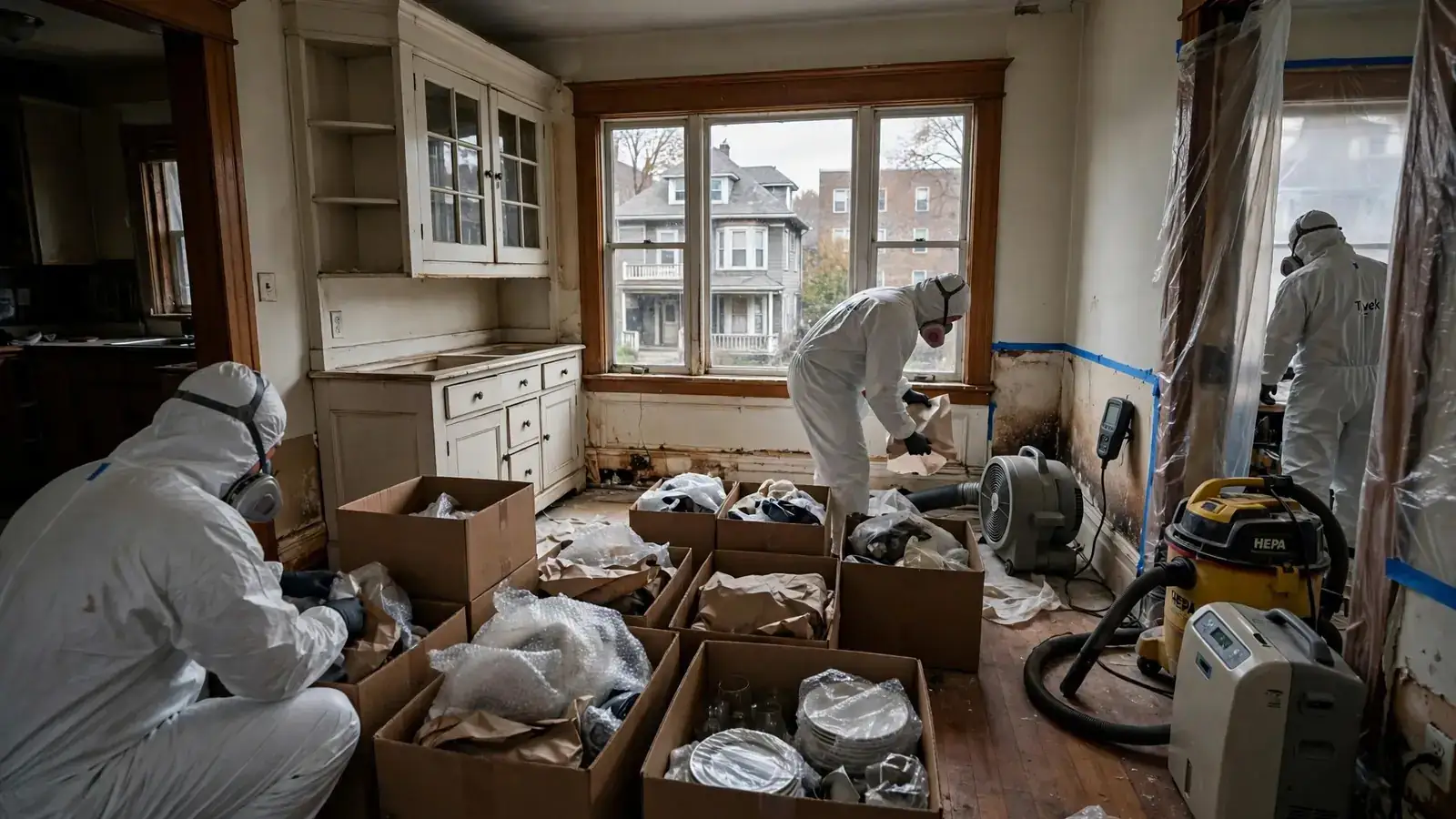
The order of a smoke cleanup in a Marcy-Holmes building
A common approach.
- 1
Inspect each unit and the common areas
Residue, surfaces and contents are recorded [2].
- 2
Coordinate access with the owner and tenants
Units are scheduled one at a time.
- 3
Clean from the top of the building down
Top units and the stair first, then lower floors.
- 4
Clean heating and run deodorizing
Radiators or ducts, then odor treatment.
Permits, rental licenses and reinspection
Repairs to structure, wiring, plumbing and heating in Minneapolis need city permits [6]. Rental properties also hold city rental licenses, and units may need inspection before tenants return.
The Minnesota Department of Labor and Industry licenses residential contractors, and its site lets owners check a company before hiring [7]. Keep permit and inspection papers with the claim file.
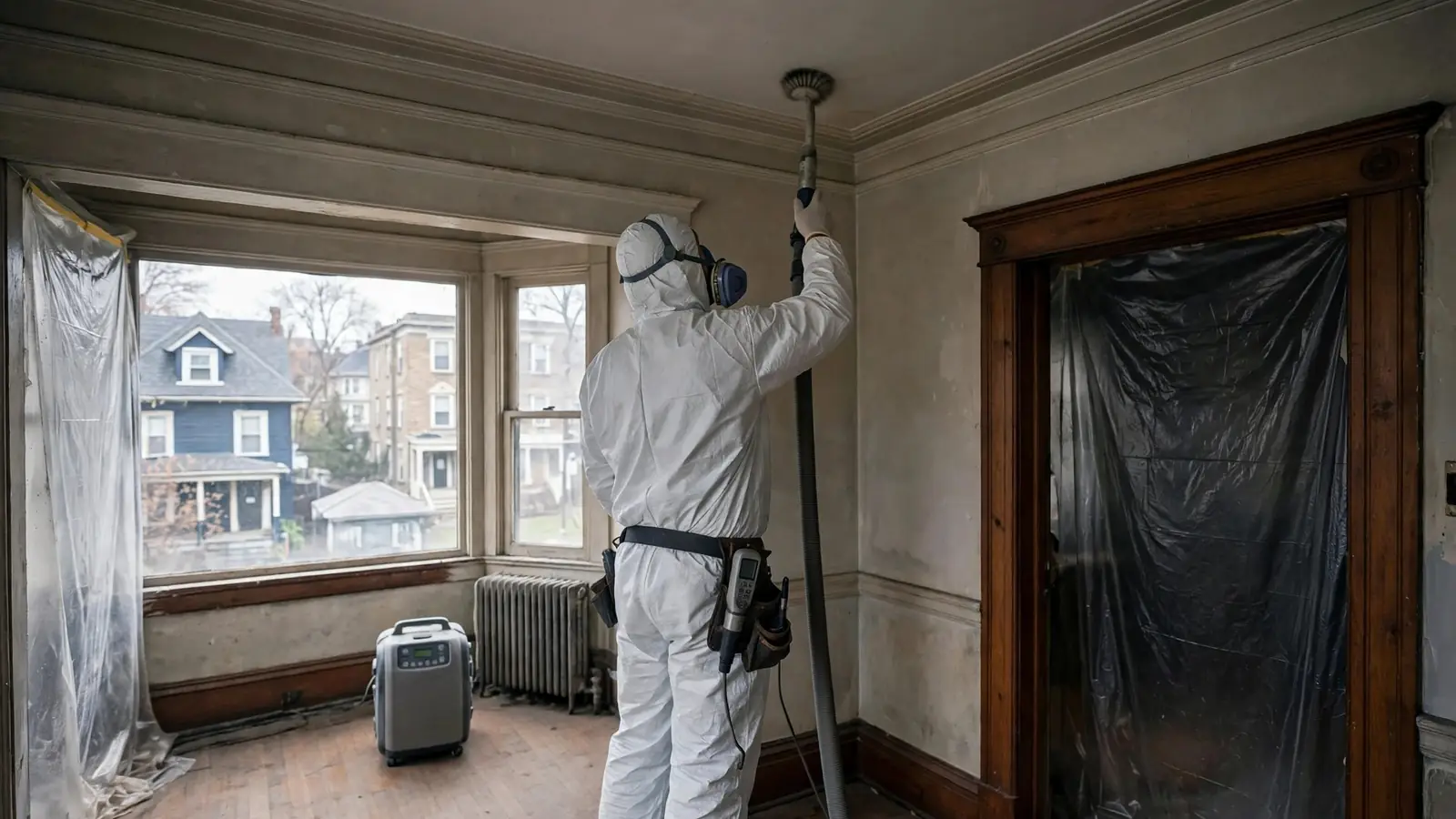
Kitchens in shared and student units
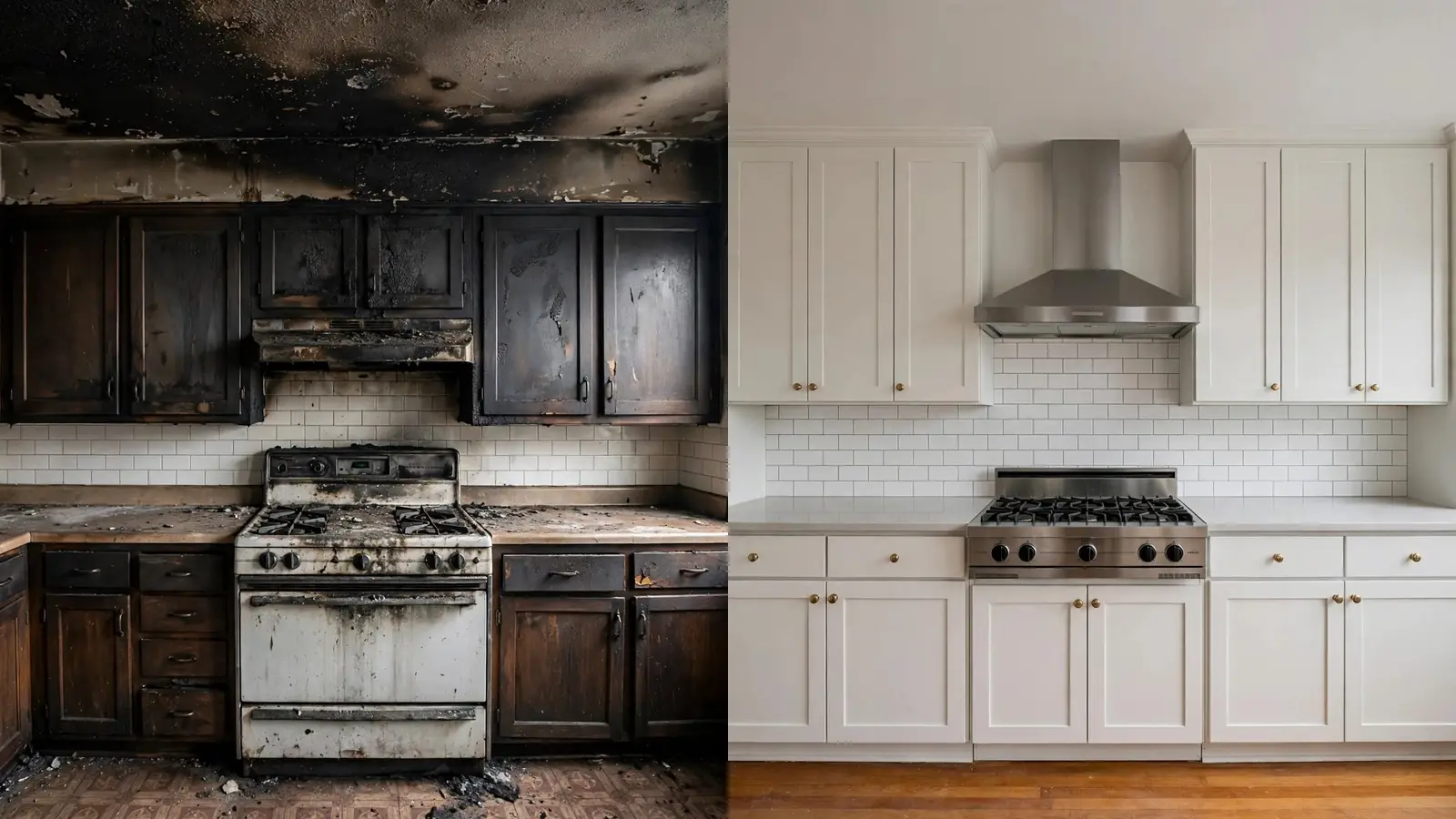
Cooking is the leading cause of home fires [8]. In a building with several kitchens, a fire in one sends sticky residue into the hall and nearby units. Range hoods in converted units may not vent outdoors.
Cabinets, ceilings and the hall outside the unit often need the heaviest cleaning. Appliances near the fire should be checked before anyone cooks again, and smoke alarms in every unit should be tested once cleanup is done.
Winter and the shared boiler
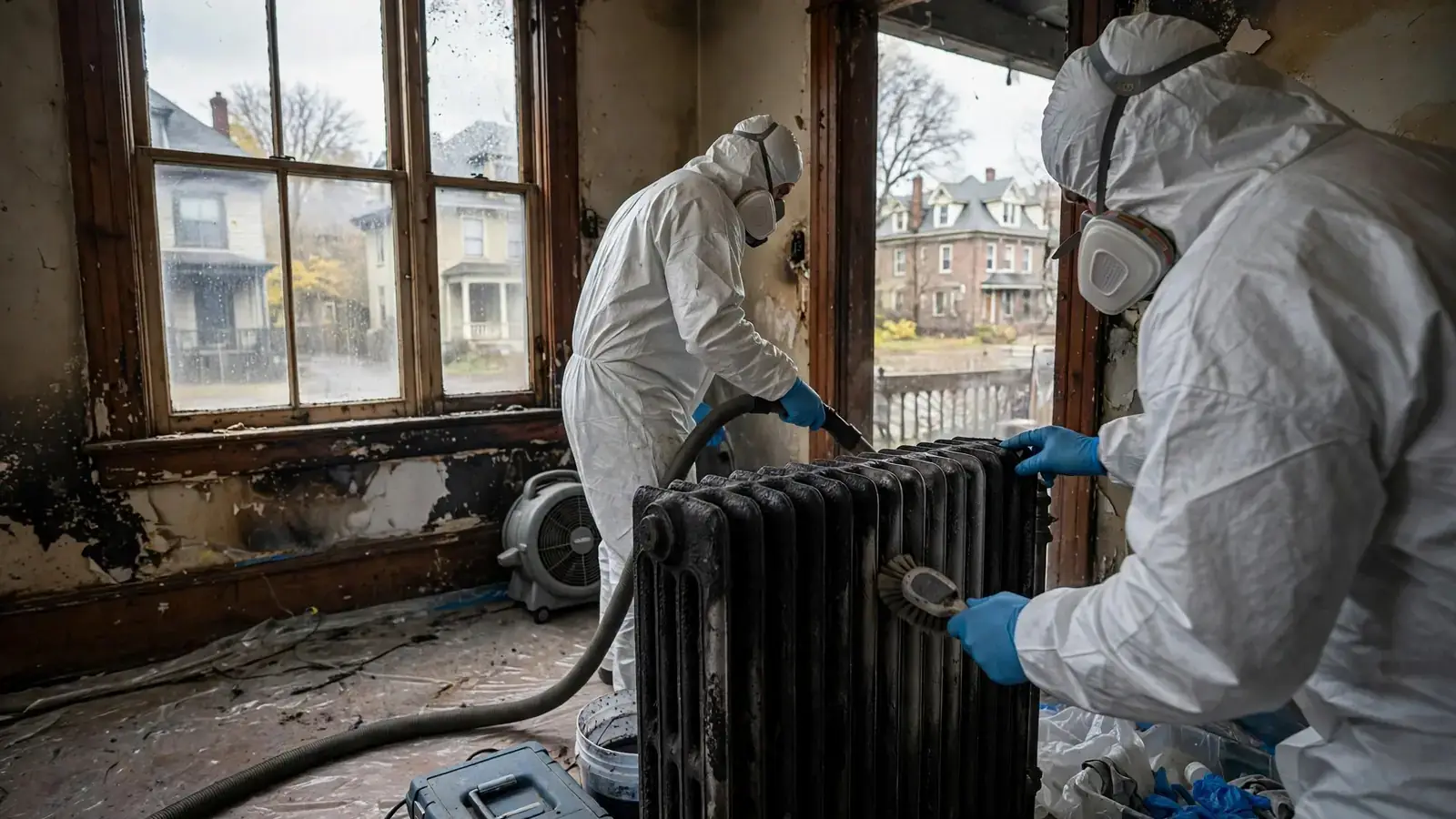
A damaged shared boiler can leave the whole building without heat. Pipes in every unit are at risk. Temporary heat or draining comes first [5].
Radiators collect residue and must be cleaned before the heat runs for long. Carbon monoxide alarms near sleeping rooms are required in Minnesota dwellings [10], and they matter most when a damaged boiler or temporary heater is running.
Features worth protecting during cleanup
Mention these on the call.
- Carved stair rails and newel postsHand cleaning keeps the finish.
- Pocket doorsTracks and faces both collect soot.
- Leaded and stained glassNeeds gentle cleaning.
- Original fireplaces and mantelsBrick, tile and wood each need their own care.
Common halls, entries and mail areas
The front entry, mail area and shared hall are the parts of a Marcy-Holmes building everyone passes through. Smoke residue there is tracked into every unit on shoes and clothing. Cleaning these spaces early, and keeping them clean while work goes on, stops soot from spreading back into units that have already been done.
Walk-off mats at each entry, covered stair treads and a set route for workers through the building help. Tenants still living in undamaged units should be told which routes to use and when the halls will be closed for cleaning.
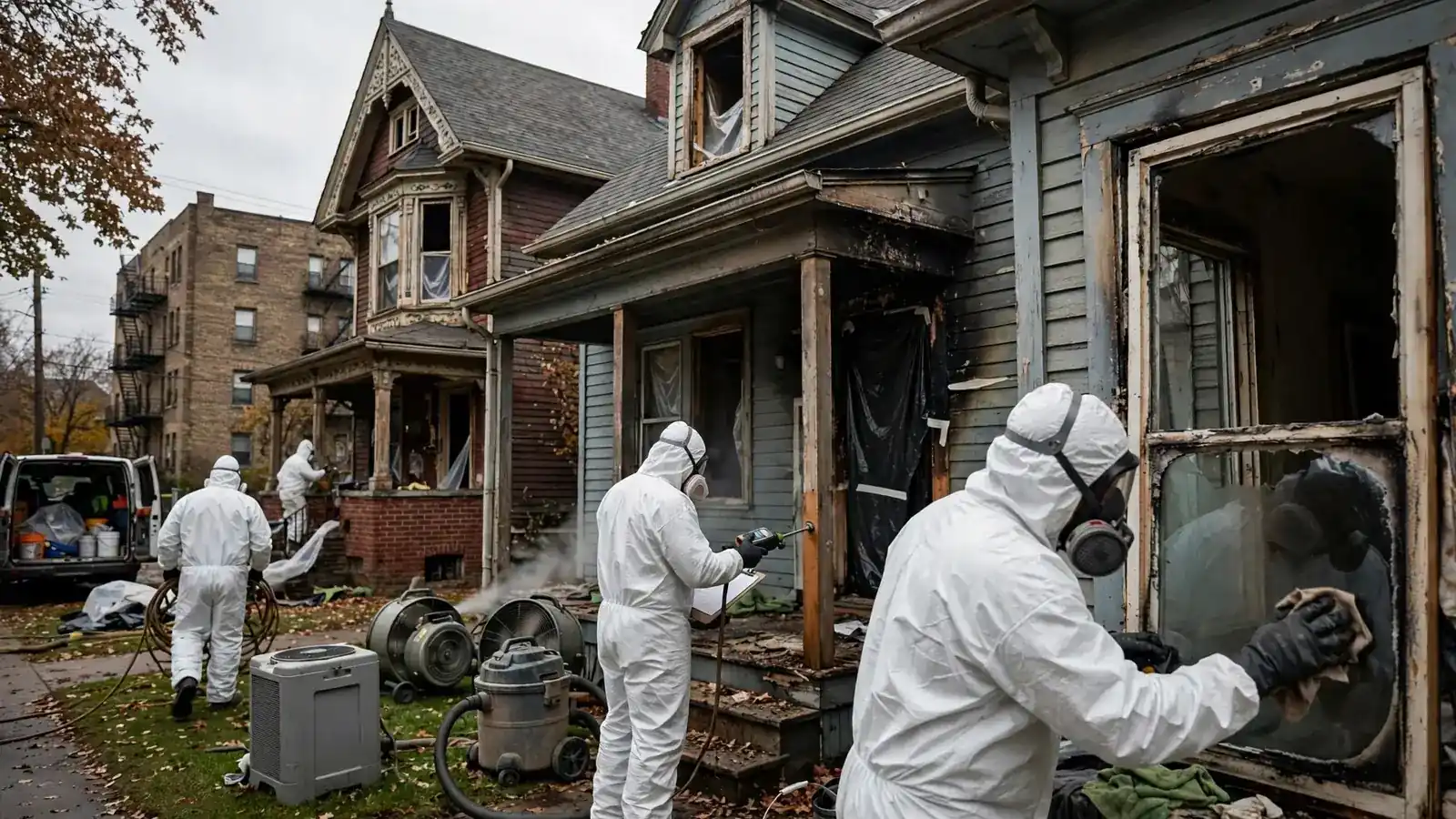
Tenants' contents
Each tenant's belongings are cleaned, packed out or listed separately. The contractor can label items by unit and keep a sheet for each apartment, so nothing gets mixed up between roommates or neighbors. Items that cannot be saved are photographed and listed before disposal. Tenants should photograph their things and contact their insurer.
The Minnesota Department of Commerce reminds homeowners they choose their contractor, and encourages good records [4]. See our guide on what to do after a house fire.
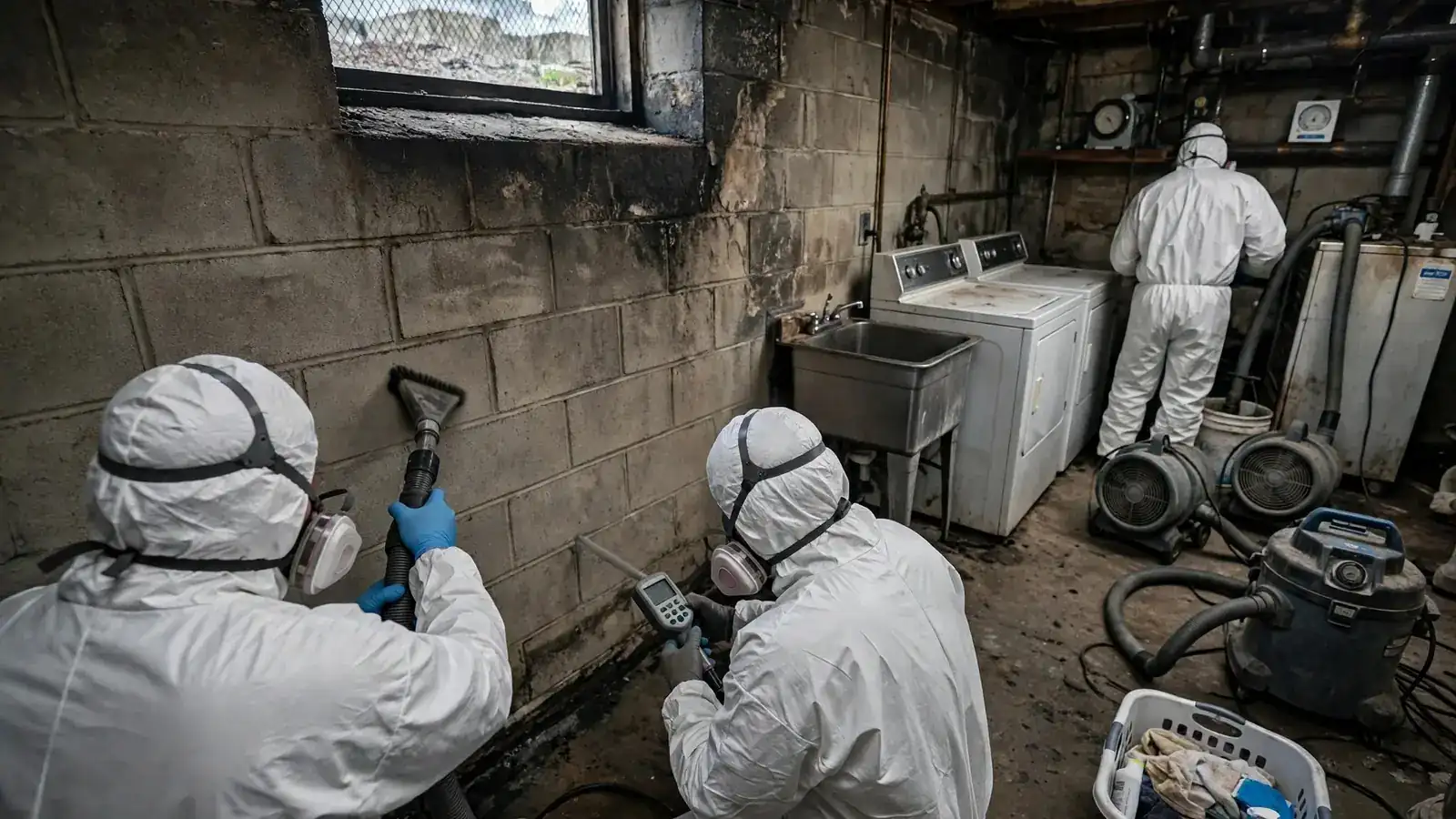
Historic exteriors and soot outside
Flames from a window can streak brick, stone or wood siding. In historic districts, exterior repairs may need review before work starts.
Cleaning exterior soot is usually allowed, but replacing materials may need approval. Ask the contractor to note any exterior items that may need review so it can run alongside interior work. For neighborhood context, see the Marcy-Holmes area page.
FAQ
Smoke Damage Cleanup in Marcy-Holmes: questions
Does every unit need cleaning after a fire in one apartment?
Usually every unit and common area should be inspected. Many need cleaning.
Do repairs in a Marcy-Holmes rental need permits?
Yes, for structural and system repairs. Units may also need inspection before tenants return.
Can original woodwork be saved?
Usually, with hand cleaning and lead-safe methods for any paint removal.
Sources and citations
- [1]U.S. Fire Administration: After a fire
- [2]IICRC: S700 Standard for Professional Fire and Smoke Damage Restoration
- [3]U.S. EPA: Protect your family from sources of lead
- [4]Minnesota Department of Commerce: Disaster Information Center
- [5]National Weather Service: Twin Cities forecast office
- [6]City of Minneapolis: Licenses, permits and inspections
- [7]Minnesota Department of Labor and Industry
- [8]NFPA: Home structure fires
- [9]Wikipedia: Marcy-Holmes, Minneapolis
- [10]Minnesota Statutes 299F.51: Carbon monoxide alarms